In the battle against cancer, chemotherapy stands as one of the most well-known and widely used treatment modalities. This powerful approach involves the use of potent drugs designed to target and eliminate cancerous cells, but how exactly does chemotherapy work? Understanding the mechanisms behind this therapy is crucial for patients, caregivers, and anyone interested in the intricacies of cancer treatment.As we delve into the world of chemotherapy, we will explore its fundamental principles, the various types of drugs employed, and how they interact with rapidly dividing cells. Each year, millions of individuals face a cancer diagnosis, and for many, chemotherapy is an essential part of their treatment journey. It can be daunting to navigate the complexities surrounding this therapy, yet knowledge is empowering. ? Understanding the mechanisms behind this therapy is crucial for patients, caregivers, and anyone interested in the intricacies of cancer treatment. As we delve into the world of chemotherapy, we will explore its fundamental principles, the various types of drugs employed, and how they interact with rapidly dividing cells. Each year, millions of individuals face a cancer diagnosis, and for many, chemotherapy is an essential part of their treatment journey. It can be daunting to navigate the complexities surrounding this therapy, yet knowledge is empowering.
By demystifying the process, we aim to provide clarity on what patients can expect during their treatment. In this article, we will guide you through the science behind chemotherapy, examining its role in disrupting cancer cell growth and its impact on healthy tissues. We will also discuss advancements in chemotherapy regimens and how they are tailored to individual patient needs. Whether you are a patient preparing for treatment or someone seeking to understand more about this critical aspect of cancer care, we invite you to join us as we uncover the fascinating mechanisms that make chemotherapy a cornerstone in the fight against cancer.
Chemotherapy
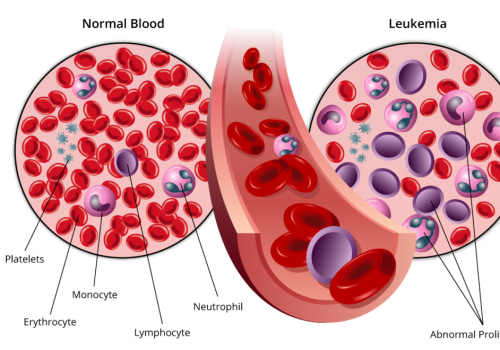
is a cornerstone in the treatment of cancer, designed primarily to target and destroy rapidly dividing cells. Cancer cells, which often proliferate at an alarming rate compared to normal cells, are particularly susceptible to the effects of chemotherapy.This treatment exploits the biological characteristics of cancer, aiming to inhibit their growth and spread within the body. While the concept of chemotherapy is not new, having been developed in the mid-20th century, its historical significance cannot be overstated. It marked a revolutionary shift in oncology, transforming what was once considered a fatal diagnosis into a manageable condition for many patients. Understanding how chemotherapy works is crucial for patients, caregivers, and healthcare professionals alike. The basic principle revolves around the use of various agents that can interfere with cell division.
These agents fall into several categories: alkylating agents, antimetabolites, and plant alkaloids, each with distinct mechanisms of action. For instance, alkylating agents work by directly damaging the DNA of cancer cells, preventing them from dividing successfully.
Antimetabolites
, on the other hand, mimic the building blocks of DNA and RNA, disrupting the synthesis of these crucial molecules and leading to cell death. Meanwhile, plant alkaloids, derived from plants like the periwinkle or the Pacific yew tree, target microtubules—structures essential for cell division—thereby halting the process altogether. Recent advancements in chemotherapy have further enhanced its efficacy and safety.One significant development is the rise of personalized medicine, which tailors treatment based on the individual genetic makeup of both the patient and their tumor. This approach has paved the way for more targeted therapies that can minimize side effects while maximizing effectiveness. Additionally, combination therapies—utilizing multiple agents or integrating chemotherapy with other modalities such as radiation or immunotherapy—have shown promise in improving outcomes for various cancer types. The landscape of chemotherapy continues to evolve, with numerous clinical trials underway that explore innovative protocols and combinations of agents. These trials are crucial in assessing new treatments’ effectiveness and potentially reshaping standard care practices. continues to evolve, with numerous clinical trials underway that explore innovative protocols and combinations of agents. These trials are crucial in assessing new treatments’ effectiveness and potentially reshaping standard care practices.
For instance, ongoing studies are investigating novel combinations that enhance response rates in difficult-to-treat cancers like pancreatic or metastatic melanoma. Statistics surrounding chemotherapy use highlight its impact on patient outcomes. For example, when applied to certain types of leukemia, chemotherapy has achieved cure rates exceeding 80%. Similarly, in testicular cancer cases, survival rates after treatment can reach 95%. However, it is important to acknowledge that while many patients benefit from chemotherapy, it also comes with a range of side effects—nausea, fatigue, hair loss, and increased susceptibility to infections are among the most common challenges faced. Real-life experiences underscore the complexity of chemotherapy.
Many patients share stories of resilience and hope, detailing their journeys through treatment. For instance, a breast cancer survivor might recount how she navigated debilitating fatigue during her regimen yet emerged with a renewed appreciation for life. Testimonials like these serve as powerful reminders of both the potential for recovery and the emotional toll that chemotherapy can exact on individuals and their families. The discussion surrounding chemotherapy is not without controversy. Some advocate for alternative treatments, questioning the effectiveness of traditional chemotherapy protocols and citing instances of adverse effects or limited success in certain cancers.
Critics argue for a more holistic approach to cancer treatment that includes lifestyle changes, nutrition, and alternative therapies. These differing opinions highlight an essential dialogue within oncology; however, it remains crucial for patients to have informed discussions with their healthcare providers about their treatment options. In conclusion, while chemotherapy has been instrumental in advancing cancer care since its inception, ongoing research and patient experiences will continue to shape its role in modern oncology.
Clinical Trials and What They Mean for Patients
Clinical trials play a crucial role in the development and evaluation of chemotherapy treatments. These studies help researchers understand the effectiveness of new drugs, combinations, or treatment approaches in fighting cancer. For patients, participation in clinical trials can provide access to cutting-edge therapies that are not yet widely available. Currently, there are numerous active clinical trials focusing on chemotherapy.Many of these trials aim to explore various aspects, including the efficacy of novel chemotherapy agents, the impact of personalized treatment plans, and the potential benefits of combining chemotherapy with other therapies such as immunotherapy or targeted therapy. Patients interested in participating in a clinical trial should first consult with their healthcare providers. Doctors can help determine if a specific trial is appropriate based on the patient’s cancer type, stage, and overall health. Additionally, resources such as clinicaltrials.gov provide comprehensive listings of ongoing trials, including eligibility criteria and contact information for participating centers. Involvement in a clinical trial not only helps patients gain access to innovative treatments but also contributes to the broader understanding of chemotherapy and its effectiveness in various contexts. By participating, patients can play an active role in the advancement of cancer care and potentially benefit from new therapies that might improve their outcomes.
The Science Behind Chemotherapy
Chemotherapy is a cornerstone of cancer treatment, relying on powerful agents that target rapidly dividing cells.The biological basis of chemotherapy lies in its ability to disrupt the cell cycle of cancer cells, which tend to proliferate at an abnormal rate compared to normal cells. By understanding how chemotherapy works, we can appreciate its role in modern oncology and the challenges it presents. Cancer cells often evade the body's regulatory mechanisms that control cell growth and division. This unchecked proliferation is what makes them particularly vulnerable to chemotherapy. Most chemotherapeutic agents are designed to target specific phases of the cell cycle.
For instance, some drugs inhibit DNA synthesis during the S phase, while others interfere with mitosis during the M phase. One of the key aspects of chemotherapy is its selectivity. Although chemotherapy primarily targets cancer cells, it can also affect normal, healthy cells that divide rapidly, such as those in the bone marrow, gastrointestinal tract, and hair follicles. This explains some of the common side effects associated with chemotherapy, including nausea, hair loss, and increased susceptibility to infections. The effectiveness of chemotherapy can vary based on several factors, including the type of cancer, its genetic makeup, and how well the cancer cells respond to the drugs. Advances in personalized medicine are helping oncologists tailor chemotherapy regimens that maximize efficacy while minimizing harm to normal tissues. Moreover, ongoing research continues to explore combination therapies that integrate chemotherapy with other treatment modalities, such as targeted therapy and immunotherapy, aiming to enhance outcomes for patients.
Understanding the science behind chemotherapy not only empowers patients and caregivers but also informs healthcare professionals in making informed treatment decisions.
Statistics and Success Rates
Understanding the effectiveness of chemotherapy is essential for patients, caregivers, and healthcare professionals alike.Chemotherapy
has been a cornerstone in the treatment of various cancers, and its success rates can vary significantly depending on several factors, including cancer type, stage, and individual patient characteristics. According to the American Cancer Society, the overall five-year survival rate for all cancers combined has increased over the past few decades, with chemotherapy playing a vital role in this improvement. For example, the five-year survival rate for patients with testicular cancer, which is highly responsive to chemotherapy, exceeds 95% when treated appropriately. Similarly, early-stage breast cancer patients often have a five-year survival rate of around 90%, largely due to effective chemotherapy regimens. However, not all cancers respond equally to chemotherapy.For instance, pancreatic cancer has a much lower five-year survival rate of approximately 10%, reflecting its aggressive nature and late-stage diagnosis in many cases. In contrast, cancers like Hodgkin lymphoma have a reported five-year survival rate of around 87%, showcasing the advancements in chemotherapy treatments over the years. The effectiveness of chemotherapy also varies based on whether it is used as a primary treatment or in conjunction with other therapies. In many cases, such as with lung cancer, chemotherapy is often administered alongside radiation therapy or surgical interventions to enhance overall outcomes. Overall, while chemotherapy remains a critical component of cancer treatment, it is essential for patients to discuss their specific circumstances with their healthcare providers to understand the expected outcomes and potential success rates associated with their particular type of cancer.
Recent Advancements in Chemotherapy
In recent years, significant progress has been made in the field of chemotherapy, leading to improved outcomes for patients battling cancer. Researchers have focused on developing more effective and less toxic treatments, which has reshaped the landscape of oncology. One of the most notable advancements is the emergence of targeted therapies.Unlike traditional chemotherapy, which indiscriminately attacks rapidly dividing cells, targeted therapies are designed to specifically target cancer cells based on their unique genetic and molecular characteristics. This precision helps to minimize damage to healthy cells, reducing side effects and improving patient quality of life. Another area of innovation is the development of immunotherapy, which harnesses the body’s immune system to fight cancer. Combining immunotherapy with chemotherapy has shown promising results in treating various types of cancer, enhancing the effectiveness of treatment by boosting the immune response against tumors. Moreover, ongoing clinical trials are exploring new combinations of existing chemotherapeutic agents, aiming to enhance their efficacy while reducing toxicity. For instance, research into combination therapies that integrate chemotherapy with novel agents like PARP inhibitors or checkpoint inhibitors is revealing exciting possibilities for improved patient outcomes. The role of nanotechnology in chemotherapy also cannot be overlooked.
Innovative drug delivery systems utilizing nanoparticles can increase the concentration of chemotherapeutic agents at the tumor site while minimizing exposure to healthy tissues. This targeted delivery not only enhances the effectiveness of the drugs but also reduces side effects associated with systemic administration. Finally, advancements in personalized medicine are paving the way for tailored chemotherapy regimens that take into account an individual’s genetic makeup and tumor profile. By understanding how specific tumors respond to different chemotherapeutic agents, healthcare providers can devise more effective treatment plans that are unique to each patient. In summary, recent advancements in chemotherapy highlight a shift towards more targeted, effective, and personalized approaches in cancer treatment. These innovations not only aim to improve survival rates but also focus on enhancing the overall well-being of patients undergoing treatment.
Patient Experiences and Support Resources
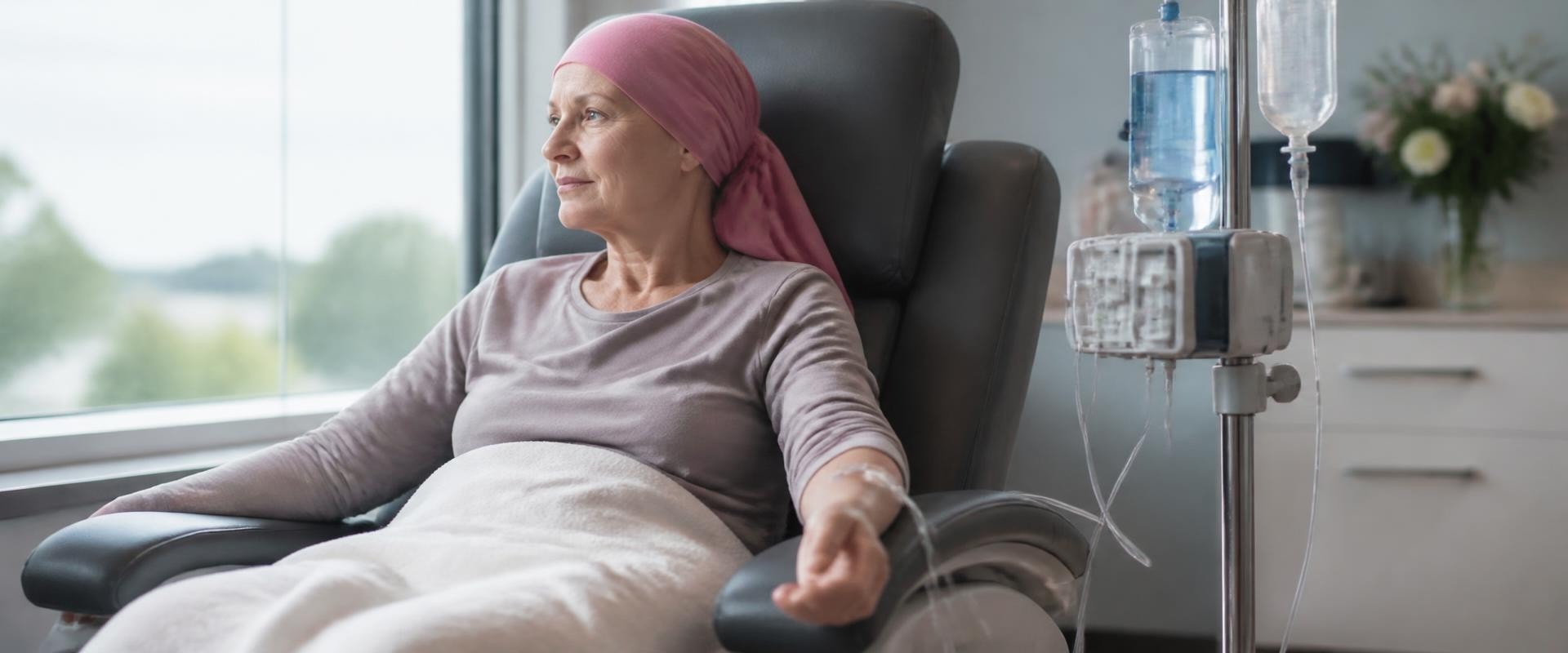
Undergoing chemotherapy can be a daunting experience for many patients, but sharing testimonials from those who have walked this path can provide hope and insight.Many patients report a range of emotions and physical responses during treatment, emphasizing that while chemotherapy can be challenging, it is also a vital part of their cancer journey. For instance, one patient shared, "I was terrified before starting chemotherapy, but the support from my medical team made all the difference. They explained every step, and I felt empowered to face the treatment head-on." Such testimonials highlight the importance of communication between patients and healthcare providers. Another patient remarked, "The side effects were tough, but I found solace in connecting with others who were going through similar experiences. It helped me realize I was not alone in this fight." This illustrates how peer support can play a critical role in coping with the emotional and physical challenges of chemotherapy.In addition to personal stories, there are numerous support resources available for patients undergoing chemotherapy. Organizations such as the American Cancer Society offer a variety of services, including counseling, support groups, and educational materials.
These resources aim to help patients navigate their treatment journey more effectively. Online platforms also serve as valuable tools for connection and information. Websites like Cancer Support Community and CancerCare provide forums where patients can share their experiences and seek advice from others who understand their struggles. Moreover, many hospitals have dedicated oncology social workers who can assist patients in accessing local support groups and resources tailored to their needs. This holistic approach ensures that individuals receive not just medical care but also emotional and psychological support throughout their chemotherapy journey. In summary, while chemotherapy presents its challenges, the shared experiences of patients and the availability of robust support resources play crucial roles in enhancing resilience and fostering a sense of community among those affected by cancer.
Types of Chemotherapy Agents
Chemotherapy agents can be classified into several categories, each with distinct mechanisms of action and therapeutic applications. Understanding these classifications is crucial for both patients and healthcare professionals in order to tailor treatment strategies effectively. The primary categories of chemotherapy agents include alkylating agents, antimetabolites, anthracyclines, plant alkaloids, and topoisomerase inhibitors.Each class functions differently in targeting cancer cells.
Alkylating agents
work by damaging the DNA of cancer cells, which inhibits their ability to divide and grow. Common examples include cyclophosphamide and cisplatin. These drugs are often used in various cancer types due to their broad spectrum of activity.Antimetabolites
, such as methotrexate and 5-fluorouracil, interfere with DNA and RNA synthesis by mimicking the building blocks of these molecules. This disruption halts cell division, making them effective against rapidly dividing cancer cells.Anthracyclines
, including doxorubicin, are a class of drugs that inhibit DNA replication by intercalating between DNA bases.They also generate free radicals that damage cellular components, ultimately leading to cell death.
Plant alkaloids
, such as vincristine and paclitaxel, disrupt the mitotic spindle during cell division, preventing cancer cells from successfully completing mitosis. This makes them particularly effective in treating hematologic malignancies and solid tumors.Topoisomerase inhibitors
, like irinotecan and etoposide, interfere with the enzymes that manage DNA structure, resulting in DNA breaks that trigger apoptosis (programmed cell death). These agents are often used in combination therapies to enhance efficacy. Each class of chemotherapy agent has its own side effect profile and indications, making it essential for healthcare professionals to consider these factors when developing treatment plans. The ongoing research into chemotherapy agents continues to evolve, leading to more targeted approaches that aim to reduce side effects while maximizing therapeutic benefits. In conclusion, this article has explored the essential mechanisms of chemotherapy, shedding light on its historical significance and its pivotal role in modern oncology.We discussed the various types of chemotherapy agents, recent advancements in treatment, and the importance of clinical trials in providing patients with hope for better outcomes. Statistics on success rates and patient experiences highlighted the diverse journeys individuals face while undergoing treatment. Understanding how chemotherapy works is vital not only for patients but also for caregivers and healthcare professionals, as it empowers them to make informed decisions throughout the cancer journey. We encourage readers to stay informed about ongoing research and advancements in chemotherapy, as well as to seek support resources available to them during this challenging time.