
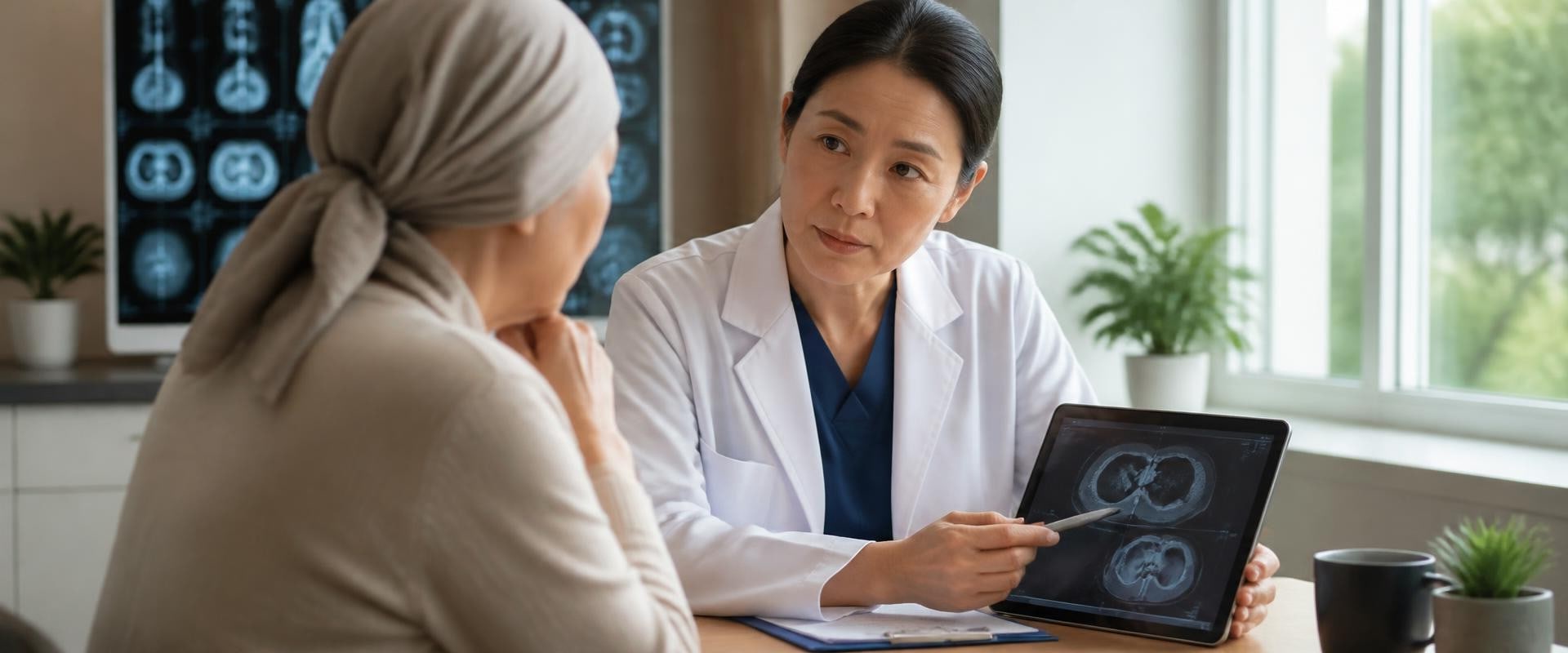
Understanding the Factors Influencing Cancer PrognosisUnderstanding the Factors Influencing Cancer Prognosis is a critical journey into the intricate world of cancer survival statistics. As we delve deeper into the nuances of prognosis, we uncover the multifaceted elements that play a pivotal role in determining patient outcomes. Cancer is not a singular disease; it encompasses various types and stages, each presenting unique challenges and survival statistics. The prognosis for individuals diagnosed with cancer can vary widely, influenced by a myriad of factors including but not limited to the type of cancer, its stage at diagnosis, and individual patient characteristics such as age and overall health.
By exploring these factors affecting prognosis, we aim to shed light on how they interact to shape the journey of those affected by this disease. In this article, we will navigate through the complex landscape of cancer prognosis, highlighting essential data and insights that can empower patients, families, and healthcare providers. Understanding these variables not only fosters hope but also enables informed decision-making in treatment plans and lifestyle choices. Join us as we unravel the essential elements that contribute to cancer outcomes and discover how knowledge can lead to better prognostic awareness. Understanding the multifaceted nature of cancer prognosis is essential for patients, caregivers, and healthcare professionals alike. Prognosis refers to the likely course and outcome of a disease, and in the context of cancer, it plays a pivotal role in shaping treatment decisions and setting realistic expectations.
It is vital to recognize that prognosis is not determined by a single factor; rather, it is influenced by a combination of various elements, each contributing to the overall picture of a patient’s outlook. Firstly, the type of cancer significantly impacts survival rates and prognostic factors. Different cancers exhibit varying biological behaviors and responses to treatment. For instance, while some cancers, like pancreatic cancer, are notoriously aggressive with lower survival rates, others, such as prostate cancer, may have much more favorable outcomes if detected early. This diversity underscores the importance of understanding the specific characteristics of each cancer type when discussing prognosis. The stage at diagnosis is another critical factor influencing prognosis.
Early detection of cancer typically leads to better outcomes, as treatments are more likely to be effective when the disease is localized and has not spread to other areas of the body. For example, patients diagnosed with stage I breast cancer often have significantly higher survival rates compared to those diagnosed at stage IV. Thus, screening programs and awareness campaigns aimed at early detection can have a profound impact on overall survival statistics. Patient demographics also play a crucial role in determining prognosis. Factors such as age, gender, and overall health can influence how well a patient responds to treatment and their likelihood of survival.
Generally, younger patients tend to have better prognoses due to their stronger immune systems and greater physiological resilience. Additionally, certain cancers may present differently or behave more aggressively based on gender; for instance, some studies indicate that men may have worse outcomes than women for specific types of cancer.
Tumor characteristics
, including molecular and genetic features, also affect treatment responses and outcomes. Advances in genomic medicine have revealed that tumors can harbor specific mutations that may render them more or less susceptible to certain therapies. For instance, breast cancers with HER2-positive status often respond well to targeted therapies like trastuzumab, significantly improving prognosis for affected patients.Understanding these tumor characteristics allows for more personalized treatment approaches that can enhance survival rates. In recent years, there have been significant advancements in cancer treatments that directly impact survival rates. Innovations in immunotherapy, targeted therapy, and combination treatments have transformed the landscape of oncology. These advancements not only improve the effectiveness of treatments but also contribute to better overall prognostic outcomes for many patients. For example, checkpoint inhibitors have shown remarkable results in treating melanoma, leading to long-term remission in cases previously deemed untreatable. Moreover, ongoing clinical trials are crucial for exploring new treatment options that may further improve prognostic outcomes. Understanding these tumor characteristics allows for more personalized treatment approaches that can enhance survival rates. In recent years, there have been significant advancements in cancer treatments that directly impact survival rates. Innovations in immunotherapy, targeted therapy, and combination treatments have transformed the landscape of oncology. These advancements not only improve the effectiveness of treatments but also contribute to better overall prognostic outcomes for many patients. For example, checkpoint inhibitors have shown remarkable results in treating melanoma, leading to long-term remission in cases previously deemed untreatable. Moreover, ongoing clinical trials are crucial for exploring new treatment options that may further improve prognostic outcomes.
These trials investigate novel therapies and combinations, aiming to enhance survival rates across various cancer types. For instance, current trials are assessing the efficacy of new immunotherapeutic agents in lung cancer patients who have exhausted standard treatment options. Participation in clinical trials offers patients access to cutting-edge therapies that might otherwise be unavailable. The role of support systems cannot be underestimated when discussing factors affecting prognosis. Social support from family and friends can significantly influence a patient’s mental health and overall well-being during their cancer journey.
Studies suggest that patients with robust support systems often experience better psychological outcomes and may even see improved physical health as a result. Furthermore, mental health plays a critical role; anxiety and depression can adversely affect treatment adherence and recovery. Therefore, addressing mental health needs alongside medical treatment is essential for optimizing patient prognosis. However, it is important to acknowledge potential disagreements regarding the interpretation of statistics and outcomes in cancer prognosis. Variability in study designs, patient populations, and methodologies can lead to differing conclusions about what constitutes a favorable or unfavorable prognosis for specific cancers or treatments.
Therefore, healthcare professionals must approach prognostic information with nuance and communicate these complexities effectively to patients. In conclusion, understanding the myriad factors affecting cancer prognosis is fundamental for informed decision-making in cancer care. By recognizing the interplay between various elements—such as cancer type, stage at diagnosis, patient demographics, tumor characteristics, treatment advancements, ongoing clinical trials, and support systems—patients and caregivers can better navigate the challenges posed by this complex disease. Therefore, healthcare professionals must approach prognostic information with nuance and communicate these complexities effectively to patients. In conclusion, understanding the myriad factors affecting cancer prognosis is fundamental for informed decision-making in cancer care. By recognizing the interplay between various elements—such as cancer type, stage at diagnosis, patient demographics, tumor characteristics, treatment advancements, ongoing clinical trials, and support systems—patients and caregivers can better navigate the challenges posed by this complex disease.
The Importance of Clinical Trials
Clinical trials play a pivotal role in shaping the future of cancer prognosis. They not only test new treatments but also provide valuable data that can influence how we understand disease progression and patient outcomes.Ongoing clinical trials
are critical for identifying new prognostic factors that may improve the accuracy of predictions about survival rates and treatment responses. For instance, many current trials are exploring genetic markers and biomarkers that could refine prognosis for various cancer types.These studies aim to uncover insights into how individual tumors behave, which can lead to more personalized treatment approaches. The results from these trials could revolutionize prognostic assessments, allowing healthcare professionals to tailor interventions based on unique patient profiles. Moreover, participation in clinical trials can offer patients access to cutting-edge therapies before they become widely available, potentially improving their prognosis. Understanding the factors affecting prognosis in the context of ongoing research empowers patients and caregivers to make informed decisions about their treatment options. As we continue to gather data from these trials, we can expect a shift in the prognostic landscape, ultimately leading to enhanced survival rates and improved quality of life for cancer patients.
Demographics Matter
Age plays a crucial role in determining cancer prognosis. Younger patients often have better outcomes compared to older individuals.This disparity can be attributed to several factors, including the overall health and biological resilience of younger patients, as well as potential differences in tumor biology and aggressiveness. For instance, a study has shown that patients diagnosed with breast cancer under the age of 40 tend to respond more favorably to treatment than those diagnosed later in life. Another significant demographic factor is gender. Certain cancers exhibit marked differences in prognosis based on gender. For example, prostate cancer is predominantly found in men and has varying outcomes depending on factors such as stage at diagnosis and age.
Conversely, women diagnosed with ovarian cancer often face poorer prognoses compared to men with similar stages of disease, highlighting the importance of gender-specific approaches in treatment.
Health status
is another critical component influencing prognosis. Patients with pre-existing health conditions, such as diabetes or heart disease, may experience poorer outcomes due to their compromised health systems. Additionally, a patient's performance status—an assessment of their general well-being and ability to carry out daily activities—can significantly impact treatment decisions and overall prognosis. For instance, a patient who maintains a good performance status may be more likely to tolerate aggressive treatments, leading to improved survival rates.Understanding Tumor Characteristics
Understanding tumor characteristics is crucial in assessing the prognosis of cancer patients.Tumors are not uniform; they can vary significantly in their genetic makeup, which influences how they behave and respond to treatment. Genetic features, such as mutations in specific genes, can determine the aggressiveness of a tumor and its likelihood of spreading to other parts of the body. For instance, tumors with mutations in the TP53 gene often exhibit a more aggressive phenotype, leading to poorer prognosis compared to tumors without such mutations. Additionally, the presence of certain biomarkers can indicate how well a patient might respond to specific therapies. For example, tumors that are HER2-positive may respond well to targeted therapies like trastuzumab, improving overall survival rates.
Tumor biology
also plays a significant role in treatment efficacy.The tumor microenvironment, including factors like blood vessel formation and immune cell infiltration, can influence how a tumor grows and its response to treatments such as chemotherapy or immunotherapy. Understanding these characteristics allows healthcare professionals to tailor treatment plans more effectively, aligning them with the unique biological profile of each patient's cancer. Ultimately, insights into tumor characteristics empower patients and their care teams to make informed decisions about treatment options, leading to better outcomes and improved quality of life.
Impact of Early Diagnosis
The impact of early diagnosis on cancer prognosis cannot be overstated. When cancer is detected at an earlier stage, patients often have a wider array of treatment options available, which can significantly improve their chances of survival. For instance, localized cancers, which are confined to the organ of origin, generally have higher survival rates compared to cancers that have metastasized or spread to other parts of the body. Early-stage detection allows for less aggressive treatments that can preserve quality of life while effectively managing the disease.In many cases, early-stage cancers may be treated successfully with surgery alone, potentially leading to a complete remission. Conversely, late-stage cancers often require more complex interventions such as chemotherapy or radiation therapy, which come with increased side effects and lower overall survival rates. Research indicates that patients diagnosed with stage I cancer have a 5-year survival rate that can exceed 90%, while those diagnosed at stage IV may see survival rates drop dramatically to below 20%. This stark contrast highlights the critical importance of early detection in improving outcomes. Moreover, early diagnosis not only enhances treatment effectiveness but also empowers patients and their families by providing them with more time to make informed decisions regarding their care. The earlier a diagnosis is made, the more proactive patients can be in seeking support and planning for their treatment journey. In conclusion, the significance of stage at diagnosis is a crucial factor affecting prognosis.
The benefits of early diagnosis extend beyond clinical outcomes; they also play a vital role in patient empowerment and decision-making. Therefore, increasing awareness and access to screening programs is essential in the fight against cancer.
The Role of Support Systems
Support systems play a crucial role in the lives of cancer patients, influencing both their emotional well-being and their overall prognosis. The journey through cancer treatment can be fraught with challenges, and having a strong network of emotional and social support can significantly impact a patient's resilience. Studies have shown that patients with robust support systems tend to experience lower levels of stress and anxiety, which can lead to better health outcomes. When patients feel supported by family, friends, and healthcare professionals, they are more likely to adhere to treatment plans and maintain a positive outlook on their recovery. Moreover, emotional support helps patients cope with the psychological toll of cancer diagnosis and treatment.For instance, engaging in support groups or therapy can provide a safe space for patients to express their fears and concerns, fostering a sense of community and understanding. This connection can enhance their emotional resilience, enabling them to face the challenges of their illness with greater strength. Social support also extends beyond emotional comfort; it can manifest in practical ways such as assistance with daily tasks or transportation to medical appointments. These acts of kindness not only alleviate logistical burdens but also reinforce the patient's sense of being cared for and valued. Ultimately, the presence of strong support systems is associated with improved prognosis in cancer patients. By fostering an environment where patients feel loved and supported, caregivers and family members can contribute positively to their loved one's journey through cancer, enhancing both psychological well-being and survival outcomes.
Advancements in Treatment
In recent years, significant advancements in treatment have revolutionized the landscape of cancer care, greatly affecting patient outcomes and overall prognosis.Innovations in therapies such as immunotherapy, targeted therapy, and personalized medicine have provided new hope for patients facing a cancer diagnosis.
Immunotherapy
, for instance, harnesses the body’s immune system to fight cancer cells. Treatments like checkpoint inhibitors have shown remarkable success in certain types of cancers, including melanoma and lung cancer. These therapies can lead to durable responses and, in some cases, complete remission. Studies indicate that patients receiving immunotherapy may experience longer survival rates compared to those on traditional therapies. Another pivotal advancement is targeted therapy, which focuses on specific molecular targets associated with cancer.By identifying genetic mutations within tumors, healthcare professionals can prescribe drugs that precisely attack cancer cells while sparing healthy tissue. This approach not only enhances treatment efficacy but also reduces side effects, improving the quality of life for patients. Moreover, the rise of personalized medicine allows for treatment plans tailored to individual patient profiles. Genomic testing enables oncologists to understand the unique characteristics of a patient’s cancer, facilitating more informed decisions regarding treatment options. As a result, many patients benefit from therapies that are more likely to be effective based on their specific cancer type and genetic makeup. These innovations in cancer therapies not only improve survival rates but also empower patients by providing more options and fostering shared decision-making between patients and healthcare providers.
As research continues to advance, the future holds promise for even greater improvements in prognosis and outcomes for cancer patients.
The Role of Cancer Type in Prognosis
When discussing prognosis in the context of cancer, it is crucial to understand that not all cancers are created equal. Each type of cancer presents its own unique set of survival rates and prognostic factors, which can significantly influence a patient's outlook and treatment options. For instance, breast cancer and lung cancer exhibit markedly different survival statistics, largely due to variations in tumor biology, stage at diagnosis, and response to therapy.Breast cancer
, especially when detected early, has a relatively high five-year survival rate, often exceeding 90%. This is largely attributed to advancements in screening techniques and targeted therapies.In contrast, lung cancer, which is frequently diagnosed at a later stage due to subtle early symptoms, has a much lower five-year survival rate, around 20%. This stark difference highlights how the type of cancer fundamentally shapes prognosis. Moreover, within each cancer type, there are various subtypes that can further influence outcomes. For example, non-small cell lung cancer (NSCLC) generally has a better prognosis than small cell lung cancer (SCLC), even though both fall under the broader category of lung cancers. This is due to differences in growth rate and response to treatment. The tumor's stage at diagnosis also plays a critical role.
Early-stage cancers are typically more amenable to treatment and have better survival outcomes compared to late-stage cancers that may have metastasized. Understanding these variations is vital for both patients and healthcare providers as they navigate treatment decisions. In summary, the type of cancer not only affects the survival rates but also encompasses a range of prognostic factors that can inform treatment strategies and patient expectations. Awareness of these differences can empower patients and their families to make informed decisions regarding their care. In conclusion, the factors affecting prognosis in cancer are multifaceted and deeply interconnected. We have explored how cancer type, the timing of diagnosis, demographic variables, and tumor characteristics all play significant roles in shaping patient outcomes.
Furthermore, advancements in treatment options and the importance of participating in clinical trials highlight the evolving landscape of cancer care. It is crucial for patients, caregivers, and healthcare professionals to recognize that understanding prognosis is not just about statistics; it is about making informed decisions that can profoundly impact treatment choices and overall quality of life. As research continues to advance, staying informed about new findings and treatment options can empower individuals facing cancer. We encourage readers to actively seek out support resources and consider engaging with clinical trials that may offer promising new therapies. By doing so, you contribute to the broader fight against cancer and help pave the way for better outcomes for yourself or your loved ones.