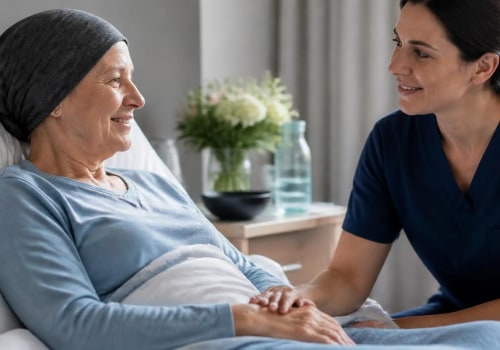

Breast cancer is a term that resonates with many, evoking a mix of emotions ranging from fear to resilience. As one of the most prevalent forms of cancer globally, it affects millions of individuals and their families each year. Breast cancer is a term that resonates with many, evoking a mix of emotions ranging from fear to resilience. As one of the most prevalent forms of cancer globally, it affects millions of individuals and their families each year.
Understanding breast cancer
goes beyond mere statistics; it delves into the complexities of biology, genetics, and the profound impact on those diagnosed. In recent years, advances in research have revolutionized our approach to this disease, leading to better detection methods, more effective treatments, and improved outcomes.The landscape of breast cancer is continually evolving, with scientists and medical professionals working tirelessly to unveil new findings that could change the course of treatment and survival. This article aims to provide a comprehensive overview of the latest research and advancements in the field of breast cancer. By exploring the latest breakthroughs, we hope to inform and empower readers—whether they are patients, caregivers, or simply curious individuals seeking knowledge about this critical health issue. Join us as we navigate through the complexities of breast cancer, highlighting key developments that could shape the future of diagnosis and therapy.
Breast cancer
remains one of the most prevalent cancers affecting individuals worldwide.Recent statistics highlight that approximately 1 in 8 women will be diagnosed with this disease in their lifetime, making it a significant public health issue. However, the landscape of breast cancer treatment and research has evolved dramatically over the past few years, offering hope and improved outcomes for many patients. Advancements in targeted therapies and immunotherapy have transformed the way we approach this disease, allowing for more personalized treatment options that consider the unique genetic makeup of each tumor. In recent years, targeted therapies have emerged as a game-changer in breast cancer treatment. These therapies focus on specific molecular targets associated with breast cancer, minimizing damage to healthy cells and reducing side effects compared to traditional chemotherapy.
For instance, drugs like trastuzumab (Herceptin) have been developed for HER2-positive breast cancer, leading to significant improvements in survival rates. Similarly, immunotherapy has gained traction as a promising approach, harnessing the body’s immune system to combat cancer cells. Agents like pembrolizumab are currently being investigated in various clinical trials for their effectiveness against triple-negative , leading to significant improvements in survival rates. Similarly, immunotherapy has gained traction as a promising approach, harnessing the body’s immune system to combat cancer cells. Agents like pembrolizumab are currently being investigated in various clinical trials for their effectiveness against triple-negative breast cancer, which is often more aggressive and harder to treat. The importance of ongoing clinical trials cannot be overstated, as they are crucial for advancing our understanding of breast cancer and developing new treatment modalities. For instance, the SWOG S1314 trial aims to assess the effectiveness of combining chemotherapy with immunotherapy in early-stage breast cancer.
Another notable study is the MONARCH 3 trial, which evaluates the use of abemaciclib in combination with hormone therapy for HR-positive breast cancer. These trials not only provide valuable data on treatment efficacy but also offer patients access to cutting-edge therapies that may not yet be widely available. The current landscape of breast cancer statistics reveals encouraging trends in incidence and survival rates. According to the American Cancer Society, the 5-year relative survival rate for localized breast cancer is about 99%, underscoring the importance of early detection. However, disparities remain; certain demographic groups, including women of color and those living in rural areas, experience higher incidence rates and poorer outcomes.
Addressing these disparities is critical to ensuring that all patients receive equitable care and support. Preventive measures play a vital role in reducing the risk of developing breast cancer. Research indicates that lifestyle changes such as maintaining a healthy weight, engaging in regular physical activity, limiting alcohol consumption, and quitting smoking can significantly lower risk. Additionally, screening practices like mammograms are essential for early detection, as they can identify tumors before they become symptomatic. The U.S.
Preventive Services Task Force recommends that women begin screening mammograms at age 40 or earlier for those with a family history or other risk factors. A key component of improving awareness and education about breast cancer is through various campaigns that have successfully raised funds for research and promoted screening practices. Initiatives like Breast Cancer Awareness Month in October have mobilized communities and increased knowledge regarding the importance of early detection and research funding. Such campaigns have not only fostered a sense of solidarity among patients and survivors but have also highlighted the critical need for ongoing support for research advancements. For patients and caregivers navigating a breast cancer diagnosis, numerous resources are available to provide support and information. Organizations such as Susan G.
Komen and the American Cancer Society offer helplines, informational websites, and local support groups that connect individuals facing similar challenges. These resources provide emotional support and practical guidance throughout treatment journeys. While there is a wealth of scientific advancements in breast cancer, it is important to consider potential counterarguments regarding alternative treatments or skepticism towards certain research findings. Some individuals may seek alternative therapies due to personal beliefs or dissatisfaction with conventional treatments. It is crucial for healthcare providers to engage patients in open discussions about these options while emphasizing evidence-based treatments backed by rigorous research.
Balancing respect for patient autonomy with the need for scientifically validated interventions will ultimately lead to better outcomes. The journey through breast cancer is undoubtedly challenging, but ongoing research, advancements in treatment options, and strong support networks are paving the way for improved patient experiences and outcomes. Continued education and awareness will be instrumental in fostering an environment where innovation thrives, ultimately leading to a future where breast cancer can be effectively managed or even cured.
Statistics That Matter
According to the American Cancer Society, breast cancer is the most common cancer among women in the United States, with an estimated 287,850 new cases expected in 2022 alone. This statistic underscores the significance of ongoing research and awareness campaigns aimed at early detection and effective treatment. In terms of mortality, breast cancer accounts for approximately 43,250 deaths annually in the U.S., making it the second leading cause of cancer-related deaths among women, following lung cancer. These numbers emphasize the critical need for continued advancements in treatment options to improve survival rates. Demographically, breast cancer does not discriminate; however, data shows that it disproportionately affects certain groups.For instance, African American women are more likely to die from breast cancer compared to women of other racial and ethnic backgrounds, despite having a lower incidence rate. Understanding these demographics is essential for tailoring prevention and treatment efforts. Additionally, it is noteworthy that while breast cancer is predominantly diagnosed in women, approximately 2,710 men are also expected to be diagnosed with the disease in 2022. This highlights the importance of awareness among all genders regarding breast cancer risks and symptoms. Overall, these statistics not only reflect the current state of breast cancer but also illustrate the ongoing challenges and the urgent need for research-driven solutions to enhance patient outcomes.
Recent Breakthroughs in Treatment
In recent years, the landscape of breast cancer treatment has undergone significant transformations, particularly with the introduction of innovative therapies. Among these advancements, PARP inhibitors have emerged as a promising new class of drugs that target specific genetic mutations associated with breast cancer, notably those linked to the BRCA1 and BRCA2 genes.PARP inhibitors
work by exploiting the DNA repair weaknesses in cancer cells. They inhibit the enzyme poly (ADP-ribose) polymerase (PARP), which is crucial for repairing DNA damage.When cancer cells with BRCA mutations are treated with these inhibitors, they accumulate damage and ultimately die, while normal cells remain largely unaffected. This targeted approach offers a distinct advantage over traditional treatments, such as chemotherapy, which often affect both cancerous and healthy cells. Clinical trials have shown that PARP inhibitors, such as olaparib and talazoparib, can lead to improved progression-free survival rates in patients with metastatic breast cancer harboring BRCA mutations. These results suggest that incorporating PARP inhibitors into treatment regimens can enhance patient outcomes, providing a more personalized approach to therapy. Furthermore, ongoing research continues to explore the potential of combining PARP inhibitors with other treatment modalities, such as immunotherapy and targeted therapies, to create more effective treatment plans. This evolving landscape highlights the importance of continued research and innovation in the fight against breast cancer, offering hope for patients and their families.
Clinical Trials: Shaping the Future
Clinical trials are essential to advancing our understanding and treatment of breast cancer.These research studies involve people who volunteer to participate in testing new treatments, drugs, or interventions. The primary purpose of clinical trials is to determine whether a new approach is safe and effective compared to existing options. Typically, clinical trials are conducted in phases, each designed to answer specific research questions while ensuring participant safety. Phase I trials focus on safety, determining the maximum tolerated dose of a new treatment. Phase II trials assess the efficacy of the treatment in a larger group of patients.
Finally, Phase III trials compare the new treatment with standard care in a much larger population, providing robust data on its effectiveness. Currently, several exciting clinical trials are underway that aim to reshape the landscape of breast cancer treatment. For instance, one trial is investigating a combination therapy that pairs immunotherapy with traditional chemotherapy, seeking to enhance patient responses. Another noteworthy trial focuses on a novel targeted therapy that aims to block specific genetic mutations found in certain breast cancer subtypes. Moreover, advancements in technology have led to the development of personalized medicine approaches being tested in clinical settings. These studies investigate how tailoring treatments based on individual genetic profiles can lead to better outcomes for patients diagnosed with breast cancer.
The results from these trials hold great promise for improving survival rates and quality of life for patients. By participating in clinical trials, patients not only contribute to medical research but also gain access to cutting-edge therapies that may not yet be available through standard treatment pathways. As more individuals enroll in these studies, we can expect a brighter future for breast cancer care, driven by innovation and rigorous scientific inquiry.
Support Resources for Patients and Families
Facing a breast cancer diagnosis can be an overwhelming experience for both patients and their families. Fortunately, there are numerous organizations and resources dedicated to providing support, education, and guidance throughout this journey.American Cancer Society (ACS)
is one of the largest organizations offering comprehensive resources for individuals affected by breast cancer. They provide information on treatment options, support groups, and even financial assistance programs to help manage the costs associated with care.Breast Cancer Research Foundation (BCRF)
not only funds research aimed at eradicating breast cancer but also offers educational resources for patients to understand their disease better and make informed decisions about their treatment. The National Breast Cancer Coalition (NBCC) advocates for policies that support breast cancer research and works to ensure that patients have access to the latest treatment advancements. advocates for policies that support breast cancer research and works to ensure that patients have access to the latest treatment advancements.They also offer a variety of educational materials to empower patients. Another valuable resource is Pink Ribbon Foundation, which provides financial support for individuals undergoing treatment. Their programs aim to alleviate some of the burdens associated with a breast cancer diagnosis, offering help with daily living expenses during this challenging time. Local support groups are also essential for emotional well-being. Organizations like Living Beyond Breast Cancer (LBBC) provide peer support, educational workshops, and community events that connect patients and their families with others who share similar experiences. Finally, online platforms such as CancerCare offer free counseling services and support groups via phone or online, making it easier for those impacted by breast cancer to find help without the need to travel. These resources play a crucial role in providing the necessary emotional and practical support that patients and their families need during their fight against breast cancer.
Preventive Measures You Can Take
When it comes to breast cancer, proactive measures can make a significant difference in reducing risk and enhancing early detection. Understanding the various lifestyle choices, genetic testing options, and recommended screening guidelines is essential for empowerment and prevention. Adopting a healthy lifestyle is one of the most effective ways to lower the risk of developing breast cancer.This includes maintaining a balanced diet rich in fruits, vegetables, and whole grains while limiting processed foods and red meats. Regular physical activity is also crucial; aiming for at least 150 minutes of moderate aerobic exercise each week can help maintain a healthy weight, which is vital since obesity has been linked to an increased risk of breast cancer.In addition to lifestyle changes, genetic testing plays an important role in breast cancer prevention, especially for those with a family history of the disease. Tests for mutations in genes such as BRCA1 and BRCA2 can provide insight into an individual’s risk level. For those who test positive for these mutations, healthcare providers may recommend more intensive monitoring or preventive surgeries as viable options to significantly reduce the risk of developing breast cancer.Screening recommendations are also critical in the fight against breast cancer.
Women are generally advised to begin annual mammograms at age 40, or earlier if they have a family history or other risk factors. Clinical breast exams and self-examinations are also encouraged to foster awareness of any changes in breast tissue. Early detection through these screenings can lead to more effective treatment options and improved outcomes. By making informed lifestyle choices, considering genetic testing, and adhering to screening recommendations, individuals can take active steps towards reducing their risk of breast cancer. Awareness and education are key components in this journey toward better health. In conclusion, this article has highlighted the significant strides being made in the fight against breast cancer, from the latest breakthroughs in treatment to the importance of clinical trials that shape the future of patient care.
The statistics provided remind us of the prevalence and impact of this disease, emphasizing the need for ongoing research and awareness. We have also discussed preventive measures that individuals can take, as well as support resources available for patients and their families. Understanding the emotional toll that a breast cancer diagnosis can have is crucial in fostering a supportive environment for those affected. As we move forward, it is vital to remain informed about advancements in research and treatment options. We encourage readers to seek support when needed and to consider participating in awareness campaigns or clinical trials.
Together, we can make a difference in the fight against breast cancer.