In the ever-evolving landscape of cancer treatmentcancer treatment, clinical trials serve as a cornerstone for innovation and advancement. As the battle against cancer intensifies, understanding the , clinical trials serve as a cornerstone for innovation and advancement. As the battle against cancer intensifies, understanding the importance of clinical trials in cancer treatment becomes paramount for patients, caregivers, and healthcare professionals alike. These rigorous studies not only pave the way for the discovery of new therapies but also enhance our knowledge of existing treatments, providing hope to millions affected by this devastating disease. Clinical trials act as a beacon of hope, offering patients access to cutting-edge therapies that may not yet be available through standard treatment protocols. By participating in these trials, individuals contribute to a collective effort aimed at uncovering new insights that can lead to breakthroughs in cancer care.
This dynamic process is fueled by collaboration among researchers, oncologists, and patients, all striving toward a common goal: to improve survival rates and quality of life for those battling cancer. Moreover, understanding the intricacies of clinical trials is essential for making informed decisions about treatment options. As we delve deeper into this article, we will explore the multifaceted role that clinical trials play in shaping the future of cancer treatment, highlighting their significance not just in developing new drugs but also in refining existing therapies and ensuring that they are safe and effective for diverse patient populations. Join us as we embark on this enlightening journey to uncover the vital role of clinical trials in advancing cancer treatment and discover how these studies are transforming the landscape of oncology, bringing us one step closer to conquering cancer.
Clinical trials
are a cornerstone of modern medicine, particularly in the field of cancer treatment. They play a vital role in discovering new therapies and understanding the complexities of cancer. Through these carefully designed studies, researchers can evaluate the safety and efficacy of new treatments, paving the way for innovations that significantly improve patient outcomes.The significance of clinical trials lies in their ability to transform theoretical research into tangible results that benefit patients and the healthcare community alike. Clinical trials are categorized into different phases, each serving a specific purpose in the drug development process.
Phase I trials
primarily focus on assessing the safety of a new drug or treatment in a small group of participants. These initial trials help determine the appropriate dosage and identify any potential side effects. Once safety is established, Phase II trials involve a larger group of patients and aim to assess the treatment's effectiveness while continuing to monitor safety.If successful, the trial progresses to Phase III, where thousands of patients may participate in randomized studies comparing the new treatment to standard care. This phase provides robust data on how well the new therapy works across diverse populations. Finally, Phase IV trials, also known as post-marketing studies, occur after a drug has been approved and is available on the market. These trials monitor long-term effects and gather additional information about the treatment's benefits and risks. Recent breakthroughs in cancer treatment demonstrate the profound impact of clinical trials.
For instance, advancements in immunotherapy, which harnesses the body's immune system to fight cancer, have shown remarkable success in treating various cancers like melanoma and lung cancer. Trials exploring targeted therapies, which focus on specific genetic mutations within tumors, have also led to significant improvements in patient survival rates. These innovations are not just theoretical; they represent real hope for countless individuals battling cancer.
Furthermore, new treatments emerging from clinical trial data show promising success rates, with some therapies increasing survival rates by over 50% in certain populations. Such statistics highlight not only the importance of participation but also the potential for groundbreaking therapies to change lives.
Moreover, eligibility criteria for clinical trials are designed to ensure patient safety while allowing researchers to gather valuable data. It is crucial for potential participants to understand that they can discuss concerns with their healthcare providers, who can help clarify any misconceptions.
Testimonials from patients who have participated in these studies often reveal profound personal stories of hope and resilience. One patient shared how joining a clinical trial allowed them access to a cutting-edge immunotherapy that was not yet widely available, resulting in a significant reduction in their tumor size. Such narratives highlight not only the potential benefits of participation but also the emotional journey faced by those battling cancer.The Importance of Diversity in Research
Diversity in clinical trials is crucial for developing effective cancer treatments that cater to the needs of all patients.
When a wide array of participants, representing different ethnicities, genders, ages, and backgrounds, is included in research studies, it ensures that the findings are applicable to the broader population. Cancer does not discriminate; it affects individuals from various demographic groups, each potentially responding differently to treatments. By prioritizing diverse participation, researchers can uncover variations in how different populations respond to new therapies. For example, genetic factors may influence how well a treatment works or what side effects are experienced. Trials that include diverse groups can provide insights that lead to more tailored and effective cancer therapies. Furthermore, involving diverse populations in clinical research fosters trust and engagement within those communities.
Historically, some groups have been underrepresented or have faced barriers to participation in clinical trials. By actively promoting diversity, the research community can address these disparities and encourage wider participation, ultimately leading to better health outcomes for all. In summary, the importance of diversity in cancer clinical trials cannot be overstated. It not only enhances the validity and applicability of research findings but also helps bridge gaps in healthcare equity, ensuring that advancements in cancer treatment benefit everyone.
Understanding Clinical Trials
Clinical trials are research studies conducted to evaluate the safety and effectiveness of new treatments, drugs, or medical devices. They are essential components of the drug development process, designed to answer specific scientific questions and determine whether new interventions are more beneficial than existing ones. The structure of a clinical trial typically involves several key phases, each with distinct objectives:-
Phase I: This initial phase focuses on assessing the safety and tolerability of a treatment in a small group of participants, usually healthy volunteers.
The main goal is to determine the maximum tolerated dose and identify side effects.
- Phase II: In this phase, the treatment is given to a larger group of patients who have the condition being studied. The objective is to evaluate the treatment's efficacy and further assess its safety.
- Phase III: This phase involves even larger populations and aims to compare the new treatment against standard therapies. It provides comprehensive data on the treatment's effectiveness, benefits, and potential risks.
- Phase IV: After a treatment receives approval from regulatory authorities, it enters this post-marketing phase, where long-term effects and optimal use are studied in diverse populations.
Clinical trials
also contribute to our understanding of cancer by investigating various factors such as genetic markers, treatment responses, and patient quality of life.The Patient Perspective
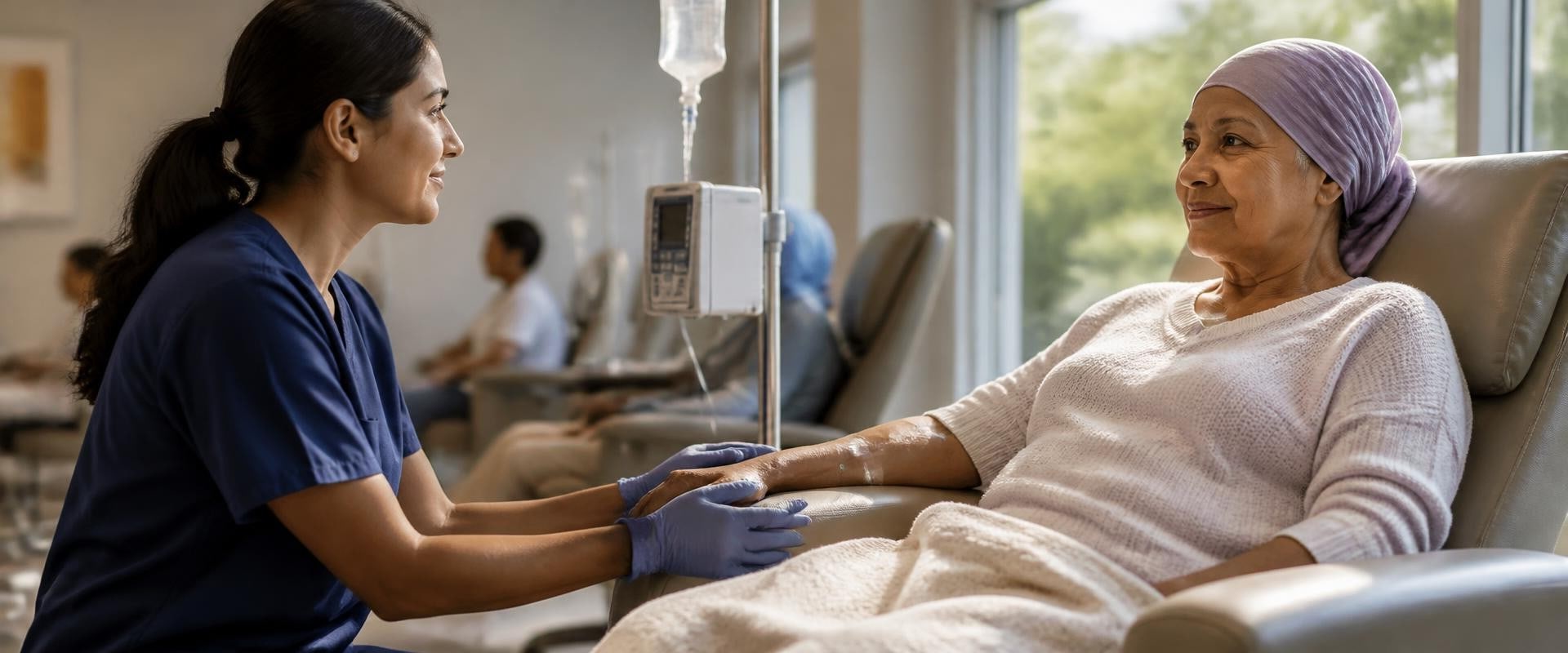
Participating in a clinical trial can be a life-changing experience for many cancer patients.These trials offer hope and the possibility of access to cutting-edge treatments that are not yet available through standard care.
Patients
often describe their journey as one filled with uncertainty but also with optimism. For instance, Sarah, a breast cancer survivor, shared her story of joining a clinical trial for a new immunotherapy drug. She explained how being part of the trial not only provided her with a sense of purpose but also allowed her to contribute to research that could help future patients. Another patient, John, who was diagnosed with late-stage lung cancer, found solace in participating in a trial that tested a combination of therapies.He recounted how the support from the clinical trial team and fellow participants created a community that helped him cope with his diagnosis. John emphasized that while the trial did not lead to a cure, it provided him with valuable insights into his condition and access to treatments that improved his quality of life. Patients often express gratitude for the opportunity to be part of something larger than themselves. They recognize that their participation may pave the way for advancements in cancer treatment that could benefit others. This collective hope fuels many to enroll in trials, knowing that their contributions might lead to breakthroughs in understanding cancer. The experiences of these patients highlight the profound impact that clinical trials can have not only on individual lives but also on the broader fight against cancer.
By sharing their stories, they inspire others to consider participation in clinical trials, fostering a sense of community and shared purpose among those affected by this disease.
Recent Advancements in Cancer Treatment
Recent advancements in cancer treatment have been significantly shaped by the outcomes of clinical trials. These trials have paved the way for innovative therapies that have transformed patient care and enhanced survival rates. One notable advancement is the development of immunotherapy, which harnesses the body's immune system to fight cancer. Clinical trials have demonstrated the effectiveness of immune checkpoint inhibitors in various cancers, including melanoma and lung cancer. These therapies have not only improved response rates but have also led to long-lasting remissions in some patients. Another significant breakthrough is the introduction of targeted therapies.Clinical trials focusing on specific genetic mutations have led to personalized treatment options that are more effective and have fewer side effects than traditional chemotherapy. For instance, drugs targeting the HER2 protein in breast cancer patients have shown remarkable success, making a profound impact on patient outcomes. Additionally, advancements in combination therapies have been made through clinical trials, where multiple treatment modalities are used together to enhance efficacy. For example, combining targeted therapy with immunotherapy has shown promise in treating advanced cancers, offering new hope for patients who previously had limited options. Furthermore, clinical trials have also played a crucial role in advancing precision medicine, allowing for treatments tailored to individual patient profiles based on genetic testing. This approach has led to more effective management of various cancers and has opened doors to new therapeutic avenues. Overall, the contributions of clinical trials in recent years cannot be overstated.
They continue to be a vital component in the fight against cancer, leading to breakthroughs that not only improve patient survival but also enhance the quality of life for those affected by this disease.
How to Get Involved
For patients and caregivers looking to explore options for participation in clinical trials, there are several pathways to find ongoing studies that might be suitable.Clinical trials
are often listed on dedicated websites that aggregate information about research studies, including eligibility criteria and locations. One of the most comprehensive resources is clinicaltrials.gov, a database maintained by the U.S. National Library of Medicine. This platform allows users to search for trials based on specific criteria such as cancer type, location, and phase of the trial.By entering relevant keywords, patients can identify studies that align with their treatment needs. Additionally, organizations such as the American Cancer Society and Cancer Research UKCancer Research UK provide valuable resources and support for individuals seeking information about clinical trials. These organizations often have dedicated sections on their websites where users can learn about ongoing trials and receive guidance on how to participate. Patients can also consult their oncologists or healthcare providers, who can offer personalized advice and may have knowledge of local or specialized trials that are not widely advertised. Healthcare professionals can help determine if a clinical trial is a suitable option based on the patient's specific condition and treatment history. Finally, support groups and patient advocacy organizations can be excellent sources of information. They often provide insights into the experiences of others who have participated in trials, which can help alleviate concerns and encourage involvement. In summary, finding the right clinical trial involves utilizing various resources, including online databases, healthcare professionals, and patient advocacy groups.
By taking these steps, patients and caregivers can actively engage in the search for innovative treatment options that may improve outcomes in their cancer journey.
Phases of Clinical Trials
Clinical trials play a pivotal role in the advancement of cancer treatment, and they are conducted in distinct phases that serve specific purposes. Understanding these phases is essential for grasping how new therapies are developed and tested. The first phase is Phase I, which primarily focuses on assessing the safety of a new treatment. In this phase, a small group of participants, often healthy volunteers or individuals with advanced cancer, receive the experimental drug. The main objective is to determine the appropriate dosage and identify any potential side effects. Following Phase I, the trial progresses to Phase II.Here, the focus shifts to evaluating the effectiveness of the treatment. A larger group of patients, typically those with the specific type of cancer being targeted, participates in this phase. Researchers aim to gather more information on how well the treatment works and to further assess its safety. The next stage is Phase III, which involves an even larger population. In this phase, clinical trials compare the new treatment to standard therapies currently in use.
This comparison helps to establish whether the new treatment offers significant benefits over existing options. Additionally, Phase III trials are critical for gathering comprehensive data on the drug's effectiveness and long-term safety. Lastly, Phase IV occurs after a treatment has been approved by regulatory agencies. This phase involves monitoring the drug's performance in the general population, assessing its long-term effects, and identifying any rare side effects that may not have been evident during earlier phases. Phase IV trials help ensure ongoing safety and efficacy as the treatment becomes widely available. In summary, each phase of clinical trials is designed with specific goals in mind, from ensuring safety to confirming efficacy and monitoring long-term effects.
Together, these phases contribute significantly to the evolution of cancer therapies, providing hope and improved outcomes for patients and their families. In conclusion, the importance of clinical trials in cancer treatment cannot be overstated. Throughout this article, we have explored how these trials serve as a cornerstone for advancing therapies and improving patient outcomes. By participating in clinical trials, patients not only contribute to the development of innovative treatments but also gain access to cutting-edge care that may not yet be widely available. Moreover, the insights gained from these trials enhance our understanding of cancer, paving the way for more personalized and effective treatment options. It is crucial for patients and their families to recognize the hope that clinical trials bring, as they represent a journey from rigorous research to tangible real-world applications. We encourage readers to consider participating in clinical trials or advocating for increased research funding and awareness.
Your involvement can make a significant difference in the fight against cancer and help usher in a new era of treatment possibilities.