
In the ever-evolving landscape of cancer treatment, In the ever-evolving landscape of cancer treatment, radiation therapy techniquesradiation therapy techniques have emerged as a beacon of hope for patients worldwide. As we strive to combat this formidable disease, innovation in medical technology plays a crucial role in enhancing treatment efficacy and minimizing side effects. From traditional methods to cutting-edge advancements, the realm of radiation therapy is undergoing a transformation that promises to revolutionize patient care. This article delves into the innovative techniques in radiation therapy that are shaping the future of cancer treatment. We will explore how these advancements not only improve accuracy and precision in targeting tumors but also offer new hope for patients who may have previously faced limited options.
By understanding the latest developments in radiation therapy, we can appreciate the strides being made towards more personalized and effective treatment plans. Join us as we embark on a journey through the latest breakthroughs in radiation therapy, examining how these techniques are not just changing the way we treat cancer but also enhancing the quality of life for countless individuals. Whether you are a healthcare professional, a patient, or simply curious about the future of cancer treatment, this exploration of radiation therapy techniques will provide valuable insights into one of modern medicine's most impactful fields. Radiation therapy is a cornerstone in the treatment of cancer, providing significant benefits for patients at various stages of their disease. Over the years, it has evolved into a sophisticated discipline that employs a range of techniques to target tumors while sparing healthy tissue. Understanding radiation therapy techniques is essential not only for healthcare professionals but also for patients, as it empowers them to make informed decisions about their treatment options.
The intersection of technology and patient care has led to remarkable improvements in treatment outcomes, making it vital to explore these advancements. One of the primary methods of delivering radiation is through External Beam Radiation Therapy (EBRT). This technique involves directing high-energy beams, such as X-rays or protons, from outside the body onto the tumor. EBRT is widely used for various cancers, including breast, prostate, and lung cancers. Recent advancements in EBRT include intensity-modulated radiation therapy (IMRT) and volumetric modulated arc therapy (VMAT), which allow for more precise targeting of tumors while minimizing exposure to surrounding healthy tissue.
Statistics show that IMRT can reduce side effects and improve quality of life for patients by delivering radiation in a more controlled manner. For example, studies indicate that patients receiving IMRT for head and neck cancers experience fewer complications than those treated with conventional techniques. Brachytherapy is another effective radiation therapy technique, where radioactive sources are placed directly inside or very close to the tumor. This method is particularly useful for treating localized cancers, such as prostate and cervical cancers. Brachytherapy allows for high doses of radiation to be delivered directly to the tumor while reducing exposure to surrounding healthy tissues.
Recent innovations in brachytherapy, such as the use of high-dose-rate (HDR) brachytherapy, have improved treatment efficiency and patient outcomes. Clinical trials have shown that HDR brachytherapy can result in comparable or even better outcomes than traditional external beam techniques in certain scenarios. Recent innovations in brachytherapy, such as the use of high-dose-rate (HDR) brachytherapy, have improved treatment efficiency and patient outcomes. Clinical trials have shown that HDR brachytherapy can result in comparable or even better outcomes than traditional external beam techniques in certain scenarios.
Stereotactic Body Radiation Therapy (SBRT)
represents another innovative approach in the field of radiation oncology. SBRT delivers high doses of radiation with extreme precision, often in just one to five sessions. This technique is particularly beneficial for patients with small, well-defined tumors in areas such as the lungs, liver, or spine.The efficacy of SBRT is supported by research showing that it can achieve local control rates exceeding 80% for early-stage lung cancer, with minimal side effects compared to traditional therapies. Ongoing clinical trials are exploring the combination of SBRT with immunotherapy to enhance treatment effectiveness further. The advent of precision medicine has revolutionized how radiation therapy is tailored to individual patients. By considering genetic information and tumor characteristics, healthcare providers can optimize treatment plans that align with each patient's unique profile. This personalized approach allows for better targeting of tumors and can significantly improve treatment outcomes while minimizing side effects. However, like all treatments, radiation therapy does come with potential side effects, including fatigue, skin irritation, and potential damage to surrounding healthy tissues.
Managing these side effects is crucial for maintaining the patient's quality of life throughout treatment. Anecdotal evidence from patients indicates that proactive management strategies, such as skin care regimens and nutritional support, can mitigate some adverse effects associated with radiation therapy. There are ongoing discussions within the medical community regarding the effectiveness of various radiation therapy techniques compared to other modalities such as chemotherapy or targeted therapies. While some argue that radiation therapy can provide superior local control rates for certain tumor types, others emphasize the importance of multimodal approaches that combine different treatments for optimal results. The debate continues as new research emerges, highlighting the need for ongoing clinical trials and investigations into the best combinations of therapies. In summary, understanding the landscape of radiation therapy techniques, including EBRT, brachytherapy, and SBRT, equips both patients and healthcare professionals with vital knowledge needed to navigate cancer treatment options effectively.
As technology progresses and our understanding deepens through research and clinical trials, the future looks promising for innovative approaches in radiation therapy that will continue to improve patient outcomes.
Brachytherapy
Brachytherapy is a form of internal radiation therapy that involves placing radioactive sources directly inside or very close to a tumor. This technique allows for high doses of radiation to be delivered to the cancerous tissue while minimizing exposure to surrounding healthy tissues. The unique approach of brachytherapy differentiates it from traditional external beam radiation therapy, as it offers a more targeted treatment option. One of the primary applications of brachytherapy is in the treatment of prostate cancer, where radioactive seeds are implanted into the prostate gland. This method not only improves the precision of treatment but also enhances patient comfort and can lead to quicker recovery times.Other cancers treated with brachytherapy include cervical, breast, and skin cancers, each utilizing specific techniques tailored to the tumor's characteristics. The advancement in imaging technology has further refined the use of brachytherapy, allowing for better planning and placement of radioactive sources. As a result, healthcare professionals can achieve optimal doses while safeguarding healthy tissues, which significantly improves patient outcomes.
Emerging Technologies in Radiation Therapy
In recent years, advancements in radiation therapy have significantly transformed cancer treatment, with innovative techniques emerging to enhance patient outcomes. One of the most notable developments is proton therapy, a cutting-edge treatment that utilizes protons rather than traditional X-rays to target tumors. This precision allows for the delivery of higher doses of radiation directly to the cancer cells while sparing surrounding healthy tissue.As a result, patients experience fewer side effects and improved quality of life during and after treatment. Another promising advancement is adaptive radiotherapy, which tailors treatment plans based on real-time changes in a patient’s anatomy or tumor size. This technique involves continuous monitoring of the tumor's response to radiation, enabling oncologists to adjust the treatment parameters as needed. By adapting to these changes, adaptive radiotherapy ensures that the maximum dose is delivered to the tumor throughout the treatment process, potentially increasing the effectiveness of the therapy. The integration of these technologies not only showcases the innovative spirit within oncology but also highlights the importance of personalized medicine in radiation therapy. As we continue to see progress in this field, it becomes increasingly crucial for both patients and healthcare professionals to understand these emerging technologies and their implications for cancer treatment.
Stereotactic Body Radiation Therapy (SBRT)
Stereotactic Body Radiation Therapy (SBRT) is a cutting-edge technique in the realm of radiation therapy, designed to deliver highly focused radiation doses to localized tumors.This method stands out due to its exceptional precision, allowing oncologists to target tumors with remarkable accuracy while minimizing exposure to surrounding healthy tissues. The primary advantage of SBRT lies in its ability to treat patients with localized tumors effectively. Unlike conventional radiation therapy, which may require multiple sessions spread over several weeks, SBRT typically involves fewer treatment sessions, often completed within one to five visits. This not only enhances patient comfort but also reduces the overall duration of treatment. Furthermore, the precision of SBRT contributes to improved outcomes for patients. By concentrating high doses of radiation directly on the tumor, SBRT can lead to better tumor control and potentially increase the chances of remission.
Patients often experience fewer side effects compared to traditional methods, as the surrounding healthy tissue receives less radiation exposure. In summary, Stereotactic Body Radiation Therapy (SBRT) represents a significant advancement in cancer treatment, particularly for those with localized tumors. Its precision and efficiency offer patients a promising option that combines effective treatment with a reduced burden on their daily lives.
External Beam Radiation Therapy (EBRT)
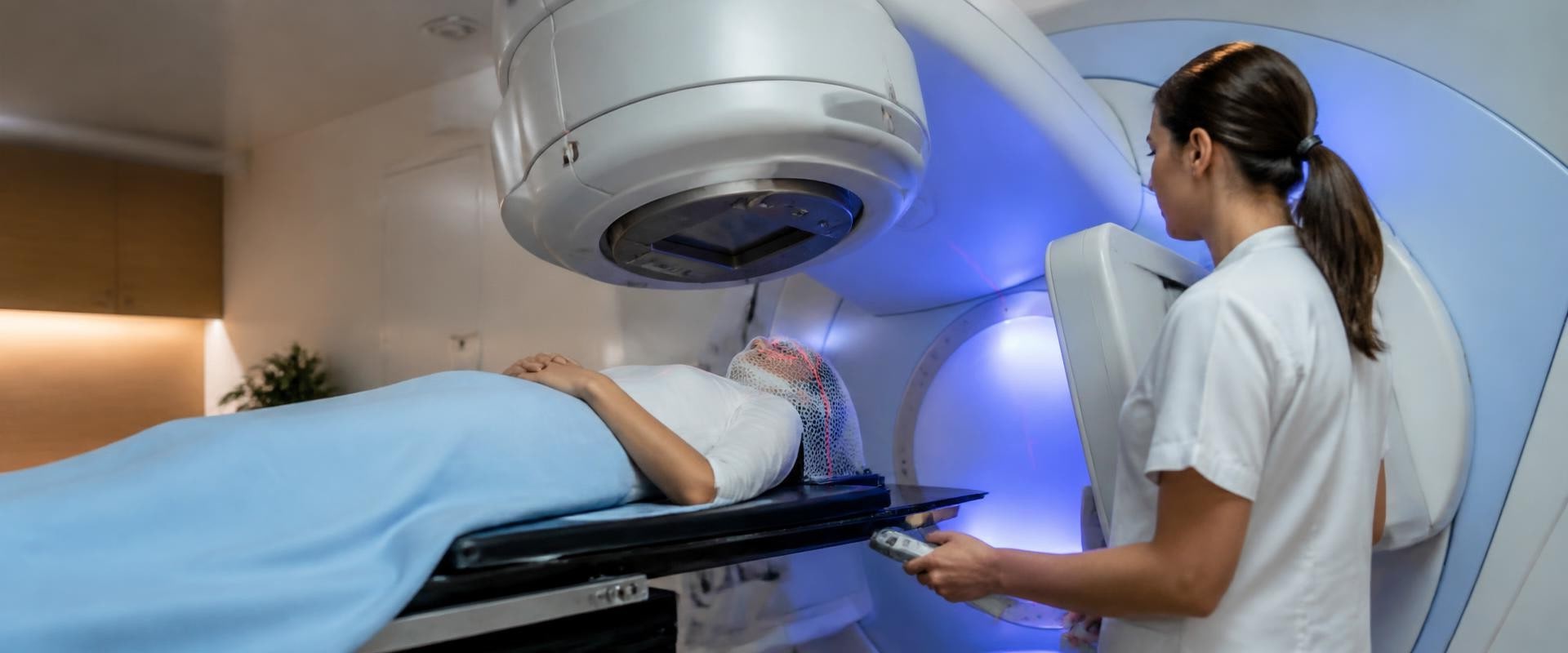
External Beam Radiation Therapy (EBRT) is a widely used method for delivering radiation treatment to cancer patients. This technique involves directing high-energy beams, such as X-rays or electrons, from outside the body towards the tumor site. The primary goal of EBRT is to destroy cancer cells while minimizing damage to surrounding healthy tissues. The delivery of EBRT is a precise process that typically involves several steps.First, a patient undergoes imaging studies, such as CT scans, to accurately locate the tumor and determine its size and shape. Based on this information, a treatment plan is developed using advanced software that calculates the optimal angles and doses of radiation needed. During treatment sessions, patients lie on a treatment table while a linear accelerator, a machine that generates the radiation beams, targets the tumor from multiple angles. One of the significant advantages of External Beam Radiation Therapy is its non-invasive nature. Unlike surgical options, EBRT does not require any incisions, making it a preferable choice for many patients.
Additionally, advancements in technology have led to more precise delivery systems, such as Intensity-Modulated Radiation Therapy (IMRT) and Image-Guided Radiation Therapy (IGRT), which enhance targeting accuracy and reduce side effects. EBRT is commonly used to treat various types of cancer, including but not limited to breast, prostate, lung, and brain cancers. It can be utilized as a primary treatment, as well as an adjuvant therapy alongside chemotherapy or surgery. In some cases, EBRT may also be applied palliatively to relieve symptoms caused by advanced cancer.
Patient Support and Resources
Undergoing radiation therapy can be a daunting experience for many patients. It is essential to recognize that support networks play a crucial role in helping patients navigate the challenges associated with their treatment.These networks provide emotional support, practical assistance, and valuable information about the radiation therapy techniques involved in their care. One of the primary resources available to patients is local and online support groups. These groups allow individuals to share their experiences, ask questions, and receive encouragement from others who are going through similar situations. Many hospitals and cancer treatment centers offer support group meetings, either in-person or virtually, where patients can connect with peers. In addition to support groups, various organizations provide resources specifically tailored for cancer patients receiving radiation therapy. The American Cancer Society, for example, offers comprehensive information on treatment options, coping strategies, and financial assistance programs.
Such resources can help alleviate some of the burdens associated with treatment costs and logistical challenges. Healthcare professionals also play a vital role in patient support. Oncologists, nurses, and social workers often provide guidance and can refer patients to additional support services. They can help patients understand their treatment plans and what to expect during the process, fostering a sense of empowerment and control. Furthermore, online forums and social media platforms can serve as valuable tools for patients seeking community and connection. These platforms allow individuals to discuss their experiences with radiation therapy techniques, share advice, and access a wealth of information from fellow patients. Overall, it is essential for patients undergoing radiation therapy to know that they are not alone in their journey.
By accessing available support networks and resources, they can find comfort, understanding, and practical help as they navigate their treatment.
Clinical Trials and Ongoing Research
As the field of radiation therapy continues to evolve, clinical trials play a crucial role in shaping the future of cancer treatment. These studies are essential for evaluating new radiation therapy techniques, improving existing protocols, and understanding the long-term effects of treatment on patients. Currently, researchers are exploring various approaches, including stereotactic body radiation therapy (SBRT) and intensity-modulated radiation therapy (IMRT), which allow for precise targeting of tumors while sparing surrounding healthy tissue. One significant area of ongoing research is the integration of radiation therapy with immunotherapy. Clinical trials are investigating how these two modalities can work together to enhance treatment efficacy.By combining the immune system's ability to recognize and attack cancer cells with targeted radiation, researchers hope to improve patient outcomes and reduce recurrence rates. Additionally, advancements in technology have led to the development of novel imaging techniques that aid in treatment planning and delivery. Innovations such as functional imaging and real-time tracking during radiation delivery are being evaluated in clinical settings. These technologies promise to enhance the precision of radiation therapy and minimize side effects. The implications of these research efforts are profound. As clinical trials yield new findings, they pave the way for personalized treatment strategies tailored to individual patient needs.
This shift towards precision medicine in radiation therapy not only aims to improve survival rates but also enhances the overall quality of life for patients undergoing cancer treatment. In summary, ongoing research and clinical trials are vital components of the advancement of radiation therapy techniques. They hold the promise of more effective treatments and better outcomes for cancer patients worldwide. In conclusion, the landscape of radiation therapy techniques has witnessed remarkable advancements that enhance cancer treatment outcomes. From External Beam Radiation Therapy (EBRT) to Brachytherapy, and the innovative approaches of Stereotactic Body Radiation Therapy (SBRT), patients now have access to a diverse array of treatment options tailored to their unique needs. The integration of emerging technologies and ongoing clinical trials further underscores the dynamic nature of this field, offering hope for more effective therapies. Understanding these techniques is essential for both patients and healthcare professionals, as it empowers informed decision-making and fosters better patient care.
As we move forward, staying informed about these advancements can significantly impact treatment choices and outcomes. We encourage readers to engage proactively with their healthcare providers to explore personalized treatment options and consider participation in clinical trials if they qualify, as this can contribute to the evolving landscape of cancer therapy.