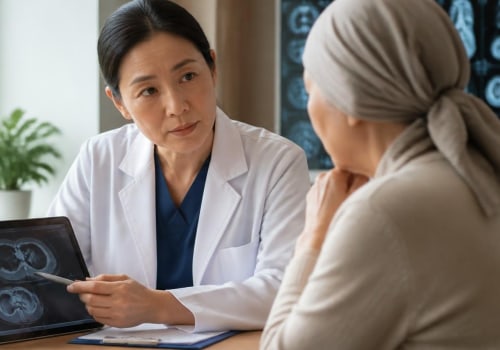

When a loved one is diagnosed with cancer, it can feel like the world has been turned upside down. Families often find themselves navigating a complex emotional landscape filled with fear, uncertainty, and overwhelming stress. During such challenging times, it is crucial to understand that Counseling options for patients and families are available to help provide support, guidance, and healing. In this article, we will delve into the various counseling resources specifically designed for those affected by cancer. Whether you are a patient facing your own diagnosis or a family member supporting a loved one, understanding these options can empower you to seek the help you need.
From individual therapy sessions to group support meetings, the journey toward emotional well-being is not one you have to face alone. Join us as we explore the diverse range of Counseling options for patients and families that can foster resilience and promote mental health during this difficult time. Together, we will uncover how these services can make a significant difference in coping with the emotional toll of cancer. When navigating the challenging journey of cancer, it is crucial for patients and their families to seek the right support. The emotional toll that a cancer diagnosis can impose is profound and far-reaching, affecting not only the individual but also their loved ones.
Counseling options for patients and families
serve as a vital resource in managing these emotional challenges, helping individuals cope with the complexities of diagnosis, treatment, and recovery. One of the most common forms of support is individual therapy.This one-on-one approach allows patients to delve into their feelings about cancer in a safe and confidential environment. Individual therapy can help patients process emotions such as fear, anxiety, and sadness, providing them with coping strategies tailored to their unique experiences. For example, cognitive-behavioral therapy (CBT) has been shown to effectively reduce symptoms of depression and anxiety in cancer patients. A study published in the Journal of Clinical Oncology found that patients who participated in therapy experienced a significant improvement in their overall mental health and well-being. Another valuable option is family counseling, which focuses on improving communication and understanding among family members.
Cancer can create strain within families as they grapple with their loved one's illness. Family counseling provides a space for open dialogue, helping members express their fears and concerns while fostering a supportive environment. By facilitating discussions about feelings and expectations, family counseling can strengthen relationships and promote healing. Research indicates that families who engage in counseling often report higher levels of satisfaction with their communication and emotional support during treatment.
Group support sessions
also offer a unique avenue for healing.These sessions bring together individuals facing similar challenges, creating a community of shared experiences. Participants can share stories, learn coping techniques, and provide mutual encouragement. The sense of belonging that group support fosters can significantly alleviate feelings of isolation often experienced by cancer patients and their families. A study published in Psycho-Oncology highlighted that participation in support groups led to decreased levels of distress among participants, further underscoring the effectiveness of this approach. Despite the many benefits of seeking counseling, common concerns may prevent individuals from pursuing these resources.
Stigma surrounding mental health can make patients feel vulnerable or ashamed about reaching out for help. Some may fear that seeking therapy implies weakness or that they will be judged by others. It is essential to address these misconceptions; seeking help is a courageous step towards healing and is an essential part of comprehensive cancer care. Another concern is the uncertainty regarding whether a counselor will truly understand the unique challenges faced by cancer patients and their families. This highlights the importance of finding a counselor experienced in oncology or one who specializes in working with individuals affected by serious illness.
Such professionals possess the knowledge and skills necessary to provide tailored support that addresses specific emotional and psychological needs related to cancer. Ultimately, counseling options for patients and families offer invaluable support during one of life’s most challenging times. By exploring various types of therapy—be it individual therapy, family counseling, or group support—patients and their loved ones can find the help they need to navigate the emotional landscape of cancer with greater resilience and understanding.
Resources for Finding Counseling Support
Finding the right counseling support is a crucial step for patients and families navigating the emotional challenges posed by cancer. Fortunately, there are numerous resources available to help individuals locate appropriate counseling services.Online Directories
are a great starting point. Websites like Psychology Today and the American Psychological Association provide searchable databases that allow users to filter by location, specialty, and insurance acceptance.These directories can help you find licensed therapists who have experience working with cancer patients and their families. Another valuable resource is hospital resources. Many hospitals have dedicated psychosocial support teams that offer counseling services or can refer patients to local therapists. Contacting the social work department at your hospital can provide insights into available programs tailored to those affected by cancer.
Community organizations
also play a significant role in providing counseling support. Organizations such as the American Cancer Society often have partnerships with local mental health professionals or offer their own support groups and counseling services.Additionally, local cancer support centers may provide free or low-cost counseling options specifically designed for patients and their loved ones. When seeking counseling support, it’s essential to consider what type of therapy might be most beneficial. Individual therapy, family therapy, and group therapy each offer unique advantages and can be tailored to meet specific needs. By utilizing these resources, patients and families can find the emotional support necessary to navigate their cancer journey.
Individual Counseling for Personal Support
Individual counseling is a personalized therapeutic approach designed to provide support and guidance to patients facing the emotional challenges of a cancer diagnosis. This type of counseling typically involves one-on-one sessions with a trained mental health professional who specializes in helping individuals navigate their feelings, fears, and concerns related to their health journey. One of the primary benefits of individual counseling is the creation of a safe and confidential space where patients can openly express their thoughts and emotions without judgment.This therapeutic environment encourages self-reflection and helps individuals process their experiences, making it easier to cope with the complexities of cancer treatment and its impact on daily life. Through individual counseling, patients can explore various coping strategies tailored to their specific needs. Counselors often employ techniques such as cognitive-behavioral therapy (CBT), mindfulness practices, and supportive listening to help patients manage anxiety, depression, and stress that may arise during their cancer journey. Additionally, these sessions can assist individuals in setting personal goals, improving their overall mental health, and enhancing their quality of life. Furthermore, individual counseling can empower patients by fostering resilience and promoting a sense of agency in their treatment process. By addressing emotional challenges directly, patients can develop a deeper understanding of their feelings and learn how to advocate for themselves effectively within the healthcare system. In summary, individual counseling serves as an invaluable resource for patients coping with cancer.
It not only provides essential emotional support but also equips individuals with the tools they need to navigate the complexities of their diagnosis and treatment.
Family Counseling to Strengthen Relationships
Family counseling serves as an invaluable resource for families navigating the challenges posed by a cancer diagnosis. During such distressing times, the emotional strain can lead to misunderstandings and conflicts among family members.Family counseling
provides a safe space for open communication, allowing each member to express their feelings, fears, and concerns without judgment. By engaging in family counseling, families can work on improving their dynamics, fostering a deeper understanding of each other's experiences. This therapeutic environment encourages empathy and compassion, helping family members to recognize that they are not alone in their struggles.It can also strengthen relationships by teaching effective communication strategies and conflict resolution skills. Additionally, family counseling can help identify and address any underlying issues that may arise during the cancer journey. By addressing these issues collaboratively, families can develop a unified approach to coping with the challenges of diagnosis, treatment, and recovery. This collective effort can enhance resilience and provide a stronger support network for everyone involved. Ultimately, the goal of family counseling is to empower families to face their challenges together, reinforcing bonds that may have been strained during difficult times. Engaging in this process not only aids in emotional healing but also strengthens the family unit as a whole, ensuring that all members feel valued and supported.
Group Support Sessions for Shared Experiences
Group support sessions provide a unique opportunity for patients and families to connect with others who are navigating similar challenges.In these sessions, participants can openly share their feelings, experiences, and coping strategies in a safe environment. This shared space fosters a sense of community and belonging, which is essential during the difficult journey of cancer diagnosis and treatment. One of the most significant benefits of group support is the validation that comes from hearing others' stories. Patients and families often feel isolated in their struggles, but realizing that they are not alone can be profoundly comforting. Listening to the experiences of others can help individuals process their own emotions and gain new perspectives on their situations. Additionally, group support sessions encourage open dialogue about feelings that may be hard to express otherwise.
Participants can share not just their fears and anxieties, but also moments of hope and resilience. This exchange helps to create an atmosphere of trust where individuals feel empowered to discuss their struggles without fear of judgment. Furthermore, these sessions often provide practical advice and coping strategies that participants can implement in their daily lives. Experienced facilitators lead discussions, guiding participants to explore topics such as managing stress, communicating with loved ones, and navigating the healthcare system. The knowledge gained from peers can be invaluable, equipping patients and families with tools to better manage their emotional health. In conclusion, group support sessions serve as a vital resource for patients and families affected by cancer.
They not only offer emotional support but also foster connections that can lead to lasting friendships and a deeper understanding of the cancer journey. Engaging in these sessions can significantly enhance one's ability to cope with the myriad challenges posed by cancer, ultimately promoting healing and resilience.
Online Counseling Services for Accessibility
The rise of technology has transformed the way we access counseling services, making it easier than ever for patients and families affected by cancer to seek help. In recent years, teletherapy and online counseling options have gained significant popularity, offering a flexible and convenient alternative to traditional in-person sessions. One of the main advantages of online counseling is its accessibility. Patients who may be dealing with mobility issues or those who live in remote areas can benefit from the ability to connect with a counselor from the comfort of their own home.This can reduce the stress associated with travel and enable individuals to focus on their mental health without added logistical challenges. Furthermore, online counseling services often provide a wider range of specialists than what might be available locally. Patients and families can choose from various therapists who specialize in cancer-related issues, ensuring they find someone who understands their unique situation. This flexibility allows for a more personalized approach to emotional support.Additionally, teletherapy can accommodate different schedules, making it easier for patients and families to fit counseling into their busy lives, especially during treatment. Evening or weekend sessions can often be arranged, providing a crucial resource during challenging times. As we navigate through the complexities of cancer care, it is essential for patients and families to know that support is available at their fingertips.
Online counseling services have emerged as a valuable tool in promoting mental health and emotional well-being, ensuring that no one has to face this journey alone. In conclusion, counseling options for patients and families play a crucial role in navigating the emotional landscape of a cancer diagnosis. Throughout this article, we have explored various forms of support, including individual counseling for personal reflection, family counseling to enhance communication and strengthen relationships, group support sessions to share experiences and foster community, and online counseling services that provide accessibility and convenience. Each of these options offers unique benefits that can significantly improve emotional well-being during this challenging journey. It is essential to remember that seeking help is a sign of strength, and no one should face the trials of cancer alone. We encourage readers to consider integrating these counseling options into their support systems.
By doing so, individuals and families can find comfort, understanding, and resilience as they navigate the complexities of cancer treatment and recovery.