
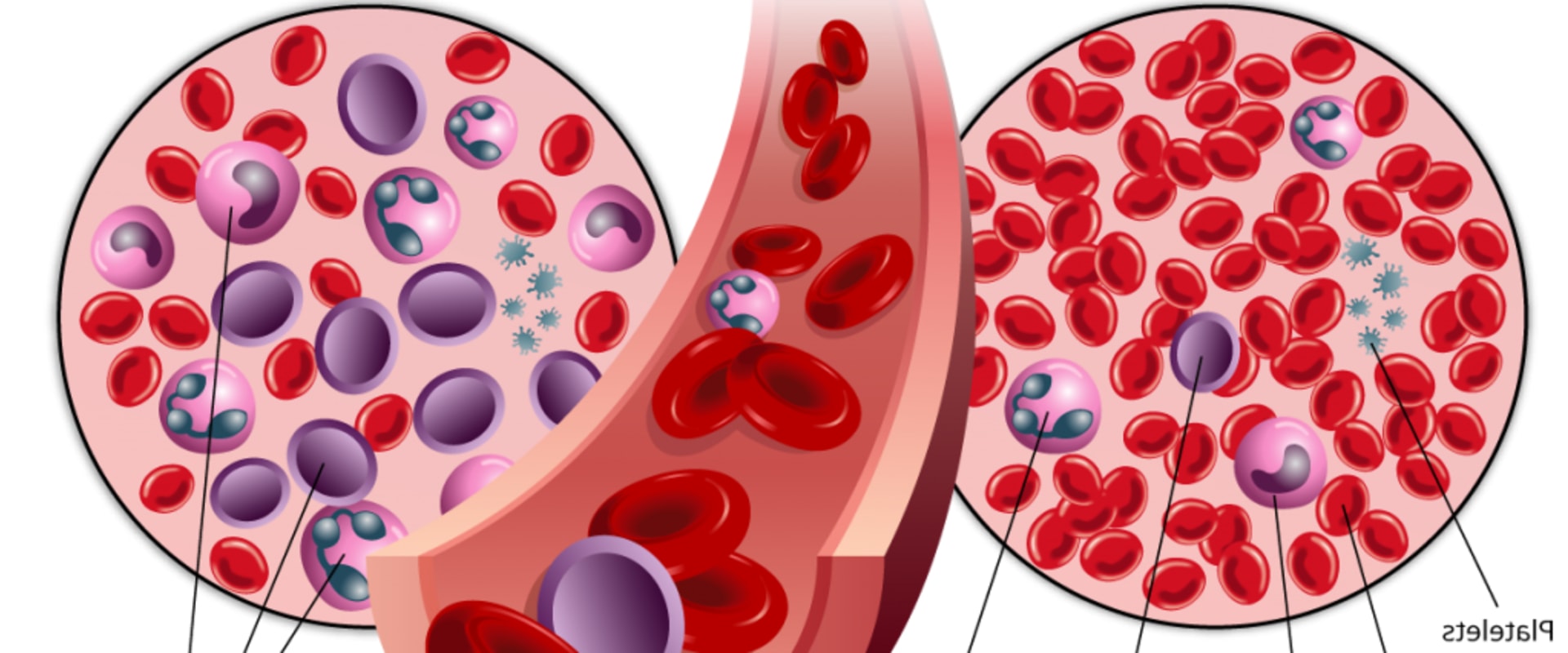
Childhood cancer remains a profound challenge for families and healthcare professionals alike, with Childhood cancer remains a profound challenge for families and healthcare professionals alike, with leukemia in children being one of the most common and serious forms. This devastating disease not only impacts the young patients but also reverberates through their families and communities, creating a ripple effect of concern and emotional strain. Understanding the complexities of leukemia in children is essential, as it encompasses various types, symptoms, treatment options, and ongoing research efforts aimed at improving outcomes. As we delve into this important topic, we will explore the latest insights and advances in the field of pediatric oncology. From groundbreaking therapies to innovative clinical trials, the fight against is essential, as it encompasses various types, symptoms, treatment options, and ongoing research efforts aimed at improving outcomes. As we delve into this important topic, we will explore the latest insights and advances in the field of pediatric oncology. From groundbreaking therapies to innovative clinical trials, the fight against leukemia in children is constantly evolving.
The journey of diagnosis and treatment can be daunting, but with awareness and knowledge, we can better support affected families and advocate for improved care. This article aims to shed light on the intricacies of leukemia in children, offering valuable information that empowers readers to understand this condition more deeply. Join us as we navigate through the critical aspects of childhood leukemia, its impact on young lives, and the hope that comes from scientific advancements.
Leukemia in children
is a critical area of concern in pediatric oncology, as it represents one of the most prevalent forms of cancer affecting this age group. Each year, thousands of children are diagnosed with various types of leukemia, which can significantly impact their health and well-being. The emotional toll on families grappling with such a diagnosis is immense, making it crucial to understand the disease, its treatment options, and the ongoing research efforts aimed at improving outcomes. Among the types of leukemia that affect children, Acute Lymphoblastic Leukemia (ALL) and Acute Myeloid Leukemia (AML) are the most common.ALL primarily affects younger children, typically between the ages of 2 and 5, and is characterized by an overproduction of lymphoblasts, a type of white blood cell. In contrast, AML tends to occur more frequently in older children and adolescents and involves a rapid increase in myeloid cells. Understanding these different forms of leukemia is essential for early diagnosis and intervention. Parents and caregivers should be aware of several symptoms that may indicate leukemia in children. Common signs include persistent fatigue, frequent infections, easy bruising or bleeding, unexplained fever, and swollen lymph nodes.
These symptoms can often be mistaken for other common childhood illnesses, which makes awareness and vigilance crucial. Healthcare professionals utilize various diagnostic procedures to confirm a diagnosis of leukemia, including blood tests to check for abnormal cell counts, bone marrow biopsies to assess the presence of leukemic cells, and imaging studies to evaluate any potential organ involvement. Treatment options for leukemia have advanced significantly over the years.
Chemotherapy
remains the cornerstone of treatment for both ALL and AML, aiming to eliminate cancer cells from the body. Recent developments have led to more targeted therapies that minimize damage to healthy cells while effectively attacking leukemic cells.Radiation therapy may also be used in certain cases, particularly when there is a need to target specific areas where leukemia has spread. For some patients, a bone marrow transplant, also known as a stem cell transplant, may be necessary to restore healthy blood cell production after intensive chemotherapy. In addition to established treatments, there are ongoing clinical trials that are testing new therapies or drugs for leukemia in children. These trials play a vital role in advancing our understanding of the disease and developing more effective treatments with fewer side effects. Parents are encouraged to discuss potential participation in clinical trials with their healthcare team as these studies often provide access to cutting-edge therapies. Supportive care is an essential component of the treatment journey for children with leukemia.
Families can access various resources such as counseling services that address the emotional challenges posed by a cancer diagnosis. Advocacy groups also offer support networks where families can connect with others who have faced similar experiences. These organizations often provide valuable information on navigating treatment options, financial assistance, and educational resources to help families cope during this difficult time. Awareness campaigns play a crucial role in educating the public about leukemia in children. Initiatives aimed at increasing awareness can lead to earlier detection and better outcomes.
By disseminating information about the signs and symptoms of leukemia, these campaigns empower parents and caregivers to seek medical attention promptly. Real-life stories from families affected by leukemia can create a powerful emotional connection and serve as a source of inspiration for those navigating similar challenges. Testimonials often highlight personal journeys through diagnosis, treatment, and recovery, emphasizing resilience and hope in the face of adversity. Sharing these stories fosters a sense of community and support among families dealing with similar situations. In conclusion, understanding leukemia in children is crucial not only for those directly affected but also for society as a whole. As we continue to make strides in research and treatment advancements, raising awareness and providing support will remain vital components in the fight against this challenging disease. is crucial not only for those directly affected but also for society as a whole. As we continue to make strides in research and treatment advancements, raising awareness and providing support will remain vital components in the fight against this challenging disease.
Awareness and Prevention
Awareness campaigns play a crucial role in educating the public about childhood leukemia, helping to dispel myths and misunderstandings surrounding this disease.Organizations such as the Leukemia & Lymphoma Society and various pediatric oncology groups work tirelessly to raise awareness through community events, educational programs, and social media initiatives. These campaigns aim not only to inform parents and caregivers about the symptoms and signs of leukemia but also to promote early detection, which can significantly improve treatment outcomes. Moreover, these awareness initiatives emphasize the importance of regular health check-ups and maintaining open communication with healthcare providers. This is particularly vital for children who may present with vague symptoms that could be attributed to less serious illnesses. By fostering a better understanding of childhood leukemia, families can be more vigilant in recognizing potential warning signs. In addition to awareness, discussions around prevention are essential.
While the exact causes of childhood leukemia remain largely unknown, certain environmental factors and genetic predispositions have been identified as potential contributors. Public health campaigns often focus on minimizing exposure to harmful substances such as tobacco smoke, pesticides, and radiation during pregnancy and childhood. Educating families on these risks can empower them to make informed choices that may reduce their child's risk of developing leukemia. Furthermore, ongoing research into the genetic and environmental factors associated with leukemia continues to shed light on potential preventive measures. By supporting research initiatives, communities contribute to the larger goal of finding ways to prevent this devastating disease.
Types of Leukemia in Children
Leukemia is a broad term that encompasses several types of blood cancers affecting children.The two primary categories of leukemia in children are acute lymphoblastic leukemia (ALL) and acute myeloid leukemia (AML), each with distinct characteristics and implications for treatment.
Acute lymphoblastic leukemia (ALL)
is the most common type of leukemia in children, accounting for approximately 75% of cases. It primarily affects the lymphoid cells, which are crucial components of the immune system. ALL can progress rapidly, making early diagnosis and treatment essential. Symptoms often include fatigue, fever, frequent infections, and easy bruising or bleeding. On the other hand, acute myeloid leukemia (AML) is less common but tends to have a more aggressive course.AML affects myeloid cells, which are responsible for producing red blood cells, white blood cells, and platelets. In children, AML can present with symptoms similar to ALL but may also include abdominal pain and swelling due to an enlarged liver or spleen. In addition to these acute forms, there are also chronic types of leukemia, such as chronic lymphocytic leukemia (CLL) and chronic myeloid leukemia (CML). However, these are far less common in children compared to adults. CLL typically develops slowly and may not show symptoms until later stages, while CML is characterized by the overproduction of myeloid cells but is rare in pediatric patients. Understanding the differences between these types of leukemia is crucial for effective diagnosis and treatment planning.
Each type has unique characteristics that influence the choice of therapy and the overall prognosis for young patients.
Support for Families
Receiving a diagnosis of leukemia in children can be an overwhelming experience for families. The emotional toll can be profound, and the journey through treatment often brings about a range of challenges. Fortunately, there are numerous resources available to support families during this difficult time. One of the most valuable resources is the availability of support groups. These groups provide a safe space for families to connect with others who are facing similar challenges.Participants can share their experiences, offer advice, and provide emotional support. Many hospitals and cancer treatment centers offer these groups, both in-person and online, making it easier for families to find community support. In addition to support groups, there are various educational materials that families can access. Organizations such as the Leukemia & Lymphoma Society and the American Cancer Society provide comprehensive resources that cover everything from understanding the disease to navigating treatment options. These materials can empower families with knowledge, helping them make informed decisions about care and support. Moreover, hospitals often have social workers or patient navigators who can assist families in finding appropriate resources.
These professionals can guide families toward financial assistance programs, child life specialists, and other vital services that help alleviate some of the burdens associated with a leukemia diagnosis. Finally, online forums and social media groups have become invaluable for many families. These platforms allow parents and caregivers to communicate with others across the globe, sharing insights and encouragement. The sense of connection that comes from these interactions can be incredibly comforting. In summary, while a leukemia diagnosis in children is undoubtedly challenging, numerous resources are available to support families. From support groups to educational materials and professional guidance, these tools can help navigate the complexities of treatment and foster resilience in the face of adversity.
Treatment Options and Advances
Leukemia in children is a serious condition that requires prompt and effective treatment.The treatment landscape for pediatric leukemia has evolved significantly over the years, incorporating both traditional therapies and innovative approaches. The primary treatment options for children diagnosed with leukemia typically include chemotherapy, radiation therapy, and stem cell transplants.
Chemotherapy
remains the cornerstone of treatment, aiming to destroy cancer cells while minimizing damage to healthy cells. Combination therapies are often employed to increase effectiveness and reduce the likelihood of resistance. In addition to chemotherapy, radiation therapy may be utilized in certain cases, particularly for patients with specific types of leukemia or those undergoing preparative treatment before a stem cell transplant. This approach helps eliminate any remaining cancer cells in the body. Stem cell transplants, also known as bone marrow transplants, offer another option for children with high-risk or relapsed leukemia.This procedure involves replacing diseased bone marrow with healthy stem cells, either from the child themselves or a matched donor. Advances in transplant techniques and supportive care have significantly improved outcomes for young patients undergoing this treatment. Recent advancements in targeted therapies and immunotherapies are transforming the treatment landscape for leukemia. Targeted therapies focus on specific genetic mutations associated with leukemia, offering a more personalized approach to treatment. Immunotherapy, such as CAR T-cell therapy, harnesses the body's immune system to recognize and attack leukemia cells more effectively. Clinical trials are also playing a crucial role in advancing treatment options for pediatric leukemia.
These trials explore new drugs and combinations of therapies that may lead to better outcomes or fewer side effects. Families are encouraged to discuss clinical trial opportunities with their healthcare team, as participation may provide access to cutting-edge treatments. The ongoing research efforts in the field of pediatric leukemia continue to pave the way for improved therapies and better survival rates. By understanding the various treatment options available and staying informed about new advancements, families can make empowered decisions in their child's care journey.
Symptoms and Diagnosis
Leukemia in children often presents with a range of common symptoms that can vary depending on the type of leukemia. Parents and caregivers should be vigilant for signs that may indicate the presence of this disease.Some of the most prevalent symptoms include:
- Fatigue: Children may experience unusual tiredness or weakness, which can impact their daily activities.
- Frequent infections: A child with leukemia may be more susceptible to infections due to a weakened immune system.
- Bruising or bleeding easily: This includes frequent nosebleeds, bleeding gums, or excessive bruising from minor injuries.
- Bone or joint pain: Children may complain of pain in their bones or joints, which can be a result of leukemia cells accumulating in these areas.
- Unexplained weight loss: Sudden weight loss without a clear cause can be a symptom of leukemia.
- Swollen lymph nodes: Lymph nodes in the neck, armpits, or groin may become swollen or tender.
- Blood tests: A complete blood count (CBC) is often the first step, revealing abnormal levels of white blood cells, red blood cells, and platelets.
- Bone marrow biopsy: This procedure involves taking a small sample of bone marrow to check for leukemia cells.
- Cytogenetic testing: This test examines the chromosomes in the leukemia cells to identify specific genetic abnormalities that can influence treatment decisions.
The emotional and psychological toll this disease takes on families cannot be overstated, making it crucial to understand the challenges faced by those affected. We highlighted the importance of ongoing research and advancements that are improving survival rates and treatment efficacy. Statistics show that while leukemia remains one of the most common childhood cancers, significant strides have been made in recent years. The survival rates for many types of leukemia have improved dramatically, thanks to dedicated research efforts. It is vital for us to continue supporting these initiatives to foster further advancements in treatments and care. We encourage all readers to engage with cancer research organizations and to seek out support networks if they or a loved one is facing a diagnosis of leukemia.
Together, we can contribute to a future where childhood cancer is better understood and treated more effectively.