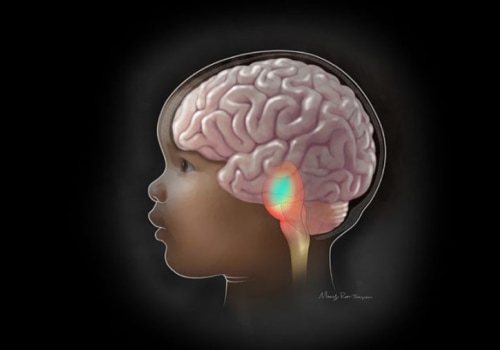

The field of cancer treatment is undergoing a remarkable transformation, with The field of cancer treatment is undergoing a remarkable transformation, with immunotherapy advancements at the forefront of this revolution. As researchers continue to unlock the mysteries of the immune system, new therapies are emerging that harness the body's natural defenses to combat cancer more effectively than ever before. This shift in approach not only offers hope to patients facing a cancer diagnosis but also challenges traditional paradigms of oncology. In recent years, we have witnessed a plethora of groundbreaking discoveries that have reshaped our understanding of how immunotherapy can be utilized to treat various forms of cancer. From monoclonal antibodies to CAR T-cell therapy and beyond, these innovations are paving the way for more personalized and targeted treatment options.
As we delve into the recent breakthroughs in this exciting area, it becomes evident that the future of cancer treatment may be brighter than ever. This article aims to explore the latest advancements in immunotherapy, highlighting key studies and developments that are pushing the boundaries of what is possible in cancer care. Join us as we navigate through the intricate landscape of modern oncology, where science meets hope, and discover how these immunotherapy advancements are not just changing lives but also redefining the very essence of cancer treatment. Recent advancements in immunotherapy have fundamentally transformed the landscape of cancer treatment, offering new hope to patients battling various types of malignancies. As a form of treatment that harnesses the body's own immune system to fight cancer, immunotherapy has seen remarkable progress over the last few years, leading to the development of innovative drugs, combination therapies, and personalized medicine approaches that are changing how we approach cancer care. One of the most notable advancements in immunotherapy is the emergence of new drug developments. For instance, recent approvals for monoclonal antibodies, which are designed to target specific antigens on cancer cells, have shown promising results in clinical settings.
Drugs like pembrolizumab and nivolumab, both PD-1 inhibitors, have been pivotal in treating melanoma and non-small cell lung cancer, significantly improving survival rates compared to traditional therapies. Combination therapies are also gaining traction as a critical advancement in the field of immunotherapy. By combining different therapeutic agents, such as checkpoint inhibitors with chemotherapy or targeted therapies, researchers have observed enhanced efficacy in treatment outcomes. This approach aims to overcome resistance mechanisms that tumors may develop against single-agent therapies. For example, trials combining atezolizumab with chemotherapy have illustrated significant improvements in progression-free survival for patients with triple-negative breast cancer. Another significant trend is the application of personalized medicine approaches in immunotherapy.
With an increasing understanding of the genetic makeup of tumors, treatments can now be tailored to the individual patient's tumor profile. This precision medicine approach allows for the identification of specific biomarkers that predict a patient's response to immunotherapeutic agents. The use of next-generation sequencing (NGS) technologies has facilitated the identification of these biomarkers, enabling healthcare providers to make informed decisions regarding treatment plans. The impact of these innovations is evidenced by ongoing clinical trials that continue to explore their efficacy across various cancer types. For instance, recent studies have highlighted the effectiveness of With an increasing understanding of the genetic makeup of tumors, treatments can now be tailored to the individual patient's tumor profile. This precision medicine approach allows for the identification of specific biomarkers that predict a patient's response to immunotherapeutic agents. The use of next-generation sequencing (NGS) technologies has facilitated the identification of these biomarkers, enabling healthcare providers to make informed decisions regarding treatment plans. The impact of these innovations is evidenced by ongoing clinical trials that continue to explore their efficacy across various cancer types. For instance, recent studies have highlighted the effectiveness of immunotherapy in treating hematologic malignancies, such as acute lymphoblastic leukemia (ALL) and multiple myeloma.
CAR T-cell therapy, a revolutionary form of immunotherapy, has shown impressive results in these patients by engineering their T-cells to more effectively target and eliminate cancer cells. Success stories abound in the realm of immunotherapy, showcasing its potential. One notable example is the case of a patient with advanced melanoma who achieved complete remission after undergoing treatment with a combination of nivolumab and ipilimumab. Such cases not only highlight the effectiveness of these therapies but also serve as powerful testimonials to the hope they offer patients and their families. Despite these advancements, it is essential to acknowledge that there are ongoing research efforts and discussions regarding the limitations and challenges posed by immunotherapy. Some patients do not respond to treatment, and researchers are actively investigating why certain tumors evade immune detection.
Additionally, there are debates concerning the long-term effects and safety profiles of these treatments. Experts emphasize the importance of continual research to address these gaps. Dr. James Allison, a Nobel laureate known for his work on T-cell regulation and immunotherapy, once stated, "The future is bright for immunotherapy, but we need more data to understand how best to utilize these tools." This highlights both the optimism surrounding advancements and the necessity for ongoing investigation. Furthermore, differing opinions within the field regarding optimal treatment protocols and patient selection criteria reflect the complexity of immunotherapy.
Some researchers advocate for broader access to these therapies, arguing that early-stage cancers could also benefit from immunotherapy, while others caution against widespread use without sufficient evidence from clinical trials. In conclusion, while controversies remain, it is clear that recent breakthroughs in immunotherapy are reshaping cancer treatment paradigms. As research progresses and new strategies emerge, patients can remain hopeful for more effective treatments tailored to their unique cancer profiles.
Ongoing Clinical Trials
As the field of immunotherapy advancements continues to evolve, numerous clinical trials are underway, exploring innovative approaches to harness the body’s immune system in the fight against cancer. These trials are crucial for understanding how different immunotherapeutic agents can be optimized for various types of cancer, leading to more personalized treatment options. Current clinical trials focus on a variety of goals, including assessing the efficacy of new drug combinations, determining optimal dosing regimens, and identifying specific biomarkers that could predict patient responses. For instance, some trials investigate the use of check-point inhibitors, which have shown promise in enhancing the immune response against tumors. Participant criteria for these trials vary depending on the specific goals and hypotheses being tested.Typically, participants must meet certain inclusion criteria such as having a confirmed diagnosis of cancer, being within a specific age range, and having not received prior treatments that might interfere with trial results. Exclusion criteria may include certain pre-existing health conditions or concurrent medications that could affect immune function. Overall, ongoing clinical trials represent a beacon of hope in the landscape of cancer treatment. They not only aim to improve existing therapies but also strive to discover entirely new ways to empower the immune system against cancer.
Understanding Immunotherapy
Immunotherapy is a revolutionary approach in the field of cancer treatment that harnesses the body's own immune system to fight cancer. Unlike traditional therapies such as chemotherapy and radiation, which target cancer cells directly, immunotherapy works by stimulating or enhancing the immune response to recognize and attack cancer cells more effectively. The mechanism of action for immunotherapy varies depending on the type of treatment.One of the most common forms is immune checkpoint inhibitors, which block proteins that prevent immune cells from attacking cancer. By inhibiting these checkpoints, immunotherapy allows T-cells to recognize and destroy cancer cells more efficiently. Other types of immunotherapy include monoclonal antibodies, which are engineered to target specific antigens on cancer cells, and CAR T-cell therapy, where patients' T-cells are modified to better target cancer. These innovative methods represent a significant shift in how we approach cancer treatment, aiming not just to eradicate tumors but also to provide long-lasting immunity against cancer recurrence. The significance of immunotherapy lies in its ability to provide hope where traditional therapies may have failed. Many patients who were once considered untreatable have experienced remarkable responses to immunotherapy, leading to prolonged survival and improved quality of life.
Recent Advancements
In recent years, immunotherapy has made remarkable strides in cancer treatment, leading to the approval of several groundbreaking drugs.Notable among these is nivolumab, a monoclonal antibody that targets the PD-1 pathway, which has shown efficacy in treating various malignancies including melanoma and lung cancer. In clinical trials, patients treated with nivolumab have experienced significant survival benefits compared to those receiving traditional therapies. Another exciting advancement is the approval of car T-cell therapies, such as tisagenlecleucel and axicabtagene ciloleucel, which represent a new frontier in personalized medicine. These therapies involve modifying a patient’s own T-cells to better recognize and attack cancer cells. Clinical trials have reported remarkable response rates, particularly in certain types of leukemia and lymphoma, providing hope where conventional treatments have failed. Furthermore, recent studies have highlighted the potential of combining different immunotherapeutic agents to enhance efficacy.
For instance, trials combining checkpoint inhibitors with targeted therapies are showing promise in improving patient outcomes across a range of cancer types. The landscape of cancer treatment is evolving rapidly, and these advancements in immunotherapy not only provide new options for patients but also signify a shift towards more effective and targeted approaches in oncology. As research continues to unfold, the medical community remains optimistic about the future of immunotherapy, with ongoing trials paving the way for even more innovative treatments.
Patient Resources and Support
As immunotherapy continues to revolutionize cancer treatment, it is essential for patients and their families to have access to reliable resources and support systems.Support groups
play a crucial role in providing emotional assistance and shared experiences for those undergoing immunotherapy. Many organizations offer both in-person and online support groups, allowing patients to connect with others facing similar challenges. Additionally, numerous informational websites serve as valuable platforms for patients seeking knowledge about their treatment options.Websites such as the American Cancer Society, Cancer Care, and the National Cancer Institute provide comprehensive information about immunotherapy, including potential side effects, what to expect during treatment, and tips for managing symptoms. Furthermore, local hospitals and cancer treatment centers often have dedicated staff who can guide patients to resources tailored specifically for their needs. These resources may include educational materials, counseling services, and connections to community-based organizations that specialize in patient advocacy. For those who prefer personalized support, many healthcare providers also offer access to patient navigators, professionals who assist patients in understanding their treatment journey and connecting them with necessary resources. Empowering patients with knowledge and a supportive network can significantly enhance their experience during immunotherapy.
Impact on Different Cancer Types
Immunotherapy has emerged as a revolutionary approach in the treatment of various types of cancer, harnessing the body’s own immune system to fight cancer cells more effectively. This advancement is particularly significant as it offers new hope to patients who have not responded well to traditional therapies like chemotherapy and radiation. One of the most notable examples is in the treatment of melanoma, a type of skin cancer.The introduction of immune checkpoint inhibitors, such as pembrolizumab and nivolumab, has dramatically improved survival rates for advanced melanoma patients. These drugs work by blocking proteins that prevent T cells from attacking cancer cells, enabling a more robust immune response. Another area of remarkable progress is in lung cancer treatment. Immunotherapy agents like atezolizumab have shown promising results, leading to prolonged survival in non-small cell lung cancer (NSCLC) patients. This therapy is particularly beneficial for patients with high levels of PD-L1 expression, marking a shift towards personalized medicine. Furthermore, bladder cancer has also seen significant advancements with immunotherapy.
Agents such as avelumab and durvalumab are now approved for treating advanced bladder cancer, providing new options for patients who have not responded to traditional therapies. The success of immunotherapy extends even to hematologic cancers. For instance, CAR T-cell therapy has been groundbreaking in treating certain types of leukemia and lymphoma. By modifying a patient’s T cells to better recognize and attack cancer cells, this therapy has led to complete remission in some cases where other treatments failed. Overall, the impact of immunotherapy across different cancer types is profound, reshaping treatment paradigms and offering renewed hope to many patients and their families. As research continues, the potential applications of immunotherapy could expand even further, paving the way for more targeted and effective cancer treatments in the future.
Future Directions
As the field of cancer treatment evolves, immunotherapy advancements are poised to revolutionize patient care further.Current research is paving the way for novel approaches that could enhance the efficacy and accessibility of these therapies. One promising direction is the development of combination therapies. Researchers are investigating how to pair immunotherapy with traditional treatments such as chemotherapy and radiation. This synergistic approach aims to boost the overall effectiveness of treatment, potentially leading to improved patient outcomes. Another exciting trend is the exploration of personalized immunotherapy. By leveraging genetic and molecular profiling of tumors, scientists hope to tailor treatments specifically to individual patients.
This could not only enhance the effectiveness of immunotherapy but also minimize adverse effects, making treatment more tolerable for patients. Furthermore, advancements in technology, such as artificial intelligence and machine learning, are expected to play a significant role in identifying new targets for immunotherapy. These technologies can analyze vast amounts of data to uncover patterns that may lead to the discovery of new biomarkers and therapeutic agents. The ongoing research into novel immune checkpoint inhibitors and CAR T-cell therapies also holds great promise. By overcoming resistance mechanisms that tumors employ against the immune system, these therapies could significantly expand the range of cancers treatable by immunotherapy.Finally, with increasing clinical trials underway, the future of immunotherapy appears bright. The medical community is optimistic that breakthroughs in this field will continue to emerge, ultimately providing hope and improved outcomes for patients battling cancer. In this article, we explored the advancements in immunotherapy, shedding light on its growing significance in the realm of cancer treatment.
We discussed various recent breakthroughs that have caught the attention of the medical community, illustrating how these innovations are reshaping the landscape of cancer care. As we emphasized, the impact of immunotherapy extends across different cancer types, offering new hope to patients and their families. The ongoing clinical trials are a testament to the commitment of researchers and healthcare professionals to push the boundaries of what is possible in cancer treatment. It is vital to recognize that continued research in immunotherapy is essential for unlocking its full potential and transforming the lives of countless individuals affected by cancer. We encourage our readers to stay informed about these advancements and consider participating in clinical trials when appropriate, as they represent a crucial avenue for gaining access to cutting-edge therapies.