
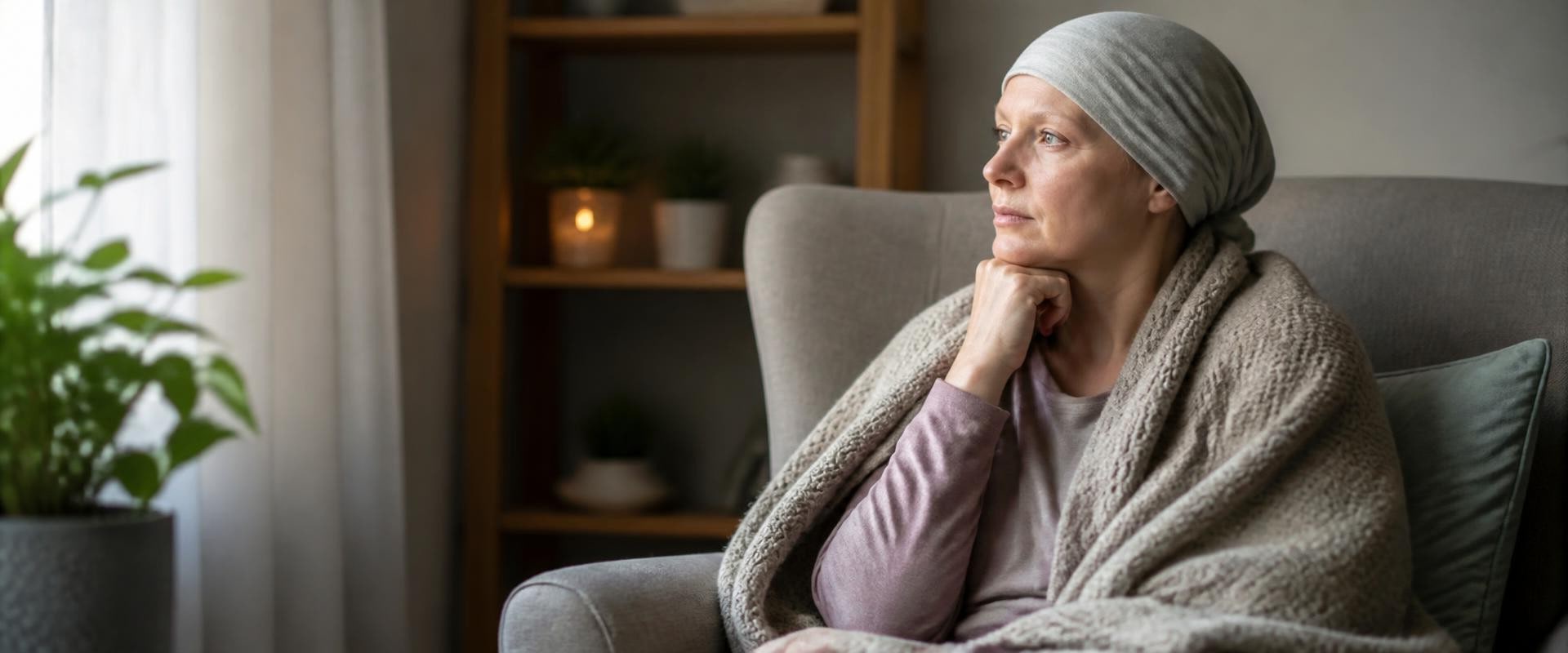
Cancer treatment is a challenging journey, and one of the most daunting aspects for patients and their families is dealing with the side effects that often accompany therapies like chemotherapy and radiation. As vital as these treatments are in fighting cancer, they can also bring about a host of physical and emotional challenges that can significantly impact a patient's quality of life. Understanding how to effectively navigate these side effects is crucial for maintaining hope and resilience throughout the treatment process. In this article, we will delve into the complexities of managing the side effects of treatment, offering insights, strategies, and support systems that can help patients cope with the myriad changes they may experience. From nausea and fatigue to emotional turmoil and changes in appetite, the effects of treatment can vary widely among individuals.
Therefore, it is essential to equip oneself with knowledge and resources that empower patients and their loved ones. Join us as we explore practical tips, expert advice, and personal stories that illuminate the path through one of the most challenging aspects of cancer care. By understanding what to expect and how to manage side effects, we can foster a sense of control and hope in an otherwise uncertain journey. Let’s take the first steps together toward navigating these challenges with confidence.
Managing side effects of treatment
is a crucial aspect of the cancer care journey, especially for those undergoing chemotherapy and radiation therapy. These treatments are essential for combating cancer, yet they often come with a host of challenging side effects that can severely impact a patient's quality of life.Common side effects include nausea, fatigue, hair loss, and changes in the skin. Understanding these side effects is the first step toward effective management. Research indicates that up to 70-80% of patients receiving chemotherapy experience some level of nausea, which can range from mild discomfort to debilitating episodes that interfere with daily activities. According to a study published in the Journal of Clinical Oncology, approximately 40% of patients report significant fatigue during their treatment, affecting their ability to work, socialize, and engage in self-care. Additionally, hair loss affects nearly 65% of those undergoing chemotherapy, leading to emotional distress and impacting self-esteem. Patient testimonials reveal the profound impact of these side effects.
One patient shared, "I was unprepared for the level of fatigue I experienced. It felt like I was carrying a heavy weight just to get out of bed each day." Another remarked on the emotional toll of hair loss, stating, "Losing my hair made me feel like I was losing my identity. It was one of the hardest parts of my treatment journey." These real-world experiences underscore the importance of addressing side effects comprehensively. Management strategies for these side effects vary, but effective approaches often include a combination of medication, dietary adjustments, and supportive therapies. For instance, anti-nausea medications such as ondansetron or granisetron are frequently prescribed to manage nausea associated with chemotherapy.
Dietary changes, such as eating smaller, more frequent meals or avoiding strong odors, can also help mitigate nausea. Patients have reported relief from acupuncture treatments for nausea and fatigue, highlighting the role of complementary therapies in managing symptoms. A case study featuring a breast cancer patient illustrates how an integrated management approach can improve outcomes. Initially struggling with severe fatigue and nausea that hindered her daily life, she began a regimen that included anti-nausea medication alongside acupuncture sessions and nutritional counseling. Over a few weeks, she noted a significant reduction in her symptoms, stating, "I started to feel more like myself again and was able to enjoy time with my family during treatment." This example showcases the potential effectiveness of combining conventional and complementary therapies. However, there are disagreements regarding the effectiveness of certain management techniques.
Some experts advocate for traditional medical approaches while others champion alternative therapies. A review published in Cancer Treatment Reviews examined various clinical trials on acupuncture and found that it could significantly reduce treatment-related nausea and fatigue for some patients. Meanwhile, other studies emphasize the importance of evidence-based dietary modifications over unproven remedies. It is essential for patients to consult with their healthcare providers to create tailored management plans based on their specific needs and experiences. In conclusion, effectively managing side effects of treatment is integral to enhancing the quality of life for cancer patients undergoing chemotherapy and radiation therapy.
By understanding the common side effects and employing a variety of management strategies—from medication to supportive therapies—patients can navigate their treatment journeys more successfully.
The Role of Support Systems
Managing side effects of treatment is not solely the responsibility of the patient; it requires a comprehensive support system that includes healthcare teams, family, and support groups. These entities play a crucial role in alleviating the burden of side effects associated with cancer treatments like chemotherapy and radiation. Firstly, the healthcare team is essential in providing medical advice and interventions tailored to each patient's specific needs. Oncologists, nurses, and pharmacists can offer guidance on managing symptoms, adjusting medication doses, and prescribing supportive therapies. They are also instrumental in monitoring patients' progress and ensuring that side effects do not hinder treatment efficacy. Secondly, family support is invaluable during this challenging time.Family members often provide emotional encouragement and practical assistance, such as helping with daily tasks or attending appointments. Their understanding and compassion can significantly impact a patient's morale and resilience, making it easier to cope with the physical and emotional challenges posed by treatment side effects. Finally, support groups offer a sense of community for those undergoing similar experiences. Connecting with others who are facing similar challenges can provide emotional relief and practical tips for managing side effects. Sharing experiences fosters a sense of belonging and helps patients realize they are not alone in their journey. In conclusion, a robust support system involving healthcare teams, family, and support groups is vital for effectively managing the side effects of treatment.
By leveraging these resources, patients can enhance their quality of life and maintain their commitment to fighting cancer.
Strategies for Managing Side Effects
Managing the side effects of cancer treatment is crucial for maintaining a patient’s quality of life. There are several strategies that can help alleviate these effects, ranging from medications to lifestyle changes and alternative therapies.Medications
play a vital role in managing side effects. For instance, anti-nausea medications can significantly reduce the discomfort associated with chemotherapy. Pain relievers, such as acetaminophen or ibuprofen, can help manage pain caused by treatment.Additionally, specific medications can address other side effects like constipation, diarrhea, or fatigue, and should be discussed with a healthcare provider for tailored recommendations. Lifestyle changes can also make a significant difference in how patients cope with side effects. Maintaining a balanced diet rich in fruits, vegetables, and whole grains can enhance overall health and boost the immune system. Staying hydrated is essential, as it helps mitigate fatigue and maintain energy levels. Regular physical activity, within limits set by the healthcare team, can improve mood and physical functioning. Alternative therapies may provide additional relief from side effects.
Techniques such as acupuncture, massage therapy, and yoga have been shown to help reduce pain and anxiety associated with cancer treatments. Mindfulness practices like meditation can also assist in managing stress and improving emotional well-being during treatment. Ultimately, a combination of these strategies tailored to individual needs can lead to improved management of treatment-related side effects. It is essential for patients to communicate openly with their healthcare providers about their experiences and any side effects they encounter, allowing for adjustments to their care plans as necessary.
Patient Stories: Real-Life Experiences
Understanding the managing side effects of treatment is vital for cancer patients, and personal stories can provide inspiration and practical insights. Many patients have faced the daunting challenges of side effects but have found ways to cope and thrive. One patient, Sarah, underwent chemotherapy for breast cancer and experienced severe nausea.After struggling through her first few cycles, she decided to explore different dietary options. By incorporating ginger tea and small, frequent meals, she managed to significantly reduce her nausea levels. Sarah’s story highlights the importance of actively seeking solutions and customizing one’s approach to manage side effects. Another patient, John, faced fatigue during his radiation therapy for prostate cancer. He learned about the importance of maintaining a balanced diet and incorporating light exercise into his routine.
With the help of his oncologist, he developed a structured plan that included walking and gentle yoga. This not only helped him combat fatigue but also improved his overall mood and sense of well-being. Furthermore, Lisa, who underwent both chemotherapy and radiation for lung cancer, shared how meditation and mindfulness practices played a crucial role in managing her anxiety and emotional distress related to treatment. By attending local support groups and practicing meditation daily, she found a sense of peace that allowed her to better handle her side effects. These personal accounts exemplify how different approaches to managing side effects of treatment can lead to improved quality of life. Each patient’s journey is unique, but their experiences serve as a valuable reminder that with determination and the right strategies, it is possible to navigate the challenges posed by treatment side effects.
Understanding Common Side Effects
Chemotherapy and radiation therapy are cornerstone treatments in the fight against cancer, but they often come with a range of side effects that can significantly impact a patient's daily life.Understanding these side effects is crucial for effective management and maintaining quality of life during treatment. One of the most common side effects of chemotherapy is fatigue. This overwhelming sense of tiredness can stem from the body working hard to recover from treatment, as well as from anemia or other blood-related issues caused by chemotherapy drugs. Fatigue can affect daily activities, making it challenging to engage in work, social interactions, or even simple tasks at home. Another frequent side effect is nausea and vomiting. These symptoms can occur due to the way chemotherapy affects the gastrointestinal tract and the brain's vomiting center.
Patients may find that their appetite decreases, leading to unintentional weight loss and nutritional deficiencies, which can further complicate their recovery process.
Hair loss
is also commonly associated with chemotherapy. This occurs because chemotherapy targets rapidly dividing cells, including those in hair follicles. While hair loss is often temporary, it can have a profound emotional impact on patients, affecting their self-esteem and body image.Radiation therapy
can lead to skin reactions in the area being treated. Patients may experience redness, itching, or even peeling skin as a result of radiation exposure.These reactions can be uncomfortable and may require special care to manage. Another side effect of radiation is changes in taste and smell. This can make eating less enjoyable and may lead to decreased food intake, affecting overall health. In some cases, patients may also experience dry mouth or difficulty swallowing, which can further complicate nutrition. Lastly, both chemotherapy and radiation can impact immune function, increasing susceptibility to infections. Patients may find that they need to take extra precautions to avoid illness, which can affect their social interactions and overall lifestyle. By understanding these common side effects, patients can better prepare for their treatment journey and work with healthcare providers to develop effective management strategies that enhance their quality of life. In conclusion, effectively managing side effects of cancer treatment is crucial for enhancing the overall quality of life for patients undergoing therapies such as chemotherapy and radiation.
Throughout this article, we have explored common side effects associated with these treatments, outlined various strategies for managing them, and highlighted the importance of robust support systems. Additionally, real-life patient stories have illustrated the significant impact that effective side effect management can have on treatment experiences. It is vital for patients to take an active role in their care by consulting with healthcare professionals to develop personalized plans tailored to their unique needs. This collaboration can lead to improved outcomes and a more positive treatment journey. Remember, addressing side effects not only enhances physical well-being but also fosters emotional resilience, allowing patients to focus on what truly matters: their fight against cancer.