In recent years, the landscape of cancer care has undergone a profound transformation, driven by the integration of advanced technologies. Among these innovations, AI and machine learning in oncology have emerged as powerful tools that promise to revolutionize diagnosis, treatment, and patient outcomes. As we delve into the intricacies of this cutting-edge domain, it becomes increasingly clear that the future of cancer research is not just about understanding the disease at a molecular level, but also about harnessing the capabilities of artificial intelligence to enhance our approach. Imagine a world where oncologists can predict treatment responses with remarkable accuracy or identify potential complications before they arise. This is no longer the stuff of science fiction; it is becoming a reality thanks to the application of machine learning algorithms that analyze vast datasets in ways that were previously unimaginable.
From genomic data to imaging studies, these technologies are capable of uncovering patterns and insights that enable personalized treatment strategies tailored to individual patients. However, the journey toward fully realizing the potential of AI in oncology is fraught with challenges. Ethical considerations, data privacy issues, and the need for robust validation processes are just a few of the hurdles researchers and clinicians must navigate. As we explore these themes further, we will highlight not only the advancements made but also the critical questions that arise as we embrace this technological revolution. Join us as we embark on an exploration of how AI and machine learning are shaping the future of cancer research and care. This article will provide insights into current applications, future directions, and the transformative impact these technologies are poised to have on oncology. The integration of AI and machine learning in oncology represents a paradigm shift in cancer care, revolutionizing how healthcare professionals diagnose and treat cancer.
These technologies are not just buzzwords; they are becoming essential tools in various applications within the field of oncology. One significant area where AI is making strides is in predictive analytics for patient outcomes. By leveraging algorithms that analyze vast datasets, researchers can identify patterns and trends that may not be apparent to human analysts. This ability to predict outcomes can lead to more timely interventions and improved survival rates. Another critical application of AI and machine learning is in image analysis for early detection of tumors.
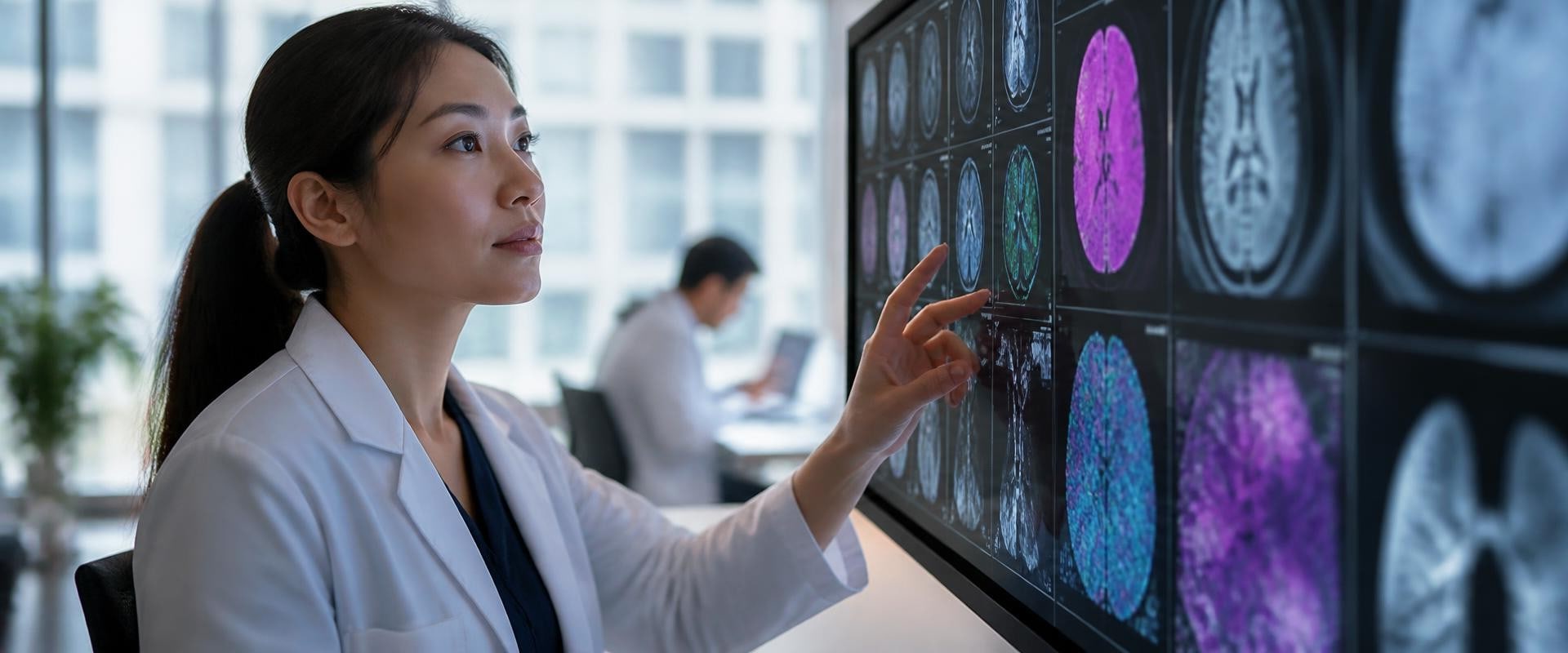
Traditional methods of interpreting imaging studies, such as CT scans and MRIs, rely heavily on the expertise of radiologists. However, AI algorithms have demonstrated remarkable capabilities in detecting abnormalities in these images, often with greater accuracy and speed than human counterparts. For instance, some AI tools have been developed specifically for identifying lung nodules or breast tumors, enabling earlier diagnosis and treatment planning. The role of AI extends beyond diagnostics; it also plays a pivotal part in the drug discovery processes. The pharmaceutical landscape has always been characterized by lengthy and costly research and development cycles.
However, machine learning models can analyze biological data and chemical properties to predict which drug candidates are most likely to succeed in clinical trials. This not only accelerates the discovery phase but also reduces costs significantly. An example of this is the use of machine learning algorithms to identify potential compounds for targeting specific cancer pathways, leading to more effective therapies. A key strength of AI algorithms is their ability to process and analyze vast quantities of data quickly. This capability allows them to identify subtle patterns that human researchers might overlook.
For instance, in genomics, machine learning can analyze genetic profiles to help oncologists develop personalized treatment plans tailored to individual patients' needs. Algorithms have been created that assess patient data, including genomic sequencing results, to recommend the most effective therapies based on similar cases. However, the deployment of AI in oncology is not without its challenges. Ethical considerations arise regarding data privacy, algorithmic bias, and the potential for over-reliance on technology in clinical decision-making. Ensuring that AI systems are trained on diverse datasets is crucial to avoid biases that could lead to disparities in care.
Moreover, healthcare professionals must remain vigilant and maintain a role in decision-making processes, using AI tools as aids rather than replacements for human expertise. Despite these challenges, there is a burgeoning interest in the ongoing clinical trials that utilize AI and machine learning technologies. These trials aim to validate the effectiveness of various AI applications in real-world settings and explore their implications for future cancer research. For example, some studies are focused on integrating AI tools into routine clinical workflows, assessing how these technologies can enhance decision-making in treatment planning or patient monitoring. The future of cancer care is undoubtedly intertwined with advancements in AI and machine learning. As these technologies continue to evolve, their potential to enhance cancer diagnosis, personalize treatment options, and ultimately improve patient outcomes will likely expand.
The intersection of technology and oncology holds promise not only for healthcare professionals but also for patients and caregivers who seek a deeper understanding of their treatment options. Embracing these innovations will pave the way for more effective cancer care strategies and contribute significantly to the ongoing quest for improved outcomes in oncology.
Ethical Considerations and Challenges
The integration of AI and machine learning into oncology presents significant advancements, but it also raises important ethical considerations that must be addressed. One of the primary concerns revolves around data privacy. As healthcare systems increasingly leverage patient data to train algorithms, the risk of compromising sensitive information grows.Patients expect their health data to be protected, yet the use of AI systems can create vulnerabilities if these safeguards are not rigorously enforced. Additionally, there is a pressing need to consider algorithmic bias. AI systems are only as good as the data used to train them. If the datasets reflect existing inequalities or are not representative of diverse populations, the algorithms may inadvertently perpetuate disparities in cancer care. This can lead to misdiagnoses or ineffective treatment recommendations for underrepresented groups, ultimately exacerbating health inequities. Thus, it is essential for stakeholders in oncology, including researchers, clinicians, and policymakers, to engage in ongoing discussions about these ethical implications.
Establishing robust frameworks for the responsible use of AI in oncology is critical to ensuring that technological advancements contribute positively to patient care while upholding ethical standards.
AI in Drug Discovery: Speeding Up Research
AI plays a transformative role in the field of drug discovery, significantly accelerating the processes involved in identifying new therapeutic agents. Traditional drug discovery methods can be time-consuming and costly, often taking years to bring a new drug to market. However, with the integration of machine learning algorithms, researchers can streamline these processes and enhance their efficiency. One of the primary applications of AI in drug discovery is virtual screening. This technique allows scientists to use computational models to evaluate a vast library of chemical compounds quickly.By predicting how these compounds will interact with specific biological targets, AI can prioritize the most promising candidates for further testing. This not only reduces the time required to identify potential drugs but also minimizes the resources spent on less viable options. Additionally, AI systems are capable of predicting drug interactions, which is crucial for ensuring patient safety and efficacy in treatment regimens. By analyzing large datasets from previous clinical trials and patient records, machine learning models can identify patterns that may indicate how different drugs interact with one another. This predictive capability enables researchers to avoid harmful combinations and optimize treatment strategies tailored to individual patient needs. The incorporation of AI technologies into drug discovery is fostering a new era of innovation in oncology, where faster and more accurate drug development processes hold the promise of better patient outcomes and personalized treatments.
Personalized Treatment Plans through Machine Learning
Machine learning is revolutionizing the way oncologists approach treatment planning for cancer patients.By analyzing vast amounts of individual patient data, including genetic information, tumor characteristics, and treatment history, machine learning algorithms can identify patterns and predict how patients are likely to respond to various therapies. This capability allows healthcare providers to create personalized treatment plans that are tailored specifically to each patient’s unique profile. The traditional one-size-fits-all approach to cancer treatment often results in ineffective therapies and unnecessary side effects. In contrast, machine learning enhances the precision of treatment recommendations, ensuring that patients receive the most effective interventions while minimizing adverse reactions. For instance, algorithms can analyze data from previous patients with similar profiles to forecast which treatments are most likely to succeed. Furthermore, as machine learning technologies evolve, they continue to integrate new data sources, such as clinical trials, real-world evidence, and patient-reported outcomes.
This continuous learning process not only refines existing treatment protocols but also paves the way for innovative approaches that can better adapt to a patient’s changing condition over time. Overall, the incorporation of machine learning in oncology signifies a shift towards more informed decision-making in cancer care. As healthcare professionals increasingly adopt these advanced tools, the potential for improved efficacy in treatment and enhanced patient outcomes becomes more attainable.
Clinical Trials: The Future with AI
The integration of AI into clinical trials is revolutionizing the way research is conducted in oncology. By enhancing patient recruitment, monitoring, and data analysis, AI technologies are paving the way for more efficient and effective trials. One of the key challenges in clinical trials is recruiting the right patients. Traditional methods can be time-consuming and often fail to reach diverse populations.AI algorithms can analyze vast datasets from electronic health records and other sources to identify potential candidates who meet specific criteria. This not only speeds up the recruitment process but also helps ensure that the trial population is representative, ultimately leading to more generalizable results. Once patients are enrolled, monitoring their health and treatment responses is crucial.
AI
tools can facilitate real-time monitoring through wearable devices and mobile applications, enabling researchers to track vital signs and other health indicators continuously. This continuous data stream allows for prompt adjustments to treatment plans based on individual patient responses, enhancing overall safety and efficacy. Moreover, the analysis of data generated during clinical trials can be significantly enhanced through AI.Machine learning algorithms can sift through large volumes of data to identify patterns and correlations that may be missed by human analysts. This capability not only accelerates the pace of discovery but also supports the development of personalized treatment strategies tailored to individual patient needs. In summary, the application of AI in clinical trials offers a promising avenue for improving cancer research. By streamlining patient recruitment, enhancing monitoring processes, and optimizing data analysis, these technologies are set to transform the landscape of oncology clinical trials.
Revolutionizing Diagnosis: AI in Imaging
The integration of AI into imaging technologies is significantly transforming the landscape of cancer diagnosis. Through the use of advanced algorithms, particularly in radiomics and deep learning, healthcare professionals are now able to enhance diagnostic accuracy and efficiency.Radiomics
involves extracting a large number of features from medical images using data-characterization algorithms.These features can then be analyzed to uncover patterns that may be indicative of specific cancer types or stages. By leveraging AI, radiomics can identify subtle changes in imaging that may not be visible to the human eye, leading to earlier and more accurate diagnoses. Furthermore, deep learning techniques have revolutionized how images are processed and interpreted. These techniques employ neural networks that can learn from vast datasets of medical images, improving their ability to recognize tumors, assess their characteristics, and predict patient outcomes. As these systems continue to evolve, they promise to reduce diagnostic errors and enhance the precision of cancer detection. The rise of AI-powered imaging tools has garnered significant interest from patients, caregivers, and healthcare professionals alike.
The potential for these technologies to streamline the diagnostic process and provide personalized insights into patient care is driving a new era in oncology that prioritizes accuracy and individualized treatment strategies. As we have explored, the integration of AI and machine learning in oncology is poised to significantly transform cancer care. From revolutionizing diagnosis through advanced imaging techniques to creating personalized treatment plans that cater to the unique needs of each patient, these technologies are reshaping the landscape of cancer treatment. The acceleration of drug discovery and the potential for more efficient clinical trials further illustrate the promise of these innovations. However, the journey is not without challenges. Ethical considerations must be at the forefront as we navigate the complexities of implementing AI in healthcare.
It is crucial for researchers, clinicians, patients, and policymakers to collaborate and address these issues collectively. In conclusion, the future of oncology is bright with the advancements in AI and machine learning. As these technologies continue to evolve, it is essential for all stakeholders to remain informed about ongoing research and clinical trials. Staying engaged with these developments could open new avenues for treatment options that may benefit patients and their families.