
Understanding the evolution of cancer rates over time is crucial not only for healthcare professionals but also for policymakers and the general public.
Historical trends in cancer rates
provide invaluable insights into how various factors, such as lifestyle changes, environmental influences, and advances in medical technology, have shaped the landscape of this complex disease. As we delve into this topic, we uncover patterns that reveal not just statistics, but also the stories behind these numbers—stories of progress, challenges, and the relentless pursuit of better health outcomes. The significance of analyzing these historical trends cannot be overstated. By examining data spanning decades, we can identify peaks and troughs in cancer incidence, mortality rates, and survival statistics.This analysis allows us to understand the impact of public health initiatives, the effectiveness of screening programs, and the role of emerging treatments in improving patient outcomes. Moreover, it sheds light on disparities across different populations, helping us to address inequalities in cancer care. As we journey through the annals of cancer statistics, we will explore how societal shifts—such as changes in smoking habits, diet, and physical activity—have influenced cancer prevalence. We will also consider the effects of aging populations and advancements in diagnostic techniques that have transformed our understanding of cancer. The insights gained from this exploration not only inform current practices but also guide future research and interventions aimed at combating this multifaceted disease. Join us as we embark on this insightful exploration of This analysis allows us to understand the impact of public health initiatives, the effectiveness of screening programs, and the role of emerging treatments in improving patient outcomes. Moreover, it sheds light on disparities across different populations, helping us to address inequalities in cancer care. As we journey through the annals of cancer statistics, we will explore how societal shifts—such as changes in smoking habits, diet, and physical activity—have influenced cancer prevalence. We will also consider the effects of aging populations and advancements in diagnostic techniques that have transformed our understanding of cancer. The insights gained from this exploration not only inform current practices but also guide future research and interventions aimed at combating this multifaceted disease. Join us as we embark on this insightful exploration of historical trends in cancer rates, where each statistic tells a story and every trend holds the potential for breakthroughs in our fight against cancer. The evolution of cancer rates over the decades reveals a complex narrative of progress, challenges, and ongoing public health efforts.
Historically, the incidence and mortality rates of various cancers have fluctuated due to a multitude of factors, including lifestyle changes, advancements in medical technology, and shifts in public health policies. Understanding these historical trends is crucial for patients, caregivers, healthcare professionals, and researchers alike, as it informs treatment advancements and preventive measures. In the early 20th century, cancers such as Historically, the incidence and mortality rates of various cancers have fluctuated due to a multitude of factors, including lifestyle changes, advancements in medical technology, and shifts in public health policies. Understanding these historical trends is crucial for patients, caregivers, healthcare professionals, and researchers alike, as it informs treatment advancements and preventive measures. In the early 20th century, cancers such as lung cancer were relatively rare. However, with the rise of smoking as a widespread social habit following World War II, lung cancer rates began to skyrocket. According to data from the American Cancer Society, the incidence of lung cancer increased dramatically in the 1950s and 1960s, leading to a corresponding rise in mortality rates.
It wasn't until the late 20th century that public health initiatives targeting smoking cessation began to show an impact, contributing to a gradual decline in lung cancer rates among men. By contrast, however, lung cancer rates among women continued to rise well into the 21st century before they too began to decline as smoking rates fell. Similarly, the incidence of breast cancer has undergone significant changes. The introduction of mammography in the late 20th century played a pivotal role in early detection and diagnosis. As screening became more widespread, breast cancer incidence rates surged in the 1980s due to increased detection of early-stage cancers.
However, this was followed by a notable decline in mortality rates in the 1990s and beyond, attributed to improvements in treatment options such as targeted therapies and hormonal treatments. The evolution of breast cancer rates serves as a testament to how enhanced screening and treatment can lead to better outcomes for patients. In contrast, prostate cancer rates have also shown a unique trajectory. The implementation of prostate-specific antigen (PSA) testing in the 1990s led to a dramatic increase in reported cases as more men were diagnosed with early-stage prostate cancer. This spike was followed by a subsequent decrease in mortality rates due to advancements in treatment methods and increased awareness of the disease.
However, there has been ongoing debate within the medical community regarding the overdiagnosis associated with PSA testing and its implications for patient care. Key factors influencing these trends include not only advancements in screening and treatment but also lifestyle changes that have emerged over time. A shift towards sedentary lifestyles and poor dietary habits has contributed to rising rates of certain cancers, such as colorectal cancer, particularly among younger populations. On the other hand, heightened public awareness about healthy living and preventive measures has led to declines in incidence rates for cancers linked to tobacco use and poor diet. The role of public health initiatives cannot be understated when discussing historical trends in cancer rates. Campaigns aimed at promoting healthy lifestyles, increasing awareness about risk factors, and encouraging regular screenings have proven effective in altering public behavior.
The success of initiatives like 'No Tobacco Day' or breast cancer awareness campaigns exemplifies how targeted efforts can lead to significant changes in cancer statistics. Despite these advancements and trends, there remain disagreements within the research community regarding interpretations of cancer rate data. Factors such as variations in diagnostic criteria, differences in population demographics, and even disparities in healthcare access can lead to conflicting conclusions about trends over time. For instance, while some studies may indicate that certain cancers are on the rise due to better diagnostic practices, others may argue that actual incidence rates are stable or declining. In conclusion, exploring historical trends in cancer rates not only highlights the successes achieved through medical advances but also underscores the ongoing challenges faced by society. By examining these trends over decades, we can better understand the interplay between lifestyle choices, public health initiatives, and scientific progress—all of which inform future strategies for combating this formidable disease.
Future Trends: Predictions and Ongoing Research
As we delve into the future trends of cancer statistics, it is essential to consider the ongoing research that is shaping our understanding of this disease.Current studies are focusing on a range of factors, including genetic predispositions, environmental influences, and lifestyle choices that contribute to cancer development. Researchers are leveraging advanced technologies, such as genomics and artificial intelligence, to analyze vast datasets and identify patterns that could lead to more effective treatments. One significant area of research is the investigation into personalized medicine, which tailors treatment plans based on an individual’s unique genetic makeup. This approach not only improves patient outcomes but also has the potential to alter future cancer statistics by reducing recurrence rates and increasing survival rates. Moreover, studies are exploring the implications of immunotherapy, a revolutionary treatment that harnesses the body’s immune system to fight cancer.
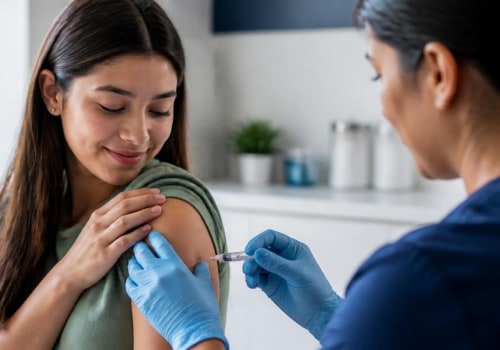
As these therapies continue to evolve, we can expect shifts in the demographic profiles of cancer patients and the types of cancers that are prevalent in society. Additionally, ongoing research into preventive measures, such as vaccination programs against cancer-causing viruses like HPV, is crucial. These initiatives aim to decrease the incidence of certain cancers over time, potentially leading to a decline in overall cancer rates. Public health campaigns focused on early detection through screening and education on lifestyle modifications are also pivotal in shaping future cancer statistics. In conclusion, as scientific advancements continue to unfold, they will undoubtedly influence our understanding of cancer trends. By staying informed about these research trends, patients, caregivers, healthcare professionals, and researchers can better navigate the evolving landscape of cancer care.
Advancements in Detection and Treatment
Over the decades, significant breakthroughs in cancer treatment and detection methods have dramatically influenced survival rates.Early detection has become a critical factor in improving outcomes for cancer patients. The introduction of advanced imaging techniques such as MRI, CT scans, and PET scans has revolutionized the way cancers are diagnosed, allowing for earlier and more accurate identification of tumors. Moreover, advancements in biopsy techniques, including fine-needle aspiration and liquid biopsies, have made it easier to obtain tissue samples with minimal invasiveness. These innovations not only enhance diagnostic accuracy but also help in tailoring personalized treatment plans based on the specific characteristics of the cancer. In terms of treatment, the development of targeted therapies and immunotherapies has marked a new era in oncology. Unlike traditional chemotherapy, which often affects healthy cells, targeted therapies focus on specific molecular targets associated with cancer.
This precision medicine approach has led to improved survival rates for several cancer types. Additionally, the advent of immunotherapy, which harnesses the body's immune system to fight cancer, has shown promising results in treating previously hard-to-treat malignancies. For instance, drugs like checkpoint inhibitors have led to long-lasting remissions in patients with melanoma and lung cancer. The integration of these advanced detection and treatment methods is critical for understanding historical trends in cancer rates. By analyzing how these advancements have impacted patient outcomes over time, healthcare professionals can better predict future trends and refine strategies for prevention and treatment.
Influencing Factors: Lifestyle and Environment
Throughout history, various lifestyle and environmental factors have significantly influenced cancer rates. Understanding these influences is essential for comprehending how cancer statistics have evolved over time.One of the most significant contributors to cancer rates is smoking. In the mid-20th century, as smoking became more prevalent, lung cancer rates soared, leading to increased public health campaigns aimed at reducing tobacco use. These efforts have resulted in a gradual decline in smoking rates and, subsequently, a decrease in lung cancer cases in many populations. Another crucial factor is diet. Changes in dietary habits, including increased consumption of processed foods and reduced intake of fruits and vegetables, have been linked to various cancers.
For instance, obesity has been identified as a major risk factor for several types of cancer, prompting public health initiatives to promote healthier eating habits.
Pollution
also plays a vital role in influencing cancer rates. Environmental pollutants such as heavy metals, pesticides, and industrial chemicals can increase the risk of developing cancer. Regions with higher levels of pollution often report higher incidences of certain cancers, highlighting the need for stricter regulations and cleaner environments. Lastly, genetics cannot be overlooked when discussing historical trends in cancer rates. Advances in genetic research have revealed how inherited mutations can predispose individuals to specific cancers.As our understanding of genetics has improved, so too has our ability to identify at-risk populations and implement targeted screening and prevention strategies. By examining these factors—smoking, diet, pollution, and genetics—we gain valuable insights into the changing landscape of cancer rates over time. This knowledge not only informs public health policies but also shapes future research directions aimed at reducing the burden of cancer on society.
The Rise and Fall of Cancer Incidence
The fluctuations in cancer incidence over the years have been a subject of extensive research and discussion. Historical data reveals a complex landscape of cancer rates, influenced by various factors such as environmental changes, lifestyle choices, and advancements in medical technology. For instance, the American Cancer Society has reported significant trends in cancer incidence since its founding in 1913, highlighting the importance of continuous monitoring and analysis. In the early 20th century, cancer was often underreported, with many cases attributed to other causes.However, as awareness grew and diagnostic techniques improved, we began to see a clearer picture of how cancer rates were evolving. Major studies, such as the Framingham Heart Study, have contributed valuable data on cancer trends over decades, illustrating both rises and falls in incidence. Notably, the incidence of lung cancer saw a dramatic increase in the mid-20th century, closely tied to the rise of smoking among adults. This trend was documented in studies conducted by the World Health Organization, which linked tobacco use to an increased risk of developing various forms of cancer. Conversely, the latter part of the 20th century witnessed a decline in certain cancer types, such as stomach cancer, attributed to improved food preservation methods and public health initiatives. Another pivotal moment in understanding cancer incidence came with the introduction of screening programs, particularly for breast and cervical cancers.
The implementation of mammography and Pap smears led to earlier detection and treatment, which reflected positively in the statistics. The National Cancer Institute has continually updated its databases to reflect these trends, emphasizing that early detection can significantly alter outcomes. Overall, examining historical data on cancer incidence is crucial for identifying patterns that can inform future research and public health strategies. As we continue to analyze these trends, it becomes evident that understanding the rise and fall of cancer rates not only aids healthcare professionals but also empowers patients and caregivers in their fight against this disease.
Public Awareness Campaigns and Their Impact
Public health campaigns have played a crucial role in transforming societal perceptions of cancer preventioncancer prevention and early detection. Over the years, these campaigns have sought to educate the public about the importance of recognizing symptoms, understanding risk factors, and seeking regular screenings.This educational outreach has not only increased awareness but has also led to significant changes in behavior regarding health practices. One of the most notable examples is the widespread promotion of breast cancer awareness, particularly through initiatives like Breast Cancer Awareness Month. Campaigns utilizing the iconic pink ribbon have successfully elevated public consciousness around the disease, encouraging women to engage in self-examinations and mammograms. As a result, early detection rates have increased, leading to better prognosis and survival rates. Similarly, campaigns focused on colorectal cancer have emphasized the importance of screening tests such as colonoscopies. By targeting both healthcare providers and the general public, these initiatives have helped demystify the procedures involved and reduce the stigma associated with them.
Studies show that increased participation in screening programs has directly correlated with declining mortality rates in colorectal cancer. Furthermore, campaigns aimed at promoting a healthy lifestyle—such as anti-smoking initiatives—have had a profound impact on reducing incidence rates of cancers associated with tobacco use. The integration of graphic warning labels on cigarette packages, alongside educational advertisements, has contributed to a cultural shift in how smoking is perceived, especially among younger populations. In summary, public awareness campaigns have been instrumental in changing perceptions surrounding cancer prevention and early detection. By fostering an environment of knowledge and proactive health behavior, these initiatives continue to save lives and shape the future landscape of cancer care. In conclusion, this article has highlighted the significant historical trends in cancer rates, showcasing the rise and fall of incidence over the years and the various factors influencing these patterns. Understanding these trends is crucial for future research and patient care, as it enables healthcare professionals to tailor treatment strategies and preventive measures effectively.
As we move forward, it is essential for both patients and caregivers to remain informed about ongoing clinical trials and advancements in treatment options. Moreover, supporting preventive measures and public awareness campaigns can play a pivotal role in reducing cancer rates and improving outcomes. By staying engaged with the evolving landscape of cancer statistics, we can collectively contribute to a future where cancer is managed more effectively.