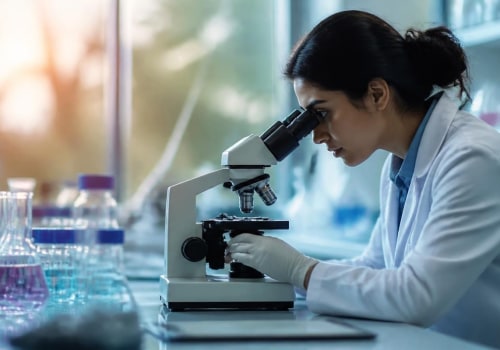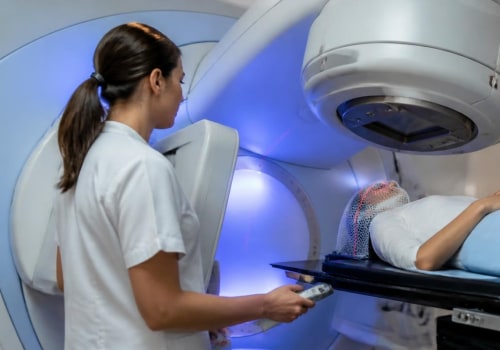

In the fight against cancer, knowledge and proactive measures are our most powerful allies. One of the most critical yet often overlooked strategies in this battle is the importance of regular screenings. These assessments serve as an essential line of defense, enabling early detection and significantly improving treatment outcomes. As we delve deeper into understanding the vital role of regular screenings in . These assessments serve as an essential line of defense, enabling early detection and significantly improving treatment outcomes. As we delve deeper into understanding the vital role of regular screenings in cancer prevention, we unveil how these routine checks can save lives and transform the landscape of healthcare. Every year, millions of individuals face the daunting reality of a cancer diagnosis. . These assessments serve as an essential line of defense, enabling early detection and significantly improving treatment outcomes. As we delve deeper into understanding the vital role of regular screenings in cancer prevention, we unveil how these routine checks can save lives and transform the landscape of healthcare. Every year, millions of individuals face the daunting reality of a cancer diagnosis.
Yet, what many do not realize is that many cancers can be effectively treated or even cured when caught in their early stages. Regular screenings are designed to identify potential health issues before symptoms arise, allowing for timely intervention. By fostering awareness and encouraging individuals to prioritize these essential examinations, we can shift the narrative around cancer from one of fear and uncertainty to one of hope and empowerment. This article will explore not only the types of screenings available but also the critical timelines and guidelines that can help each person navigate their health journey. Whether you’re approaching a certain age or have specific risk factors, understanding how regular screenings fit into your life can be a game changer.
Join us as we unpack the myriad benefits of incorporating these preventive measures into your routine and discover how they play a pivotal role in safeguarding your health.Cancer screenings are an essential component of modern medicine, serving as a proactive approach to identifying cancer in its early stages when treatment is most effective. The Join us as we unpack the myriad benefits of incorporating these preventive measures into your routine and discover how they play a pivotal role in safeguarding your health. Cancer screenings are an essential component of modern medicine, serving as a proactive approach to identifying cancer in its early stages when treatment is most effective. The importance of regular screenings cannot be overstated, as they significantly enhance the chances of successful treatment outcomes and improved survival rates. As medical technology advances, so too do the methods for screening, allowing for earlier detection and intervention. Recent advancements in cancer screening technologies have revolutionized the way healthcare professionals detect and manage various types of cancers. For instance, genetic testing has emerged as a powerful tool that identifies individuals at higher risk for certain cancers based on their genetic makeup.
This enables targeted surveillance and preventive measures for those who may not yet show symptoms. Additionally, cutting-edge imaging techniques, such as high-resolution MRI and 3D mammography, provide clearer and more detailed images of potential tumors, increasing the likelihood of early detection. Moreover, the development of innovative blood tests has opened new avenues for screening. Liquid biopsies, which analyze circulating tumor DNA in the bloodstream, are being researched and implemented to detect cancers such as prostate and pancreatic cancer at much earlier stages. These advancements highlight the critical role that technology plays in enhancing the effectiveness of cancer screenings. Understanding statistics related to cancer prevalence and survival rates is crucial when discussing the importance of regular screenings.
For instance, studies have shown that early detection through routine screenings can dramatically improve survival rates. Breast cancer, when detected early through regular mammograms, has a 99% five-year survival rate. Similarly, cervical cancer screening via Pap tests has led to a significant decline in mortality rates associated with this disease, showcasing the profound impact that these screenings can have on patient outcomes. Successful outcomes from regular screenings are evident across various types of cancer. For example, extensive data indicates that routine mammograms have reduced breast cancer mortality rates by nearly 40% among women aged 40 and older.
Similarly, the implementation of regular Pap tests has contributed to an over 70% decline in cervical cancer deaths since their introduction. These statistics underscore the transformative power of early detection and the pivotal role that regular screenings play in saving lives. Despite the undeniable benefits of regular screenings, several barriers hinder access to these vital services. Factors such as socioeconomic status, geographic location, and lack of awareness can significantly impact an individual's ability to obtain necessary screenings. Many people remain unaware of guidelines or may face logistical challenges in accessing healthcare facilities offering these services.
Addressing these barriers is crucial for improving screening rates and ensuring that all individuals have the opportunity to benefit from early detection. Ongoing clinical trials are critical in enhancing our understanding of effective screening methods and their implications for Addressing these barriers is crucial for improving screening rates and ensuring that all individuals have the opportunity to benefit from early detection. Ongoing clinical trials are critical in enhancing our understanding of effective screening methods and their implications for cancer prevention. Research initiatives are exploring new technologies and approaches that could further refine existing screening protocols or introduce novel strategies for identifying cancers at even earlier stages. These trials not only contribute valuable data but also help pave the way for future advancements in screening technologies. Alongside regular screenings, implementing preventive measures can further bolster efforts in cancer prevention. Lifestyle changes such as adopting a balanced diet, engaging in regular physical activity, avoiding tobacco use, and limiting alcohol consumption can significantly reduce cancer risk.
Awareness campaigns aimed at educating the public about the benefits of screenings and healthy living play a vital role in fostering a culture of preventive health care. In conclusion, the importance of regular screenings in cancer prevention is clear. As technology continues to evolve and improve our capacity for early detection, it is imperative that we embrace these advancements while also addressing barriers to access and promoting comprehensive preventive measures.
Latest Advancements in Screening Technologies
In recent years, significant strides have been made in the field of cancer screening technologies, aiming to enhance accuracy and minimize invasiveness. These innovative technologies are transforming how we detect cancer early, ultimately leading to improved patient outcomes. One of the most promising advancements is the development of liquid biopsy. This method analyzes circulating tumor DNA (ctDNA) in a patient's blood sample, allowing for the detection of various cancers without the need for invasive tissue biopsies.Liquid biopsies offer a less painful alternative and can be used for monitoring treatment response and detecting recurrence. Another exciting innovation is the use of artificial intelligence (AI)) in imaging technologies. AI algorithms are being integrated into mammography and other imaging modalities to enhance the detection of abnormalities. By analyzing vast amounts of data, these systems can identify patterns that may be missed by the human eye, leading to earlier and more accurate diagnoses. Additionally, advancements in MRI technology have led to improved imaging techniques that provide clearer and more detailed images of soft tissues. Techniques like diffusion-weighted imaging (DWI) and dynamic contrast-enhanced MRI (DCE-MRI) are proving effective in identifying tumors at earlier stages. Moreover, research is underway on breath analysis as a non-invasive screening tool.
This innovative approach detects volatile organic compounds (VOCs) emitted by cancerous cells, offering a potential way to screen for multiple types of cancer through a simple breath test. With these advancements, the landscape of cancer screening is evolving rapidly. As technologies continue to improve, they hold the promise of enhancing early detection capabilities, ultimately leading to better treatment outcomes and higher survival rates for patients.
Barriers to Regular Screenings
Despite the importance of regular screenings in cancer prevention, several common obstacles hinder individuals from participating. Understanding these barriers is crucial for improving screening rates and enhancing early detection efforts. One significant barrier is lack of awareness. Many individuals are not fully informed about the types of screenings available or their potential benefits.Educational campaigns that provide clear, accessible information can help address this issue, ensuring that people understand the necessity of screenings. Another common obstacle is financial constraints. The cost of screenings can be a deterrent for many, particularly those without adequate health insurance. Implementing community-based programs that offer free or low-cost screenings can alleviate this barrier and encourage more people to participate.
Cultural beliefs
and stigma around certain cancers also play a role in preventing individuals from seeking necessary screenings. Engaging with community leaders and influencers can help shift perceptions and encourage open discussions about the importance of screening. Furthermore, time constraints due to busy schedules can prevent individuals from prioritizing their health.Flexible scheduling options, such as evening or weekend appointments, can make it easier for people to attend screenings without disrupting their daily lives. Lastly, fear and anxiety related to potential diagnoses can also deter individuals from getting screened. Providing support systems, such as counseling services or peer support groups, can help ease these fears and promote a more proactive approach to health. By addressing these barriers through targeted solutions, we can improve participation in regular screenings and ultimately enhance cancer prevention efforts.
Statistics on Cancer Survival Rates
The impact of early detection through regular screenings cannot be overstated, as it significantly influences survival rates for various types of cancer. For instance, the 5-year survival rate for breast cancer when detected early is approximately 99%, compared to only 27% when diagnosed at a later stage. This stark difference underscores the importance of routine mammograms for women over the age of 40. Similarly, colorectal cancer screenings can lead to a 90% 5-year survival rate if the disease is caught in its earliest stages.In contrast, the survival rate drops to 14% for patients diagnosed with advanced disease. Regular colonoscopies are crucial for individuals aged 45 and older, as they can identify precancerous polyps before they progress to cancer. Prostate cancer also exemplifies the benefits of early detection. The overall 5-year survival rate for prostate cancer is nearly 100% when diagnosed early, whereas it falls to about 30% for late-stage diagnoses. Men should engage in discussions with their healthcare providers about prostate-specific antigen (PSA) testing, particularly if they are at higher risk due to family history or other factors. Lung cancer, often associated with higher mortality rates, shows a marked improvement in survival when detected early through screening methods such as low-dose computed tomography (LDCT).
The 5-year survival rate for early-stage lung cancer is around 56%, compared to just 5% for those diagnosed in advanced stages. This highlights the necessity of screening for high-risk populations, including long-term smokers. These statistics illustrate that regular screenings play a pivotal role in increasing the chances of successful treatment and long-term survival across multiple types of cancers. Awareness and proactive health measures can lead to early intervention, making a significant difference in patient outcomes.
Real-Life Success Stories
Throughout the years, numerous individuals have experienced life-changing outcomes due to regular screenings. These screenings not only help in early detection but also pave the way for effective treatment options.Here are some compelling anecdotes that highlight the significance of timely check-ups. One such story is that of Sarah, a 45-year-old mother of two. During her routine mammogram, doctors discovered a small tumor that was otherwise asymptomatic. Thanks to this early detection, Sarah underwent a minimally invasive procedure and followed up with a targeted treatment plan. Today, she is cancer-free and advocates for regular screenings among her peers, emphasizing how a simple appointment can save lives. Another inspiring case is that of John, a 60-year-old man who had always been hesitant about colorectal screenings.
Encouraged by his family, he finally agreed to undergo the procedure. To his surprise, doctors found pre-cancerous polyps during the screening process. By having them removed early, John avoided what could have been an aggressive form of cancer. His story serves as a powerful reminder of the importance of regular screenings in preventing serious health issues. Lastly, we have the remarkable journey of Lisa, a 30-year-old who was diagnosed with cervical cancer after her first Pap smear.
Although the news was daunting, her cancer was caught at an early stage thanks to the screening guidelines recommended for women her age. After successful treatment, Lisa became an advocate for screening awareness, sharing her experience to encourage other women to prioritize their health. These real-life success stories illustrate how regular screenings can lead to early detection and significantly improve treatment outcomes. They serve as motivational examples for those who may be hesitant about scheduling their own screenings.
Ongoing Clinical Trials in Screening
As the landscape of cancer prevention evolves, ongoing clinical trials play a pivotal role in refining screening processes and enhancing patient outcomes. These trials are essential for identifying the most effective methods to detect cancer at its earliest stages, ultimately leading to improved survival rates. Currently, various clinical trials are investigating innovative screening technologies and methodologies.For instance, researchers are exploring advanced imaging techniques and biomarker analyses that could significantly enhance the accuracy of cancer screenings. By participating in these trials, patients may have access to cutting-edge diagnostic tools that are not yet widely available. Moreover, clinical trials often focus on specific populations that may benefit most from regular screenings. This includes high-risk groups, such as individuals with a family history of certain cancers or those with genetic predispositions. By tailoring screening protocols to these populations, researchers aim to improve early detection rates and treatment outcomes. Some ongoing trials are also examining the efficacy of combining different screening modalities.
For example, studies are investigating the synergistic effects of combining imaging tests like mammograms or CT scans with blood tests that detect cancer markers. Such approaches could lead to more comprehensive screening strategies that significantly lower mortality rates. In addition to improving detection methods, many clinical trials are assessing the overall impact of regular screenings on patient quality of life. This includes evaluating how early diagnosis and subsequent treatments affect physical and emotional well-being. Insights gained from these studies can inform healthcare providers and patients about the broader benefits of adhering to recommended screening schedules. In conclusion, ongoing clinical trials in cancer screening are crucial for advancing our understanding of effective detection strategies.
As new technologies and methods are developed, they hold the promise of not only improving survival rates but also enhancing the overall experience for patients undergoing screening. Staying informed about these developments can empower individuals to make educated decisions regarding their health and preventative care.
Complementary Preventive Measures
While regular screenings play a pivotal role in the early detection of cancer, they should be complemented by lifestyle changes that promote overall health and further reduce cancer risk. A holistic approach to cancer prevention involves not just monitoring through screenings, but also adopting healthy habits that can enhance the body's defenses against the disease. One of the most significant lifestyle changes is maintaining a balanced diet rich in fruits, vegetables, whole grains, and lean proteins. Such a diet provides essential nutrients and antioxidants that support the immune system and may help reduce the risk of various cancers.Additionally, limiting processed foods and red meats can also decrease cancer risk. Regular physical activity is another crucial component of a comprehensive cancer prevention strategy. Engaging in at least 150 minutes of moderate aerobic exercise each week can help maintain a healthy weight, improve cardiovascular health, and enhance overall well-being. Being physically active has been linked to a lower risk of several types of cancer, including breast and colon cancer. Avoiding tobacco and limiting alcohol consumption are also vital preventive measures. Tobacco use is the leading cause of cancer and cancer-related deaths, while excessive alcohol consumption has been associated with an increased risk of several cancers.
Therefore, quitting smoking and moderating alcohol intake can significantly contribute to lowering one’s cancer risk. Furthermore, maintaining a healthy weight is essential for cancer prevention. Obesity is a known risk factor for various cancers, including endometrial, breast, and colorectal cancers. By managing body weight through diet and exercise, individuals can improve their chances of staying cancer-free. Finally, staying informed about personal health risks and family history is crucial. Individuals should engage in discussions with healthcare providers about personalized screening schedules and preventive measures based on their unique health profiles. In conclusion, while screenings are vital for early detection, integrating these complementary preventive measures into daily life can create a robust defense against cancer.
By making informed lifestyle choices, individuals not only enhance the efficacy of their screening efforts but also promote their overall health and well-being. In conclusion, this article has emphasized the importance of regular screenings as a fundamental strategy for cancer prevention and early detection. By understanding the critical role that screenings play, we have highlighted how they can lead to significantly better treatment outcomes and improved survival rates for various types of cancer. The advancements in screening technologies, coupled with compelling statistics and real-life success stories, illustrate the profound impact of early detection. Furthermore, we've addressed the barriers that may prevent individuals from participating in regular screenings, underscoring the need for awareness and advocacy for one's health. It is essential for readers to stay informed about available screenings and actively engage in regular check-ups.
By doing so, you not only empower yourself but also contribute to a broader culture of health awareness and prevention.