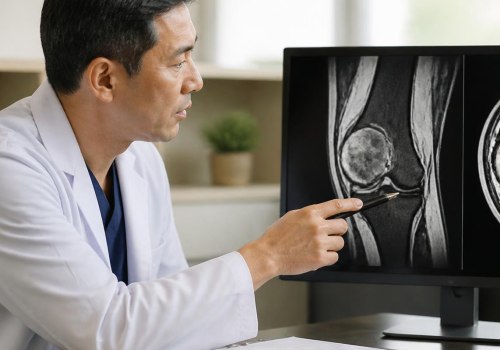
The battle against cancer has been one of the most formidable challenges in modern medicine. As researchers and clinicians delve into the complexities of this multifaceted disease, early cancer treatments have emerged as a beacon of hope. With advancements in technology and a deeper understanding of cancer biology, we stand on the brink of a new era in oncology where early detection and intervention can significantly improve outcomes for patients. In the past, cancer was often diagnosed at advanced stages, leaving limited options for effective treatment. However, recent innovations have shifted this paradigm.
By focusing on early cancer treatments, scientists are not only enhancing survival rates but also improving the quality of life for patients undergoing therapy. This article will explore the groundbreaking advancements in early cancer treatments, shedding light on how these developments are revolutionizing the way we approach cancer care. From novel screening techniques to targeted therapies that minimize side effects, each advancement serves as a testament to human ingenuity and perseverance in the fight against cancer. Join us as we journey through the significant milestones in early cancer treatment research, examining how these efforts pave the way for a future where cancer can be detected and treated more effectively than ever before. The history of cancer treatment is a testament to the resilience and ingenuity of medical science. Traditionally, the primary methods used to combat cancer included surgery, chemotherapy, and radiation therapy.
Each of these approaches has played a crucial role in the fight against cancer, evolving over the decades as our understanding of the disease deepened. Surgical interventions have been practiced for centuries, allowing for the physical removal of tumors. However, it wasn't until the 20th century that chemotherapy emerged as a systemic treatment option, utilizing chemical agents to target rapidly dividing cancer cells throughout the body. Similarly, radiation therapy, which uses high-energy rays to kill cancer cells, became a mainstay in treatment protocols. As research progressed, the limitations of these traditional methods became increasingly apparent.
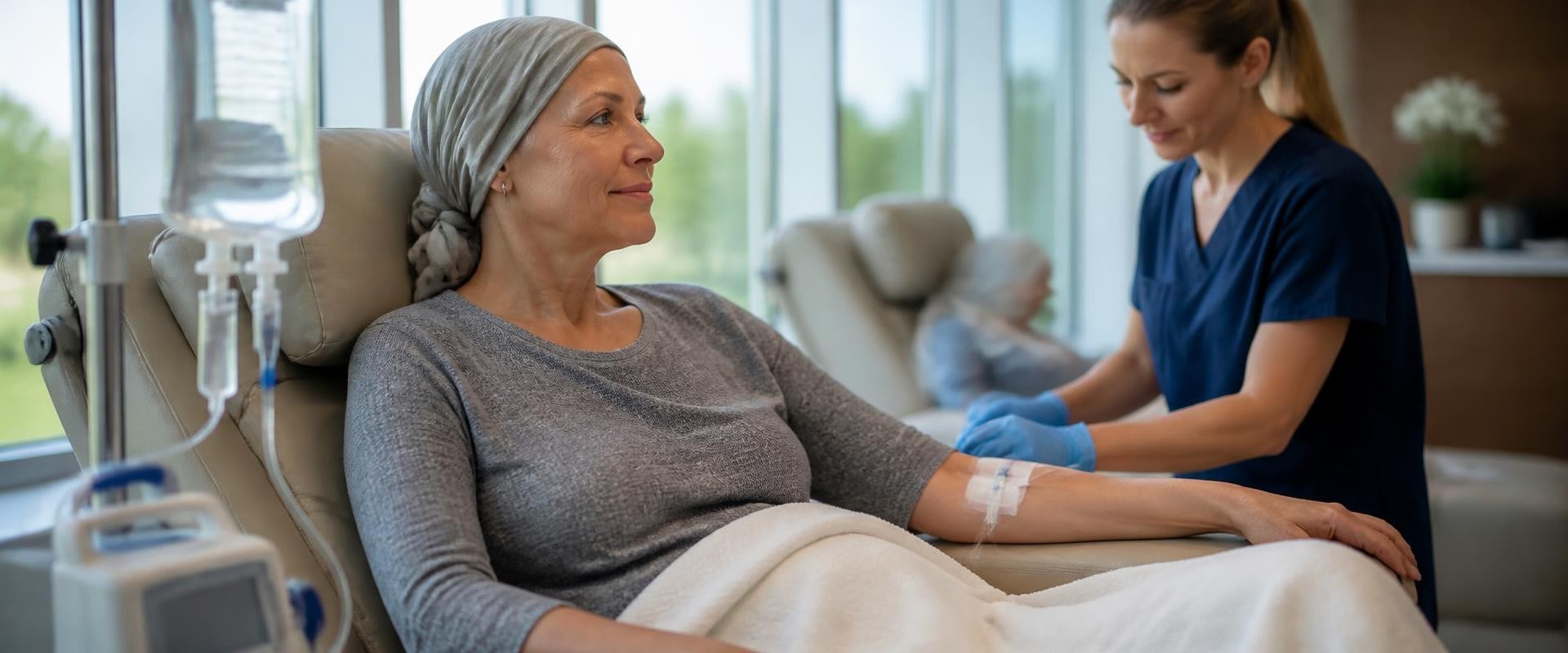
The side effects associated with chemotherapy and radiation therapy often led to significant patient distress and compromised quality of life. In response to these challenges, newer therapies such as immunotherapy and targeted therapy began to gain traction. Immunotherapy harnesses the body's immune system to identify and destroy cancer cells, while targeted therapy focuses on specific genetic mutations or molecular targets present in tumors, minimizing damage to surrounding healthy tissues. Significant breakthroughs in cancer research have catalyzed these advancements. For instance, studies have demonstrated remarkable improvements in survival rates for certain cancers due to innovative treatments.
The introduction of checkpoint inhibitors in immunotherapy has revolutionized how cancers like melanoma and lung cancer are treated, leading to remarkable long-term remission rates in some patients. A noteworthy case study involves the use of pembrolizumab (Keytruda), which has shown an overall survival rate increase for patients with advanced melanoma from 24% at three years to 43% at five years. The importance of clinical trialsclinical trials cannot be overstated in this evolving landscape of cancer treatments. Clinical trials are essential for developing new therapies and refining existing ones. They allow researchers to assess the efficacy and safety of new drugs before they become available on the market.
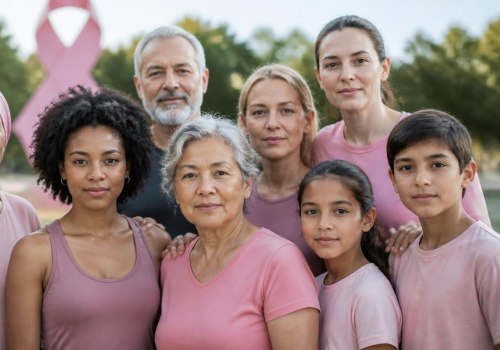
Current trials investigating CAR-T cell therapy—an advanced form of immunotherapy—are making headlines due to their potential to provide durable responses in patients with hematologic malignancies like leukemia and lymphoma. Apart from treatment advancements, preventive measures and awareness campaigns play a pivotal role in enhancing early detection and treatment success rates. Organizations such as the American Cancer Society and various local health initiatives conduct extensive outreach programs aimed at educating communities about risk factors, screening options, and the importance of early intervention. Such campaigns have proven effective; for instance, increased awareness about breast cancer screening has led to earlier diagnoses and improved survival rates across numerous demographics. Healthcare professionals frequently share insights on how evolving treatment modalities impact their practice and patient care. Oncologists often express optimism about the strides made in personalized medicine, where treatments are tailored based on an individual's genetic profile. Current trials investigating CAR-T cell therapy—an advanced form of immunotherapy—are making headlines due to their potential to provide durable responses in patients with hematologic malignancies like leukemia and lymphoma. Apart from treatment advancements, preventive measures and awareness campaigns play a pivotal role in enhancing early detection and treatment success rates. Organizations such as the American Cancer Society and various local health initiatives conduct extensive outreach programs aimed at educating communities about risk factors, screening options, and the importance of early intervention. Such campaigns have proven effective; for instance, increased awareness about breast cancer screening has led to earlier diagnoses and improved survival rates across numerous demographics. Healthcare professionals frequently share insights on how evolving treatment modalities impact their practice and patient care. Oncologists often express optimism about the strides made in personalized medicine, where treatments are tailored based on an individual's genetic profile.
However, they also acknowledge challenges such as the high costs associated with cutting-edge therapies and disparities in access to care that can hinder equitable treatment options for all patients. The field of cancer research is not without its controversies. Debates surrounding the efficacy of certain treatments, particularly within alternative medicine versus conventional approaches, highlight a complex landscape where patients seek information amidst conflicting opinions. Furthermore, discussions about the ethics of clinical trials, especially involving vulnerable populations, continue to spark important dialogue among professionals. In summary, the journey through the history of early cancer treatments showcases a remarkable evolution driven by research and innovation. As we stand on the brink of even more groundbreaking advancements, it is crucial to maintain a focus on awareness and education to ensure that patients benefit from these developments.
Innovative Therapies on the Horizon
As the field of oncology continues to evolve, researchers are actively exploring new treatment options that promise to enhance the effectiveness of early cancer treatments.Among these innovative therapies are targeted therapies, which focus on specific genetic mutations present in cancer cells. These treatments aim to disrupt the cancer's growth signals while minimizing damage to healthy cells. Another area of significant research is immunotherapy, which harnesses the body’s own immune system to combat cancer. Techniques such as checkpoint inhibitors and CAR-T cell therapy have shown remarkable potential in treating various cancer types by enabling the immune system to recognize and destroy cancer cells more effectively. Additionally, researchers are investigating the use of precision medicine, tailoring treatment plans based on individual patient profiles, including their genetic makeup and tumor characteristics. This personalized approach is expected to lead to better outcomes and fewer side effects. Furthermore, advancements in nanotechnology are paving the way for targeted drug delivery systems that can transport therapeutic agents directly to tumor sites, thereby enhancing efficacy and reducing toxicity.
These cutting-edge developments highlight the importance of ongoing studies and clinical trials that continue to explore these promising avenues. As we look toward the future, the integration of artificial intelligence in drug discovery is also gaining traction, streamlining the process of identifying potential therapeutic compounds and accelerating their development. The convergence of technology and medicine holds great promise for revolutionizing early cancer treatments, ultimately leading to improved patient outcomes.
The Role of Clinical Trials
Clinical trials play a crucial role in shaping the future of cancer treatments. They are research studies that evaluate the effectiveness and safety of new therapies, enabling scientists and medical professionals to gather valuable data on how these treatments work in real-world settings. By participating in clinical trials, patients contribute to the advancement of medical knowledge and may gain access to cutting-edge therapies that are not yet widely available. The process of clinical trials typically involves several phases, each designed to answer specific research questions.In the early phases, researchers focus on assessing the safety of a new treatment and determining the appropriate dosage. As trials progress to later phases, the emphasis shifts toward evaluating the treatment's efficacy in larger patient populations. This stepwise approach ensures that only the most promising therapies move forward, ultimately leading to improved options for patients. Furthermore, clinical trials also help identify biomarkers that can predict how patients will respond to certain treatments. This information is invaluable for developing personalized medicine approaches, where therapies can be tailored to individual patients based on their unique genetic makeup.
As awareness of clinical trials grows among patients and caregivers, more individuals may participate, accelerating the pace of cancer research and enhancing the discovery of effective treatments. In addition to benefiting participants, clinical trials contribute significantly to our understanding of cancer biology and treatment modalities. They pave the way for innovations such as immunotherapy, targeted therapy, and combination treatments, which have transformed the landscape of cancer care. As ongoing studies continue to unveil new findings, the future of cancer treatments looks increasingly promising, with the potential for improved outcomes for countless patients around the world.
The Evolution of Cancer Treatments
The journey of cancer treatments has seen remarkable changes over the decades, transitioning from traditional methods to more sophisticated and targeted approaches. Initially, cancer was treated primarily through surgery, where tumors were physically removed from the body.This method, while effective for localized cancers, often left patients with significant recovery challenges and did not address metastatic disease. As understanding of cancer biology improved, radiation therapy emerged as a vital tool in the fight against cancer. This treatment involves using high doses of radiation to kill cancer cells or shrink tumors. While it proved beneficial for many patients, it also posed risks of damaging surrounding healthy tissues, leading to painful side effects. The advent of chemotherapy marked a significant turning point in cancer treatment. By utilizing drugs that target rapidly dividing cells, chemotherapy offered a systemic approach to treat cancer that had spread beyond its original site.
However, the lack of specificity often resulted in harsh side effects, affecting the overall quality of life for patients. In recent years, the field has witnessed a shift towards targeted therapies and immunotherapy. These modern approaches focus on identifying specific molecular targets or harnessing the body's immune system to fight cancer more effectively. Targeted therapies can minimize damage to healthy cells while maximizing tumor destruction, representing a significant leap forward in treatment efficacy. Additionally, ongoing research into personalized medicine is paving the way for tailored treatment plans based on an individual’s genetic makeup and the specific characteristics of their cancer. This evolution signifies a move towards more precise and individualized care, offering hope for improved outcomes. As we continue to advance our understanding of cancer and its complexities, the landscape of treatment options will likely expand further, emphasizing the critical need for awareness and education among patients and caregivers regarding these evolving therapies.
Preventive Measures and Awareness Campaigns
In the realm of early cancer treatments, preventive measures play a critical role in enhancing patient outcomes.Numerous initiatives have been launched globally to promote early detection of cancer, which is essential for effective treatment. Programs aimed at educating the public about the signs and symptoms of various cancers are vital in encouraging individuals to seek medical advice promptly. For instance, awareness campaigns often target high-risk groups, providing them with tailored information on how to recognize early warning signs. Organizations such as the American Cancer Society and Cancer Research UK are at the forefront of these efforts, implementing community outreach programs that focus on the importance of regular screenings and self-examinations. These initiatives not only raise awareness but also aim to reduce the stigma associated with cancer screenings, making it easier for individuals to access necessary health services. Moreover, technological advancements have facilitated the development of innovative screening methods, which are often highlighted in these campaigns.
For example, mobile health units and telemedicine services have made it more convenient for people in remote areas to receive screenings and consultations. As a result, these efforts contribute significantly to increasing early detection rates, ultimately leading to better treatment outcomes. Education is also a key component of these campaigns. By disseminating information through various channels—social media, workshops, and informational pamphlets—health organizations strive to empower individuals with knowledge about risk factors, lifestyle changes, and the importance of follow-up care. The goal is to create a well-informed public that understands the significance of early cancer treatments and actively participates in their health care. In conclusion, preventive measures and awareness campaigns are indispensable in the fight against cancer.
By fostering a culture of vigilance and proactivity regarding health screenings and education, society can significantly impact the effectiveness of early cancer treatments and ultimately save lives.
Support Resources for Patients and Families
Navigating a cancer diagnosis can be overwhelming for both patients and their families. Therefore, having access to support resources is essential in helping them cope with the emotional and practical challenges that arise during treatment. One of the primary resources available is support groups. These groups provide a safe space for individuals to share their experiences, emotions, and coping strategies. Many organizations, such as the American Cancer Society, offer local and online support groups tailored to specific cancer types, allowing patients to connect with others facing similar challenges. In addition to peer support, there are counseling services that cater to the psychological needs of cancer patients and their families.Professional counselors can assist in addressing feelings of anxiety, depression, or fear that often accompany a cancer diagnosis. Many hospitals have dedicated oncology social workers who can help families navigate these services. Furthermore, educational resources are vital for empowering patients. Websites like CancerCare and the National Cancer Institute offer comprehensive information on treatment options, side effects, and coping mechanisms. They also provide access to financial assistance programs that can alleviate some of the burdens associated with treatment costs. Moreover, many communities have non-profit organizations dedicated to supporting cancer patients.
These organizations may offer services ranging from transportation to medical appointments to providing meals or childcare during treatment. Utilizing these resources can significantly enhance the quality of life for both patients and their caregivers. Finally, it’s important for patients and families to maintain open communication with their healthcare providers. This ensures they are aware of all available resources and can receive personalized recommendations based on their unique circumstances. In conclusion, the journey through the advancements in early cancer treatments reveals a landscape filled with hope and progress. As we have discussed, the evolution of cancer therapies has dramatically improved patient outcomes, emphasizing the critical nature of early cancer treatments in enhancing survival rates.
Innovative therapies on the horizon are set to redefine treatment protocols, while the role of clinical trials remains pivotal in uncovering new options for patients. Moreover, preventive measures and awareness campaigns play a crucial role in educating patients and caregivers, ensuring that they are well-informed about their options. Support resources are essential in guiding families through these challenging times, fostering a community of strength and resilience. We encourage readers to stay informed about the latest advancements in early cancer treatments and consider participating in support networks or clinical trials. Together, we can work towards a future where cancer is not only treatable but also preventable.