
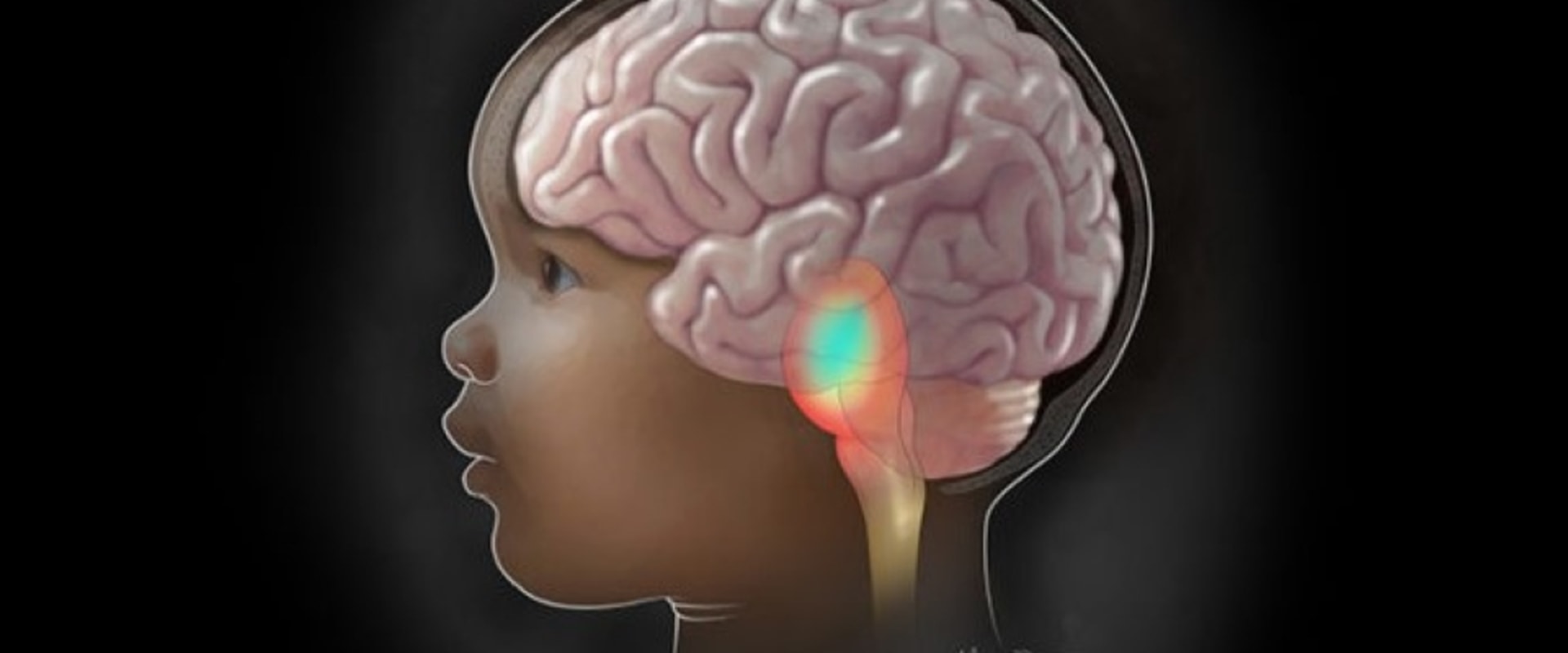
When we think about childhood illnesses, brain tumors in children may not be the first condition that comes to mind. However, these tumors represent a significant concern in pediatric health, affecting thousands of young lives each year. Understanding the intricacies of brain tumors in children is crucial, not only for parents and caregivers but also for educators and healthcare professionals. The brain is a complex organ, and when tumors develop within it, they can lead to a range of symptoms and complications that vary greatly depending on the tumor's type, size, and location.
This complexity often makes diagnosis a challenging endeavor. As a parent, witnessing your child endure health issues can be incredibly daunting, especially when it involves something as critical as the brain. Early detection and treatment can make a significant difference in outcomes, which is why awareness and education about brain tumors in children are so vital. In this article, we will explore the various aspects of brain tumors in children, including types, symptoms, diagnosis, treatment options, and the importance of ongoing research. By shedding light on this often-overlooked topic, we aim to empower families with knowledge and foster a better understanding of the challenges that accompany these conditions.
Join us as we delve into this important subject and uncover what every parent should know about brain tumors in children.
Brain tumors
are abnormal growths of cells within the brain or surrounding structures. They can be classified into various types, with some being more common in children than adults. The most prevalent types of brain tumors in children include medulloblastomas, astrocytomas, ependymomas, and gliomas. Medulloblastomas are often found in the cerebellum and can spread through the cerebrospinal fluid, while astrocytomas arise from astrocytes, the supportive cells in the brain.Ependymomas develop from ependymal cells lining the ventricles of the brain, and gliomas encompass a diverse group of tumors originating from glial cells. Identifying a brain tumor in children can be challenging as symptoms often vary widely. Common symptoms that might indicate a brain tumor include persistent headaches, which may worsen over time, nausea and vomiting, particularly in the morning, changes in behavior or personality, difficulty with coordination or balance, and seizures. Additionally, children may experience vision or hearing problems as a result of increased intracranial pressure caused by the tumor. Diagnosing a brain tumor typically involves a combination of neurological exams and advanced imaging techniques. A magnetic resonance imaging (MRI) scan is commonly used to create detailed images of the brain, allowing healthcare professionals to identify the presence of a tumor and assess its size and location.
Computed tomography (CT) scans may also be employed in certain cases to provide cross-sectional images of the brain. In some instances, a biopsy may be necessary to confirm the diagnosis and determine the specific type of tumor. When it comes to treating brain tumors in children, there are several options available depending on the type, location, and extent of the tumor. Surgery is often the first line of treatment, aiming to remove as much of the tumor as possible while preserving surrounding healthy tissue. Following surgery, children may undergo chemotherapy or radiation therapy to eliminate any remaining cancer cells and reduce the risk of recurrence.
Chemotherapy uses powerful drugs to target rapidly dividing cancer cells, while radiation therapy employs high-energy rays to destroy cancerous tissues. Recent advancements in treatment have led to the development of targeted therapies and immunotherapy, which offer new hope for improving outcomes in pediatric patients. Targeted therapies focus on specific genetic mutations or pathways involved in tumor growth, minimizing damage to healthy cells. Immunotherapy harnesses the body's immune system to recognize and attack cancer cells more effectively. These innovative approaches are being studied extensively in clinical trials designed to evaluate their efficacy and safety. Ongoing clinical trials play a crucial role in advancing our understanding and treatment of childhood brain tumors.
These trials test new therapies and combinations of existing treatments with the aim of improving survival rates and quality of life for young patients. Parents are encouraged to discuss potential clinical trial options with their child’s healthcare team as participation may offer access to cutting-edge treatments. Statistics indicate that survival rates for childhood brain tumors have improved significantly over the past few decades due to advancements in diagnosis and treatment. According to recent data, the five-year survival rate for children diagnosed with brain tumors can exceed 70%, depending on factors such as tumor type and location. However, recovery outcomes can vary widely among individuals, making personalized treatment plans essential. While research continues into effective treatments for brain tumors in children, preventive measures remain a topic of interest.
Currently, there are no established methods for preventing brain tumors; however, awareness campaigns aim to educate families about the signs and symptoms of brain tumors. Organizations dedicated to childhood cancers work tirelessly to promote research funding and support for affected families. For families navigating the challenges associated with brain tumors, numerous support resources are available. Counseling services can provide emotional support for children and their families during difficult times. Support groups offer a platform for sharing experiences and connecting with others facing similar challenges.
These resources are invaluable in helping families cope with the emotional toll that a brain tumor diagnosis can impose.
Recent Research and Clinical Trials
The landscape of research on brain tumors in children is continually evolving, with a focus on understanding the biological mechanisms behind these tumors and improving treatment options. Recent studies have highlighted the importance of genetic profiling, which helps in identifying specific mutations that may drive tumor growth. This knowledge not only aids in tailoring individual treatment plans but also opens up avenues for targeted therapies. One notable trend in current research is the exploration of immunotherapy for pediatric brain tumors. Clinical trials are investigating the efficacy of immune checkpoint inhibitors and CAR T-cell therapy, which have shown promise in adult cancers.These approaches aim to harness the body’s immune system to fight tumors more effectively. Several clinical trials are currently underway focusing on novel drug combinations and innovative treatment protocols. For instance, a trial examining the combination of chemotherapy and targeted agents is assessing its effectiveness in children with medulloblastoma, one of the most common malignant brain tumors in this age group. Early results from such trials indicate potential improvements in survival rates and quality of life. Additionally, research into radiation therapy techniques is also advancing, with studies exploring the use of proton therapy as a less harmful alternative to traditional radiation methods. This technique aims to minimize damage to surrounding healthy brain tissue while maximizing the impact on the tumor. As these clinical trials progress, they not only provide hope for improved outcomes but also contribute significantly to our understanding of pediatric brain tumors.
Ongoing research efforts are vital in shaping future treatments and ensuring that children diagnosed with these conditions receive the best possible care.
Types of Brain Tumors in Children
Brain tumors in children can vary significantly in terms of type, location, and behavior. Understanding the different types of brain tumors is crucial for diagnosis, treatment, and management. Among the most common types are medulloblastoma and gliomas.Medulloblastoma
is a type of primitive neuroectodermal tumor (PNET) that primarily arises in the cerebellum. It is the most common malignant brain tumor in children, typically affecting those between the ages of 3 and 8.Medulloblastomas can spread to other parts of the central nervous system and may present symptoms such as headaches, balance issues, and changes in behavior.Treatment often involves a combination of surgery, radiation therapy, and chemotherapy.
Gliomas
are another significant category of brain tumors found in children, which arise from glial cells that support and protect neurons. This category includes various subtypes such as astrocytomas, ependymomas, and oligodendrogliomas. Astrocytomas can vary in aggressiveness, with low-grade astrocytomas generally having a better prognosis than high-grade variants. Ependymomas typically occur near the ventricles of the brain or spinal cord and can cause obstructive hydrocephalus due to blockage of cerebrospinal fluid flow.Oligodendrogliomas are less common but can also be found in pediatric patients. Each type of brain tumor presents unique challenges and treatment pathways. Ongoing research continues to explore innovative treatments and improve outcomes for children diagnosed with these conditions.
Symptoms and Diagnosis
Brain tumors in children can present with a variety of symptoms, many of which may be subtle and easily attributed to other conditions. Common symptoms that might prompt medical evaluation include persistent headaches, particularly those that worsen over time or occur more frequently in the morning. Parents may also notice changes in vision, such as blurred or double vision, which can indicate pressure on the optic nerves. Another significant symptom is seizures, which can occur in children without a prior history of epilepsy.Additionally, nausea and vomiting, especially if it is persistent and not linked to other illnesses, may signal the presence of a brain tumor. Other symptoms can include changes in behavior or personality, difficulty with balance or coordination, and weakness or numbness in different parts of the body. These symptoms can often lead parents to seek medical advice, prompting further investigation. The diagnostic process for brain tumors typically begins with a thorough medical history and physical examination conducted by a pediatrician or neurologist. If symptoms are concerning, imaging tests such as MRI (Magnetic Resonance Imaging) or CT scans (Computed Tomography) are usually employed to visualize the brain and detect any abnormal growths. In some cases, further testing, including a biopsy, may be necessary to determine the type of tumor and its characteristics. Early diagnosis is crucial as it can significantly affect treatment options and outcomes.
Ongoing research continues to enhance our understanding of brain tumors in children, aiming to improve diagnostic techniques and treatment methodologies.
Support Resources for Families
Families facing a diagnosis of brain tumors in children often find themselves navigating a complex journey filled with emotional, physical, and financial challenges. Fortunately, numerous support networks and organizations exist to help families cope with these hardships and provide essential resources. One of the most prominent organizations is the Pediatric Brain Tumor Foundation, which offers a wealth of information on treatment options, ongoing research, and emotional support. They also provide opportunities for families to connect with one another through local events and online forums. Another vital resource is CureSearch for Children’s Cancer, which focuses on funding research specifically aimed at improving outcomes for children with brain tumors. Their website features educational materials that can help families understand their child's diagnosis and treatment. In addition to these national organizations, local hospitals often have social workers and child life specialists who can guide families in finding support groups tailored to their specific needs.These groups offer a safe space for parents and caregivers to share experiences and gain insights from others who are facing similar challenges. Furthermore, online platforms such as Facebook groups and dedicated forums can provide an immediate connection to other families dealing with childhood brain tumors. These communities often serve as a lifeline, offering advice, sharing resources, and providing emotional support. Lastly, it is crucial for families to consider mental health resources. Many organizations provide access to counseling services specifically designed for children and parents affected by cancer. Seeking mental health support can be an invaluable part of the healing process. By utilizing these support resources, families affected by childhood brain tumors can find the assistance they need to navigate this challenging journey together.
Treatment Options
Treatment for brain tumors in children can be complex and often involves a multidisciplinary approach tailored to the individual needs of each child.The primary treatment modalities include surgery, radiation therapy, and chemotherapy, with the possibility of emerging therapies that are being researched and developed.
Surgery
is often the first line of treatment for childhood brain tumors. The objective is to remove as much of the tumor as possible without damaging surrounding healthy brain tissue. In some cases, complete resection may not be feasible due to the tumor's location or size, but even partial removal can provide significant benefits. Following surgery, radiation therapy may be recommended, particularly if there is a risk of remaining tumor cells. This treatment uses high-energy waves to target and kill cancerous cells.In children, special care is taken to minimize exposure to healthy tissue, and techniques such as stereotactic radiation are increasingly used.
Chemotherapy
is another critical component of treatment for many types of childhood brain tumors. It involves the use of drugs to kill cancer cells or stop their growth. Chemotherapy can be administered orally or intravenously and may be used in conjunction with surgery and radiation. In addition to these traditional treatments, researchers are exploring emerging therapies that hold promise for improved outcomes. These include targeted therapies that focus on specific genetic mutations associated with certain tumors, immunotherapy that harnesses the body's immune system to fight cancer, and clinical trials investigating new drug combinations or novel treatment approaches. It is important for families to discuss all available options with their healthcare team, considering factors such as the type and stage of the tumor, potential side effects, and the overall health of the child.Ongoing research into brain tumors in children is crucial for developing more effective treatments and improving survival rates. In conclusion, brain tumors in children present a significant challenge for both young patients and their families. Throughout this article, we have explored the various types of brain tumors, their symptoms and diagnosis, available treatment options, and the latest advancements in research and clinical trials. Each of these elements plays a crucial role in understanding the complexities of pediatric brain tumors. It is vital to acknowledge that ongoing research is key to enhancing treatment protocols and improving outcomes for children diagnosed with these tumors. As science progresses, new therapies and insights emerge that can significantly change the landscape of care for young patients. We encourage our readers to actively engage with ongoing research initiatives, whether by participating in clinical trials or supporting advocacy efforts that aim to increase awareness and funding for pediatric brain tumor research.
Together, we can foster a community dedicated to making a difference in the lives of children affected by brain tumors.