When faced with a cancer diagnosis, the journey can often feel isolating and overwhelming. The emotional toll of such news can be just as challenging as the physical aspects of treatment. However, support groups for cancer patients offer a beacon of hope and a vital lifeline for those navigating this difficult path. These groups provide not only a safe space to share experiences and feelings but also a community of individuals who truly understand the unique challenges that come with a cancer diagnosis. In these supportive environments, patients can connect with others who have walked similar journeys, fostering bonds that can alleviate feelings of loneliness and despair.
Sharing stories, coping strategies, and resources can empower individuals to face their circumstances with renewed strength and resilience. Whether you are newly diagnosed, in treatment, or a survivor, the value of connection cannot be underestimated. As we delve deeper into the world of support groups for cancer patients, we will explore the various types of support available, how to find the right group for you, and the profound impact these gatherings can have on mental health and overall well-being. Join us as we uncover the transformative power of community in the fight against cancer. The journey through cancer can be daunting, often filled with emotional turmoil, uncertainty, and isolation. Many cancer patients and their families face feelings of loneliness as they navigate their diagnosis, treatment, and recovery.
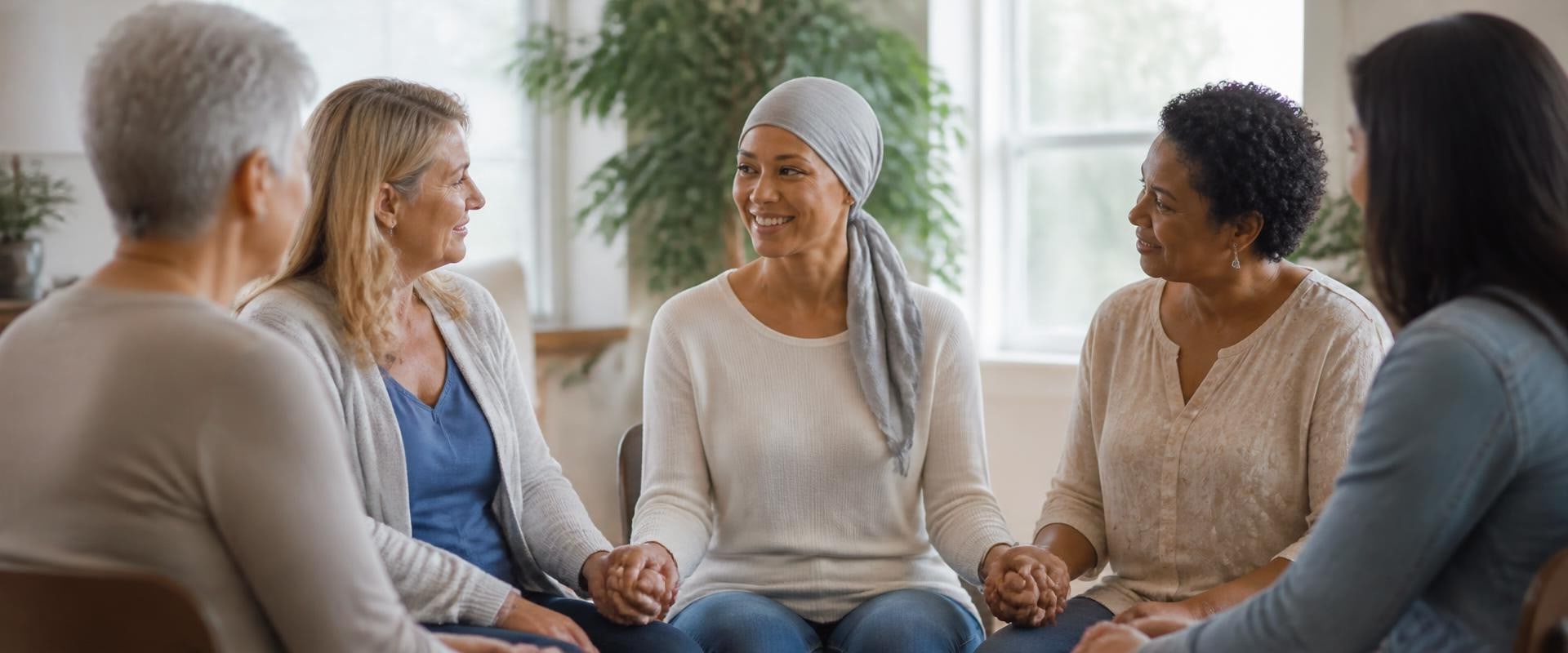
This is where support groups for cancer patients play a crucial role in providing a sense of community and understanding. These groups offer not only comfort but also valuable resources and practical advice, helping individuals feel less alone in their fight against cancer. Support groups come in various formats, each tailored to meet the diverse needs of patients and their families.
In-person support groups
are often held in hospitals, community centers, or local churches. These gatherings enable participants to share their experiences face-to-face, fostering an environment of empathy and connection.For those who may have mobility issues or prefer the convenience of home, online support groups provide a flexible option. Virtual meetings allow participants from different geographical locations to come together, breaking down barriers to access. Within these categories, there are peer-led and professionally facilitated groups. Peer-led support groups typically consist of individuals who have experienced similar challenges and wish to share their insights and coping strategies. In contrast, professionally facilitated groups are led by trained counselors or therapists who guide discussions and provide expert advice on emotional well-being.
Each type caters to different demographics; some groups may focus on specific cancer types, while others address the needs of certain age groups, such as young adults or seniors. The benefits of joining a support group extend beyond mere conversation. Many participants report a significant reduction in feelings of isolation and anxiety after attending these meetings. For example, one participant shared, "Joining a support group was a turning point for me. I felt like I was carrying the weight of my diagnosis alone until I met others who truly understood what I was going through." Such testimonials highlight the profound impact that these communities can have on emotional health. Finding local support groups or online communities is easier than ever.
Numerous organizations and websites offer directories to help individuals locate groups in their area. The American Cancer Society, Cancer Support Community, and local hospitals are excellent starting points for those seeking in-person gatherings. For online options, platforms like Facebook and dedicated cancer support forums provide spaces where patients can connect anytime and anywhere. For those inspired to create their own support group, resources are available to assist in setting one up. Local health organizations often provide guidance on best practices for group leadership, effective communication strategies, and even training for facilitators. Despite their advantages, misconceptions about support groups persist.
Some people believe that these gatherings are merely places for sharing negative experiences or that they are ineffective in providing real support. However, studies have shown that participation in support groups can enhance the quality of life for cancer patients significantly. Evidence indicates that individuals who engage in these communities report lower levels of distress and improved coping skills. Ultimately, support groups for cancer patients serve as vital lifelines during challenging times. They offer more than just emotional support; they create connections that foster resilience and hope.
By demystifying these groups and encouraging participation, we can help individuals find the comfort and community they need on their journey toward healing.
Benefits of Joining a Support Group
Participating in a support group can significantly enhance the emotional and psychological well-being of cancer patients and their families. One of the most profound benefits is the reduction of feelings of loneliness. Facing a cancer diagnosis can often lead to isolation, as friends and family may struggle to understand the patient’s experience. In a support group, individuals find others who are going through similar challenges, fostering a sense of belonging and camaraderie. Moreover, being part of a community that shares personal stories and coping strategies can greatly increase hope.Members can witness each other’s resilience and share moments of triumph, which can inspire positivity and motivation in their own journeys. This exchange not only provides emotional uplift but also reinforces the idea that they are not alone in their struggles. Support groups also offer practical advice on navigating the complexities of cancer treatment and its aftermath. Members often share resources, tips for managing side effects, and ways to communicate effectively with healthcare providers. This shared knowledge can alleviate anxiety and empower individuals to take control of their situations. In summary, joining a support group creates an invaluable network of support that enhances emotional health, instills hope, and provides practical guidance.
The collective strength found within these groups serves as a beacon of light for those facing the daunting journey of cancer.
How to Find or Start a Support Group
Finding or starting a support group can be a transformative step for cancer patients and their families. To locate existing support groups, begin by reaching out to local hospitals, cancer treatment centers, or community health organizations. These institutions often have resources or listings of support groups that cater specifically to cancer patients. Additionally, websites such as CancerCare and the American Cancer Society provide directories where you can search for groups based on your location and specific needs. If you find that there are no suitable support groups in your area, consider starting your own.Begin by gathering interested individuals through social media platforms, local community boards, or healthcare providers who may know others in similar situations. Choose a comfortable and accessible venue for meetings, such as a community center or even a virtual platform like Zoom, which can broaden participation. When organizing a new group, it's essential to establish a clear purpose and set ground rules to create a safe and supportive environment. Consider reaching out to professionals who can facilitate discussions or provide resources. Promoting your group through flyers, social media, and word of mouth can help attract members who are seeking connection and support. Remember, the goal of any support group is to foster an atmosphere of understanding and empathy where participants can share their experiences and offer each other comfort.
Whether you join an existing group or start your own, taking this step can significantly enhance emotional wellbeing for both cancer patients and their loved ones.
Types of Support Groups
When navigating the journey of cancer, the emotional and psychological toll can be overwhelming. Fortunately, there are various support groups for cancer patients that cater to different needs and preferences, ensuring that individuals can find the right fit for their situation. One of the most significant distinctions among support groups is the format in which they meet. Traditional in-person support groups offer a safe space for patients and their families to share experiences, express feelings, and build connections face-to-face. These groups often foster a sense of community, allowing participants to form bonds with others who truly understand their struggles. In recent years, online support groups have gained popularity, particularly for those who may have difficulty attending in-person meetings due to health issues or geographical barriers.These virtual platforms provide a flexible and accessible way to connect with others, offering similar benefits as in-person groups. Patients can engage in discussions through forums, video calls, or social media platforms, allowing them to seek support from the comfort of their own homes. Additionally, some support groups are tailored to specific types of cancer. These specialized groups focus on unique challenges and treatment options relevant to particular diagnoses. For instance, breast cancer support groups may address issues such as body image changes or navigating fertility concerns post-treatment, while prostate cancer groups might discuss sexual health and intimacy after diagnosis.
By joining a group that aligns with their specific situation, patients can receive targeted emotional support and practical advice. Overall, the variety of support groups for cancer patients ensures that everyone has the opportunity to find a community that resonates with their needs. Whether through traditional meetings or online interactions, these groups play a crucial role in providing comfort and connection during an incredibly challenging time.
Real Stories: The Impact of Support Groups
Support groups play a crucial role in the lives of cancer patients, providing a safe space for sharing experiences and emotions.Jane Smith
, a breast cancer survivor, recalls her first meeting: "I walked in feeling isolated and scared. But within minutes, I was surrounded by people who understood my fears.Their stories gave me hope, and I realized I wasn't alone on this journey." This sense of community is vital for emotional healing. Another member, Tom Johnson, who battled leukemia, shares his transformation: "Before joining the group, I felt like I was carrying the weight of the world on my shoulders. Hearing others share their struggles made me feel lighter. We laughed, cried, and supported each other—it was a lifeline during my darkest days." These personal connections often lead to lasting friendships that extend beyond the group meetings.
Emily Davis
, a caregiver for her husband with prostate cancer, emphasizes the dual benefit of support groups. "I found not only comfort for myself but also resources to help him cope better.The advice from others in similar situations was invaluable. We learned together how to navigate the challenges we faced as a team." This highlights how support groups can cater not just to patients but also to their families, offering practical advice and emotional backing. The impact of these groups can be profound, as Mark Lee illustrates: "After joining my support group, I felt empowered to advocate for myself during treatment. The confidence I gained from sharing my story and hearing others inspired me to take charge of my health journey." This empowerment can lead to better outcomes and a more proactive approach to treatment. Ultimately, the testimonials from these individuals underscore the importance of support groups in providing not just emotional solace but also practical tools to tackle the challenges of cancer. They remind us that through shared experiences, we can find strength and solidarity in our journeys.
Support groups
are an essential lifeline for cancer patients and their families, offering not just a place to share experiences but also a sense of belonging and understanding during one of life's most challenging times.These groups empower individuals to navigate their emotional landscapes, fostering resilience and hope as they confront the realities of cancer treatment and recovery. As we've explored, the benefits of joining a support group extend beyond mere conversation; they provide practical advice, coping strategies, and a network of individuals who truly understand the journey. Whether through online forums or in-person meetings, these resources are invaluable for anyone affected by cancer. We encourage you to seek out local or virtual support groups for cancer patients, whether you are a patient, caregiver, or family member. Remember, you are not alone in this fight; there are countless others who share your path and are ready to walk alongside you. The ongoing need for emotional support cannot be overstated, so take that brave step towards connection and healing today.