
In recent years, the field of medicine has witnessed remarkable advancements, particularly in the realm of cancer treatment. Among these innovations, minimally invasive techniques have emerged as a beacon of hope for patients seeking effective and less traumatic options for their care. These cutting-edge methods not only enhance surgical precision but also significantly reduce recovery times and minimize post-operative complications. As we delve into the world of minimally invasive techniques, it is essential to understand how these approaches are transforming traditional cancer treatments. With a focus on technology and patient-centered care, healthcare professionals are now equipped with tools that allow them to perform complex procedures with enhanced accuracy and reduced physical impact on patients.
This evolution in surgical methods is paving the way for better outcomes and improved quality of life for those battling cancer. In this article, we will explore some of the most groundbreaking innovations in minimally invasive techniques for cancer treatment. From robotic-assisted surgeries to advanced imaging technologies, these developments are not only changing the landscape of oncology but also offering renewed hope to patients worldwide. Join us as we uncover the future of surgical treatments that prioritize both effectiveness and patient well-being. The field of cancer treatment has witnessed remarkable advancements in recent years, particularly with the rise of minimally invasive techniques. These innovative approaches, which include laparoscopic surgerylaparoscopic surgery, robotic-assisted surgery, and endoscopic procedures, are designed to provide effective treatment options while minimizing the physical impact on patients.
By utilizing small incisions and advanced technology, these techniques allow surgeons to operate with precision and reduce trauma to surrounding tissues.
Laparoscopic surgery
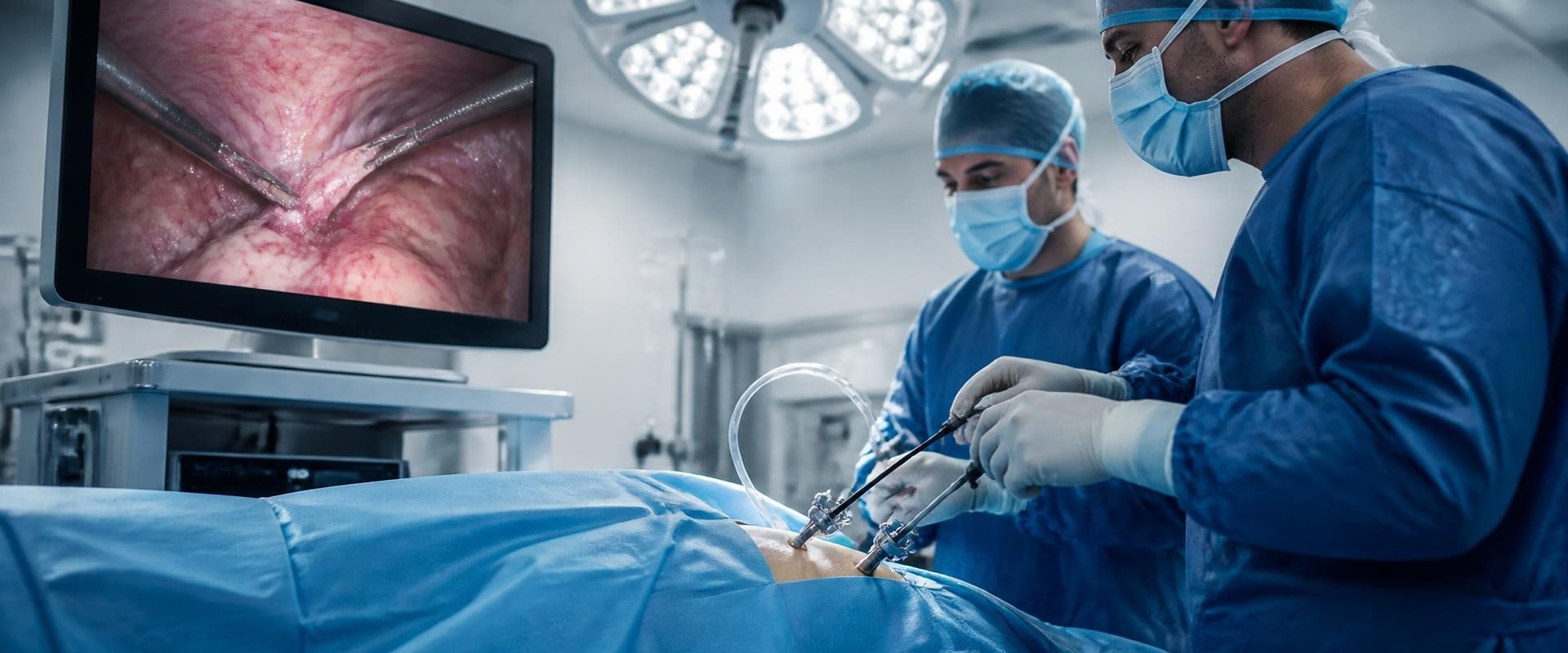
is one of the most common forms of minimally invasive techniques used in cancer treatment. This approach involves the use of a laparoscope, a thin tube with a camera and light, which is inserted through small incisions in the abdomen. Surgeons can view the surgical site on a monitor and perform the procedure using specialized instruments. Compared to traditional open surgery, laparoscopic procedures typically result in less pain, reduced blood loss, and shorter recovery times.Research indicates that patients undergoing laparoscopic surgeries for cancer treatment can experience a recovery time that is up to 50% faster than those who have traditional surgeries.
Robotic-assisted surgery
takes minimally invasive techniques a step further by incorporating robotic systems that enhance a surgeon's capabilities. This technology allows for greater dexterity and precision in surgical movements, making it particularly beneficial for complex cancer surgeries, such as prostatectomies or hysterectomies. Studies show that robotic-assisted procedures often lead to fewer complications, shorter hospital stays, and improved functional outcomes compared to conventional methods. One study found that patients who underwent robotic prostatectomy had a 90% success rate regarding cancer control, significantly higher than many traditional approaches.Endoscopic procedures
are also gaining traction in the realm of minimally invasive cancer treatments.These techniques involve using an endoscope, which is a flexible tube with a camera and tools attached, to access internal organs through natural openings or small incisions. Endoscopy is particularly useful for cancers located in the gastrointestinal tract, allowing for targeted biopsies and removal of tumors without the need for extensive surgery. The benefits of endoscopic procedures include reduced recovery times, lower risk of infection, and minimal scarring. The preference for minimally invasive techniques over traditional surgical methods stems from their numerous advantages. The smaller incisions reduce trauma and associated pain, leading to quicker recoveries and shorter hospital stays.
According to various studies, patients who undergo minimally invasive surgeries report less postoperative discomfort and can often return to their daily activities much sooner than those who opt for conventional surgeries. For instance, while a patient undergoing an open surgery may take several weeks to recover fully, those who have received laparoscopic or robotic surgeries often resume normal activities within days. Ongoing clinical trials are crucial in assessing the effectiveness and safety of these advanced techniques. Researchers are investigating various aspects of minimally invasive techniques, including their applicability across different types of cancers and patient demographics. Preliminary results from these trials have been promising, indicating that minimally invasive approaches not only maintain efficacy in cancer control but also significantly enhance patient quality of life post-surgery. Patient testimonials further underscore the positive impact of minimally invasive techniques.
Many individuals share stories of how these procedures allowed them to experience less pain and quicker returns to their families and normal lives. For example, one patient who underwent laparoscopic surgery for colon cancer expressed relief at being able to eat normally just days after her procedure, whereas she had anticipated a lengthy recovery period based on previous experiences with traditional surgeries. Despite their advantages, minimally invasive techniques are not without concerns. Some critics argue that these methods may not be suitable for all patients or types of cancers due to their complexity or potential limitations in tumor removal. However, ongoing research aims to address these issues by refining surgical techniques and improving patient selection criteria.
Healthcare professionals are continuously evaluating outcomes from minimally invasive procedures to ensure they meet the highest standards of care. In conclusion, as interest continues to grow among both patients and healthcare providers, minimally invasive techniques are poised to play an increasingly important role in cancer treatment strategies worldwide. Their ability to improve patient outcomes while reducing recovery times makes them a promising option in the landscape of modern medicine.
Benefits of Minimally Invasive Techniques
Minimally invasive techniques have revolutionized cancer treatment by offering numerous advantages over traditional surgical approaches. One of the primary benefits is the shorter recovery times associated with these procedures. Patients often experience a quicker healing process, allowing them to return to their normal activities sooner than with conventional surgeries. Additionally, minimally invasive techniques typically result in less pain post-operation.This reduced discomfort is largely due to the smaller incisions made during these procedures, which leads to less tissue damage and a more manageable recovery experience for patients. Another significant advantage is the reduction in scarring. The smaller incisions not only minimize physical trauma but also lead to more aesthetically pleasing outcomes, which is an important consideration for many patients. The less invasive nature of these techniques means that patients can often enjoy a better cosmetic result after surgery. Finally, the quicker return to daily activities is a compelling reason why both patients and healthcare professionals are increasingly turning to minimally invasive techniques. By reducing the overall impact of surgery on the body, patients are able to resume their usual routines—whether it be work, exercise, or spending time with family—much sooner than they would after traditional surgical methods.
Understanding Minimally Invasive Techniques
Minimally invasive techniques refer to surgical procedures that are performed through small incisions or natural body openings, rather than through large incisions associated with traditional open surgeries.The primary goal of these techniques is to reduce trauma to the body, which can lead to less pain, quicker recovery times, and fewer complications for patients. The development of minimally invasive techniques in cancer treatment can be traced back to the mid-20th century with the advent of laparoscopic surgery. Initially used for diagnostic purposes, laparoscopic methods evolved to include therapeutic applications, enabling surgeons to remove tumors while minimizing damage to surrounding tissues. Over the decades, advancements in technology, such as high-definition cameras and robotic-assisted systems, have further refined these techniques, allowing for greater precision and control during procedures. As healthcare providers recognized the benefits of minimally invasive techniques, interest began to grow among both patients and professionals.
By the late 1990s and early 2000s, a variety of minimally invasive approaches began to be applied in oncology, including laparoscopic tumor resections and thoracoscopic surgeries. These innovative methods not only improved patient outcomes but also revolutionized the way cancer surgeries were perceived and performed. Today, minimally invasive techniques continue to evolve with ongoing research and technological advancements. With an increasing emphasis on patient-centered care, these approaches have become a vital component of modern cancer treatment strategies, offering hope for improved quality of life and survival rates for patients facing this challenging diagnosis.
Patient Support and Resources
As patients explore minimally invasive techniques for cancer treatment, it is essential to understand the resources available to support them in their journey. These techniques often offer promising outcomes, but the decision-making process can be overwhelming.Fortunately, numerous support groups, informational websites, and advocacy organizations are dedicated to helping patients navigate their options. One valuable resource is online support groups where patients can connect with others who have undergone similar treatments. These platforms provide a space for sharing experiences, discussing concerns, and offering emotional support. Websites like Cancer Support Community and PatientsLikeMe are excellent examples of platforms that facilitate such connections. Informational websites are another crucial resource. Organizations like the American Cancer Society and the National Cancer Institute provide comprehensive information about minimally invasive techniques, including the latest research, treatment options, and patient testimonials.
These resources empower patients with knowledge, helping them make informed decisions about their care. Advocacy organizations also play a significant role in supporting patients considering these advanced approaches. Groups like the American Society of Clinical Oncology (ASCO) focus on promoting awareness and understanding of minimally invasive techniques, ensuring that patients have access to the best possible information and care. They often provide educational materials and host events that allow patients to learn more about their treatment options directly from healthcare professionals. In summary, patients considering minimally invasive techniques for cancer treatment can find a wealth of support through various resources. Engaging with support groups, utilizing informational websites, and connecting with advocacy organizations can significantly enhance their treatment experience and overall well-being.
Current Research and Clinical Trials
As the field of oncology continues to evolve, minimally invasive techniques are at the forefront of innovative cancer treatment strategies.Current research efforts focus on enhancing these techniques to improve patient outcomes and streamline recovery processes. Numerous clinical trials are underway, investigating various methods that utilize advanced technology to reduce surgical trauma, minimize complications, and promote faster healing. One notable area of research involves the use of robotic-assisted surgical systems. These systems allow for greater precision and control during procedures, which can result in less blood loss and a lower risk of infection. Trials are examining the effectiveness of robotic surgery in treating different types of cancers, including prostate and lung cancer, with preliminary results indicating promising improvements in recovery times and overall patient satisfaction. Another exciting development is the exploration of laparoscopic techniques that employ natural orifice transluminal endoscopic surgery (NOTES).
This approach seeks to perform surgeries through natural body openings, thereby eliminating external scars and further reducing recovery periods. Clinical trials assessing the safety and efficacy of NOTES for various cancers are ongoing, with early data suggesting it may be a viable alternative to traditional methods. Additionally, researchers are investigating novel energy sources, such as laser and ultrasound technologies, to enhance tissue removal while preserving surrounding healthy structures. These studies aim to determine the optimal applications for these energy sources in different cancer types, potentially leading to less invasive options for patients. Furthermore, collaborations between hospitals and research institutions are fostering a deeper understanding of patient responses to minimally invasive techniques. These partnerships are crucial in conducting large-scale trials that can validate findings and ensure that new techniques can be reliably integrated into clinical practice. In conclusion, ongoing research and clinical trials are vital in advancing minimally invasive techniques for cancer treatment.
As these studies progress, they hold the potential to revolutionize how oncologists approach surgical interventions, ultimately leading to improved patient outcomes and quality of life.
Types of Minimally Invasive Procedures
Minimally invasive techniques encompass a range of surgical procedures that utilize advanced technology to perform surgeries with smaller incisions and reduced trauma to the body. These techniques have gained significant traction in the field of cancer treatment due to their ability to enhance patient recovery and reduce complications. One of the most common types of minimally invasive procedures is laparoscopic surgery. This technique involves the use of small incisions through which a camera and specialized instruments are inserted. The surgeon can view the surgical site on a monitor, allowing for precise movements and a less invasive approach compared to traditional open surgery.Laparoscopic surgery is frequently used for various cancers, including those of the stomach, colon, and gallbladder. Another innovative method is robotic surgery, which takes laparoscopic techniques a step further. Utilizing robotic systems, surgeons can perform complex procedures with enhanced dexterity and precision. The robotic arms provide greater range of motion than human hands, allowing for intricate maneuvers that minimize damage to surrounding tissues. Robotic surgery is particularly beneficial in delicate operations such as prostatectomies for prostate cancer and hysterectomies for gynecological cancers.
Endoscopic techniques
also play a crucial role in minimally invasive cancer treatments.These procedures involve the use of an endoscope—a flexible tube with a light and camera—inserted through natural openings or small incisions. Endoscopy can be used to diagnose and treat cancers in areas such as the gastrointestinal tract, lungs, and urinary system. The visualization capabilities provided by endoscopes allow for targeted treatments, including biopsies and localized therapies. In summary, the diversity of minimally invasive procedures, including laparoscopic surgery, robotic surgery, and endoscopic techniques, illustrates the advancements in surgical oncology aimed at improving patient outcomes while minimizing recovery times and complications. In conclusion, minimally invasive techniques have emerged as a pivotal advancement in modern cancer treatment, fundamentally transforming how healthcare professionals approach surgical interventions. By prioritizing patient safety and comfort, these techniques not only enhance recovery experiences but also significantly reduce the risk of complications.
As we continue to witness remarkable progress in this field, it is essential for both patients and healthcare providers to stay informed about the latest innovations and research. Embracing such advancements can lead to improved outcomes, empowering patients with more options in their treatment journey. As interest in minimally invasive approaches grows, we encourage our readers to actively seek information and advocate for these innovative solutions that promise a brighter future in cancer care.