In the ongoing battle against cancer, dietary recommendations to reduce risk play a pivotal role that is often overlooked. With a staggering number of individuals facing cancer diagnoses each year, understanding how our dietary choices can influence our health has never been more crucial. The food we consume not only nourishes our bodies but can also serve as a powerful ally in the fight against various forms of this disease. Emerging research increasingly highlights the link between diet and cancer risk, suggesting that certain foods and dietary patterns can either promote or inhibit the development of cancerous cells. As we explore the landscape of cancer prevention strategies, it becomes clear that making informed dietary choices is a key component of a comprehensive approach to reducing risk. This article delves into the essential dietary recommendations designed to fortify your body’s defenses against cancer.
By incorporating nutrient-dense foods, understanding the significance of portion control, and recognizing the impact of processed foods, you can take proactive steps toward a healthier lifestyle. Join us as we uncover the profound ways in which what you eat can empower you to lower your cancer risk and embrace a more vibrant life. The role of diet in cancer prevention is increasingly recognized, with numerous studies indicating that certain dietary patterns can significantly reduce the risk of developing various types of cancer. It is essential to understand the various dietary components and their roles in promoting cellular health and potentially reducing cancer risk. One of the most critical components of a cancer-preventive diet is the intake of fruits and vegetables.
These foods are rich in essential vitamins, minerals, and phytonutrients, which have been shown to possess antioxidant properties. Antioxidants help combat oxidative stress in the body, which is linked to cancer development. For instance, a study published in the Journal of Nutrition found that individuals with a higher consumption of fruits and vegetables had a markedly lower risk of colorectal cancer. In addition to fruits and vegetables, the consumption of whole grains plays a significant role in cancer prevention. Whole grains are an excellent source of dietary fiber, which is crucial for maintaining a healthy digestive system.
Research has indicated that higher fiber intake is associated with a reduced risk of several cancers, including breast and colorectal cancers. According to a meta-analysis published in the American Journal of Clinical Nutrition, individuals consuming whole grains exhibited a 17% lower risk of colorectal cancer compared to those who primarily consumed refined grains. The inclusion of healthy fats in the diet is another critical factor in cancer prevention. Healthy fats, such as those found in avocados, nuts, seeds, and olive oil, can help reduce inflammation and support overall cellular health. Omega-3 fatty acids, in particular, have been shown to have anti-inflammatory properties and may play a role in reducing the risk of certain cancers.
A study conducted by the American Cancer Society found that higher omega-3 fatty acid intake was associated with a decreased risk of prostate cancer. When it comes to protein sources, opting for lean proteins such as fish, poultry, legumes, and plant-based proteins can contribute positively to cancer prevention. Red and processed meats have been linked to an increased risk of several types of cancer, including colorectal cancer. The World Health Organization has classified processed meats as a Group 1 carcinogen based on sufficient evidence linking them to cancer. Thus, moderating the intake of these foods while focusing on healthier protein options can be a beneficial strategy. Furthermore, specific vitamins and minerals also contribute to reducing cancer risk.
For example, vitamin D has garnered attention for its potential role in cancer prevention. Studies have suggested that adequate levels of vitamin D may help reduce the incidence of certain cancers, including breast and colon cancer. Additionally, the antioxidant properties of vitamins A, C, and E can protect cells from damage that may lead to cancer development. While the evidence supporting these dietary recommendations is compelling, some may argue against making significant dietary changes due to perceived difficulty or lack of immediate results. However, it is crucial to emphasize that small adjustments can yield significant benefits over time.
Incorporating more fruits and vegetables into meals or swapping out refined grains for whole grains can be manageable changes that promote better health without requiring extreme dietary restrictions. Moreover, achieving a balance and moderation within one’s diet is vital. Instead of focusing on strict limitations or eliminating entire food groups, adopting a flexible approach encourages sustainable eating habits that can lead to long-term health benefits. The key lies in making informed choices that prioritize nutrient-dense foods while enjoying treats in moderation. In conclusion, adopting a diet rich in fruits and vegetables, whole grains, healthy fats, and lean proteins while ensuring adequate vitamins and minerals can significantly reduce cancer risk. The integration of these dietary components not only supports overall health but also empowers individuals to take proactive steps towards preventing cancer through nutrition.
Whole Grains vs.
Refined GrainsWhole grains and refined grains differ significantly in their nutritional composition and health benefits. Whole grains retain all parts of the grain kernel—the bran, germ, and endosperm—making them rich in fiber, vitamins, and minerals. Examples of whole grains include brown rice, quinoa, oats, and whole wheat. In contrast, refined grains have been processed to remove the bran and germ, which strips away much of their nutritional value.
Common examples of refined grains are white rice, white bread, and many pastries. Research indicates that incorporating whole grains into one’s diet can lead to a range of health benefits that may reduce the risk of cancer. For instance, a study published in the Journal of Nutrition found that individuals who consumed higher amounts of whole grains had a lower incidence of colorectal cancer compared to those who primarily ate refined grains. The fiber found in whole grains is believed to play a crucial role by promoting healthy digestion and regulating blood sugar levels. Moreover, whole grains are packed with antioxidants and phytochemicals that may help protect cells from damage caused by free radicals—factors that can contribute to cancer development. A diet high in whole grains has also been associated with lower risks of other chronic diseases such as heart disease and type 2 diabetes, further emphasizing their importance in a balanced diet. In conclusion, choosing whole grains over refined grains is a simple yet effective dietary recommendation for improving overall health and potentially reducing cancer risk.
By making this switch, individuals can enhance their nutrient intake and support long-term wellness.
The Role of Alcohol and Sugar
Excessive consumption of alcohol and high intake of sugar are two significant dietary factors that have been associated with an increased risk of various cancers. Numerous studies have highlighted the correlation between alcohol consumption and specific types of cancer, particularly breast, liver, and colorectal cancers. The International Agency for Research on Cancer (IARC) classifies alcohol as a Group 1 carcinogen, indicating that there is sufficient evidence to link it to cancer development. In addition to alcohol, high sugar intake, especially from sugary beverages and processed foods, has been linked to obesity, which is a known risk factor for several types of cancer. When consumed in excess, sugar can lead to weight gain and metabolic changes that promote cancer cell growth.Research suggests that diets high in sugar may contribute to inflammation and insulin resistance, both of which are implicated in cancer progression. To mitigate these risks, it is advisable to adopt strategies for moderation. For alcohol, guidelines suggest limiting intake to no more than one drink per day for women and two drinks per day for men. Choosing lower-alcohol options and incorporating alcohol-free days into the week can also be beneficial. For reducing sugar intake, individuals should focus on whole foods such as fruits, vegetables, whole grains, and lean proteins while limiting processed foods high in added sugars.
Reading nutrition labels carefully and being mindful of hidden sugars can help in making informed dietary choices.
The Power of Plant-Based Foods
Incorporating more fruits and vegetables into your daily meals can significantly enhance your overall health and reduce the risk of cancer. Numerous studies have shown that a diet rich in plant-based foods is associated with lower cancer incidence, highlighting the importance of these foods in cancer prevention strategies.Fruits
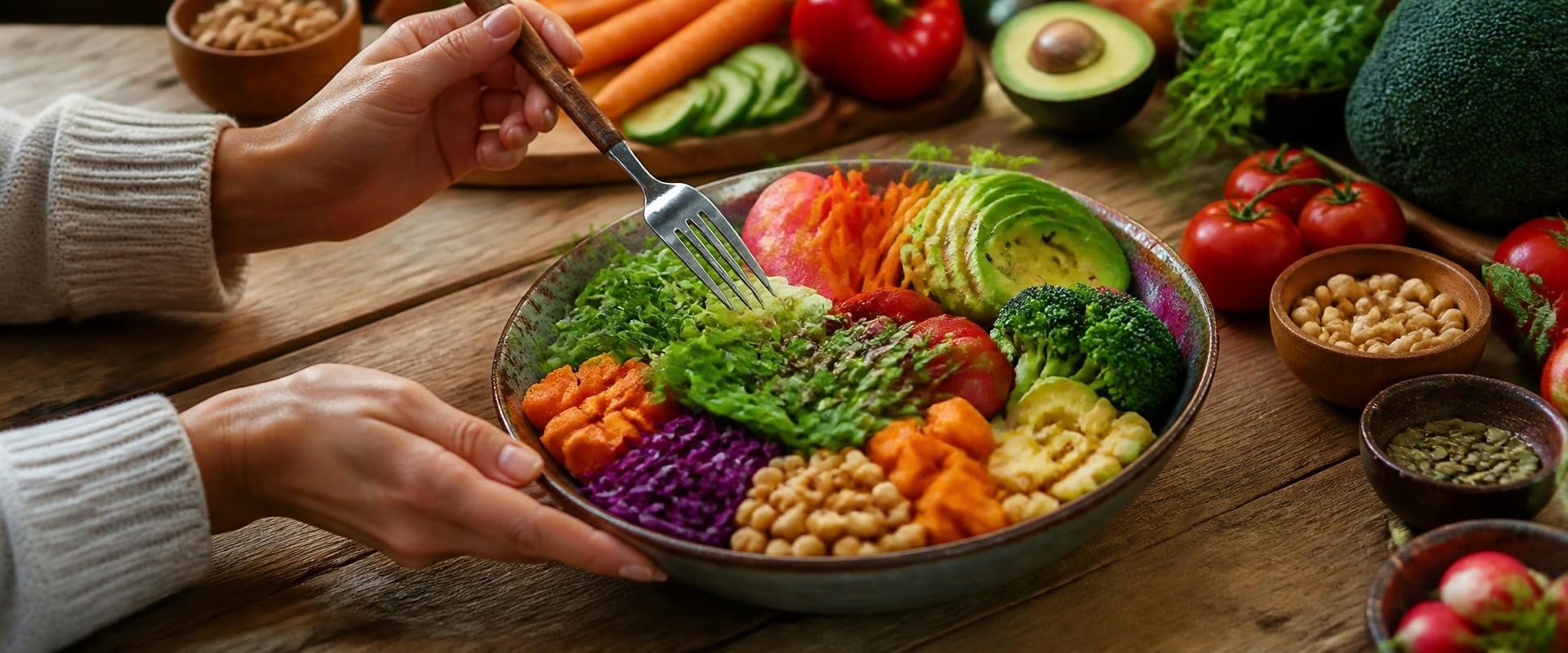
and vegetables are packed with essential vitamins, minerals, and antioxidants, which play a crucial role in protecting the body from cancer. Antioxidants help neutralize free radicals that can damage cells and lead to cancer development. For example, foods high in vitamin C, such as oranges and strawberries, as well as those rich in vitamin E, like almonds and spinach, can contribute to cellular health. Specific foods have been identified for their potential cancer-fighting properties.Cruciferous vegetables, including broccoli, cauliflower, and Brussels sprouts, contain compounds like sulforaphane that may help to detoxify carcinogens and inhibit tumor growth. Similarly, tomatoes are an excellent source of lycopene, an antioxidant linked to a reduced risk of prostate cancer. Moreover, berries such as blueberries and raspberries are not only delicious but also packed with phytonutrients that can reduce inflammation and oxidative stress in the body. Incorporating a variety of colorful fruits and vegetables into meals ensures a broad spectrum of nutrients that work synergistically to promote health. In summary, embracing a plant-based diet rich in fruits and vegetables is a powerful strategy for reducing cancer risk. By making simple adjustments to your meals and snacks, you can harness the protective benefits of these foods and contribute positively to your long-term health.
Healthy Fats: The Good vs.
The BadHealthy fats play a crucial role in a well-balanced diet, contributing to overall health and potentially reducing the risk of cancer. These fats are essential for various bodily functions, including hormone production, nutrient absorption, and cellular health. Incorporating sources of healthy fats into your diet can lead to numerous health benefits. Some of the best sources of healthy fats include avocados, nuts, seeds, and olive oil. Avocados are rich in monounsaturated fats, which have been associated with lower inflammation and improved heart health.
Nuts and seeds, such as walnuts and flaxseeds, provide not only healthy fats but also fiber and antioxidants that support the body’s defense against cancer. Olive oil, especially extra virgin olive oil, is another excellent source of monounsaturated fats and contains compounds that may have anti-cancer properties. While it is important to include healthy fats in your diet, it is equally crucial to limit unhealthy fats. Trans fats and excessive saturated fats can increase inflammation and contribute to various health issues, including cancer. Foods high in trans fats include processed snacks, baked goods, and margarine.
Saturated fats are primarily found in fatty cuts of meat, full-fat dairy products, and certain oils like palm oil. Reducing the intake of these unhealthy fats can help improve overall health and lower cancer risk. In summary, prioritizing healthy fats while minimizing unhealthy fats is a key dietary recommendation for those looking to reduce their cancer risk. By making informed choices about fat sources, individuals can foster a healthier lifestyle that supports cancer prevention.
Protein Choices Matter
The choice of protein sources in our diet can significantly influence cancer risk. Recent studies suggest that red and processed meats are associated with an increased risk of several types of cancer, including colorectal and stomach cancers.The World Health Organization (WHO) has classified processed meats as a Group 1 carcinogen, meaning there is sufficient evidence that it causes cancer in humans. On the other hand, plant-based proteins, such as legumes, nuts, seeds, and whole grains, have been linked to a lower cancer risk due to their high fiber content and rich array of antioxidants. For instance, a comprehensive analysis published in the journal JAMA Internal Medicine found that individuals who consume higher amounts of red and processed meats have a 20-30% greater risk of developing colorectal cancer compared to those who favor plant-based protein sources. In contrast, diets rich in plant proteins are often accompanied by lower levels of saturated fats and higher levels of beneficial nutrients, which contribute to overall health and may help mitigate cancer risk. Furthermore, incorporating more plant-based proteins into one’s diet can also promote a healthier weight, which is another crucial factor in cancer prevention. Obesity is a known risk factor for various cancers, so opting for protein sources like beans, lentils, and quinoa can help maintain a healthy body weight while reducing cancer risk. In conclusion, making informed choices about protein sources can play a pivotal role in reducing the risk of cancer.
By prioritizing plant-based proteins over red and processed meats, individuals can benefit from improved health outcomes and potentially lower their cancer risk.
Practical Tips for Implementation
Incorporating dietary recommendations to reduce cancer risk into your daily routine can seem daunting, but with a few simple adjustments, you can make significant strides without feeling overwhelmed. Here are some practical tips to help you get started:1.Start Small: Instead of overhauling your entire diet at once, begin by making one small change each week. For example, you might start by adding an extra serving of vegetables to your meals or replacing sugary snacks with fruits.2.Plan Your Meals:
Take time each week to plan your meals. This not only helps you stay organized but also ensures you include a variety of nutrient-rich foods in your diet.Consider using a meal prep day to cook and store healthy meals in advance.
3.Keep Healthy Snacks Handy:
Stock your pantry and fridge with healthy snacks such as nuts, yogurt, or pre-cut veggies. Having these options readily available can prevent the temptation to reach for processed snacks.4.Experiment with Cooking:
Try new recipes that incorporate cancer-fighting ingredients like leafy greens, berries, and whole grains. Cooking at home allows you to control the ingredients and portion sizes while discovering new flavors.5.Stay Hydrated:
Drink plenty of water throughout the day. Sometimes, we mistake hunger for thirst.Keeping hydrated can help regulate appetite and improve overall health.
6.Mindful Eating:
Practice mindful eating by taking the time to enjoy your food without distractions. This can help you recognize when you're full and prevent overeating.7.Engage with Others:
Join a cooking class or a nutrition group in your community. Engaging with others who share similar goals can provide motivation and support as you make dietary changes. By implementing these actionable tips, you can gradually shift your eating habits towards those that help reduce cancer risk while maintaining a balanced lifestyle. Remember, every small step counts!In conclusion, adopting a diet rich in plant-based foods, whole grains, and healthy fats can significantly contribute to reducing cancer risk.The article has highlighted that making informed dietary choices, such as opting for high-quality protein sources and being mindful of alcohol and sugar intake, plays a crucial role in overall health and cancer prevention. The statistics shared emphasize the profound impact that diet can have on cancer incidence, underscoring the importance of these dietary recommendations. It is essential for individuals to take proactive steps towards their health by integrating these dietary strategies into their daily lives. We encourage readers to consult with healthcare professionals for personalized advice tailored to their unique needs and circumstances. Staying informed about ongoing research in the field of nutrition and cancer prevention will further empower individuals to make choices that promote their long-term well-being.