
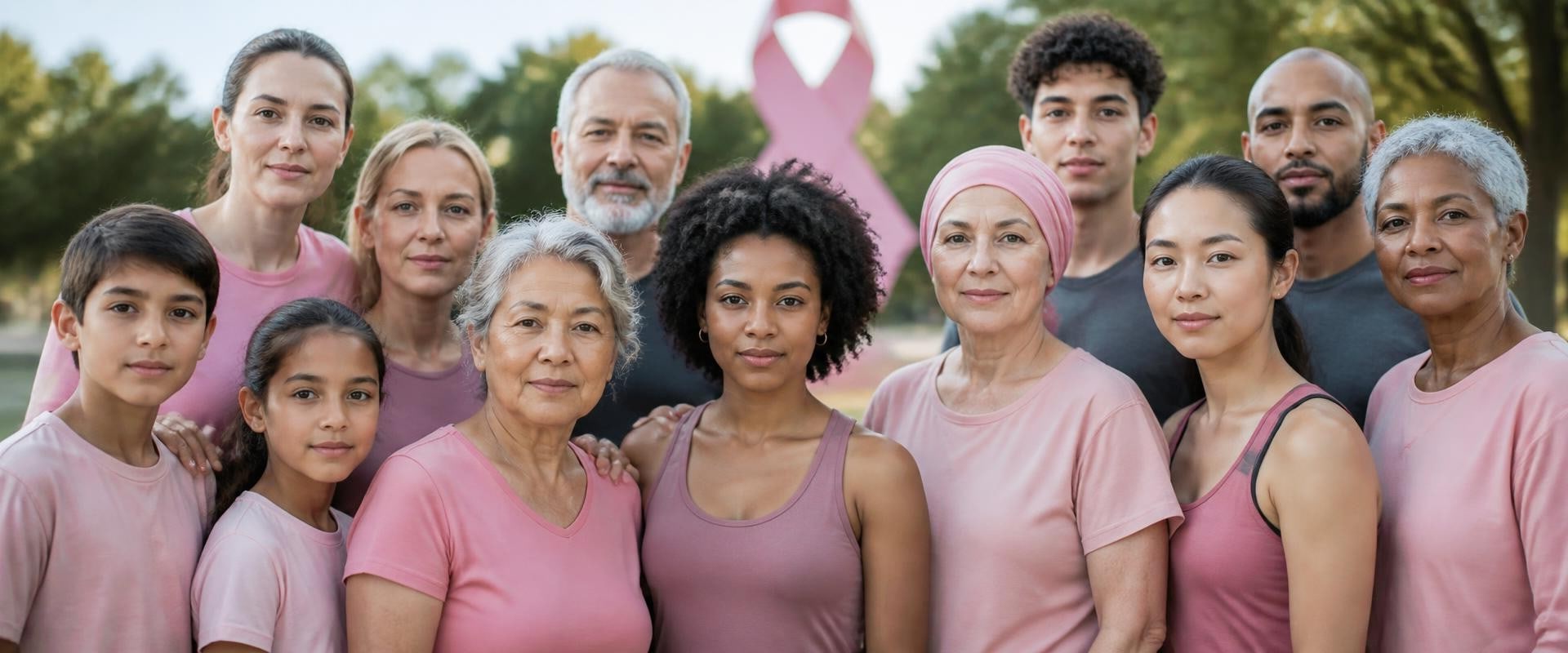
Cancer remains one of the most pressing health challenges of our time, affecting millions of lives globally. Understanding the patterns of Cancer incidence by demographicsCancer incidence by demographics is crucial for tailoring effective prevention strategies and improving patient outcomes. With varying rates across different age groups, genders, ethnic backgrounds, and geographic locations, cancer does not discriminate; its impact is felt across all walks of life. In this article, we will delve into the complexities of cancer incidence statistics, examining how these rates differ among various demographics.
By analyzing these trends, we can better grasp the underlying factors that contribute to the disparities in cancer prevalence. This knowledge is not just academic; it has real-world implications for public health initiatives, resource allocation, and community support systems. Join us as we explore the intricate landscape of cancer statistics and gain insights that can empower individuals and healthcare providers alike. Whether you are a healthcare professional, a researcher, or simply someone looking to understand more about this critical issue, our comprehensive examination promises to shed light on how cancer affects diverse populations. Understanding By analyzing these trends, we can better grasp the underlying factors that contribute to the disparities in cancer prevalence. This knowledge is not just academic; it has real-world implications for public health initiatives, resource allocation, and community support systems. Join us as we explore the intricate landscape of cancer statistics and gain insights that can empower individuals and healthcare providers alike. Whether you are a healthcare professional, a researcher, or simply someone looking to understand more about this critical issue, our comprehensive examination promises to shed light on how cancer affects diverse populations. Understanding cancer incidence across various demographics is crucial for multiple stakeholders, including patients, healthcare providers, and researchers. By examining how different demographic factors influence cancer risk and outcomes, we can better tailor prevention strategies, treatment plans, and resource allocation.
This analysis not only informs public health policies but also enhances patient education and awareness. Age is one of the most significant factors affecting cancer incidence rates. As individuals age, their risk of developing many types of cancer increases. For instance, data from the American Cancer Society indicates that approximately 60% of all cancers occur in individuals aged 65 and older. Specific cancers, such as prostate cancer and colorectal cancer, show particularly steep increases in incidence rates among older populations.
In fact, the median age at diagnosis for prostate cancer is around 66 years, underscoring the importance of age as a critical demographic factor. Gender differences also play a substantial role in cancer incidence. For example, breast cancer is the most commonly diagnosed cancer among women, with an estimated 1 in 8 women being diagnosed in their lifetime. Conversely, prostate cancer is the most prevalent among men, with about 1 in 8 men receiving a diagnosis during their lifetime. These stark differences highlight the necessity of understanding gender-specific risks and screening recommendations for effective early detection and treatment. Ethnic variations in cancer rates present another layer of complexity in understanding overall incidence trends.
Certain populations may exhibit higher rates of specific cancers due to genetic predispositions, environmental factors, or socioeconomic disparities. For example, African American men have a higher incidence rate of prostate cancer compared to white men; the rate is about 60% higher. Similarly, Hispanic women are at increased risk for cervical cancer, largely attributed to lower screening rates within this demographic group. Such disparities necessitate targeted interventions to address these inequities. Geographical disparities further complicate the landscape of cancer incidence.
Research indicates that certain regions may experience significantly higher rates of specific cancers due to various factors including lifestyle choices, access to healthcare, and environmental exposures. For instance, lung cancer rates are notably higher in areas with prevalent smoking habits or industrial pollutants. On the other hand, countries with comprehensive public health initiatives and screening programs often report lower incidence rates for preventable cancers. Recent advancements in research have begun to address these demographic trends more effectively. Ongoing clinical trials are focusing on populations that have historically been underrepresented in cancer research, aiming to develop targeted therapies that consider genetic background and environmental exposures unique to those groups.
These efforts are crucial for reducing disparities in treatment outcomes and improving overall survival rates. However, it is essential to approach the interpretation of demographic data on cancer incidence with caution. While statistics provide valuable insights into trends and patterns, they may not capture the full picture due to confounding factors such as lifestyle choices, access to healthcare, and individual genetic variability. It is vital for researchers to consider these complexities when analyzing data to avoid oversimplifications that could lead to ineffective public health initiatives. In conclusion, understanding cancer incidence through the lens of various demographic factors is vital for enhancing healthcare strategies and improving outcomes for diverse populations. By recognizing how age, gender, ethnicity, and geography influence cancer risk and prevalence, we can develop more effective prevention and treatment programs tailored to specific needs.
Recent Advancements in Cancer Research
In the field of oncology, recent advancements have significantly transformed our understanding and treatment of cancer.These advancements are crucial, especially when examining cancer incidence by demographics, as they allow for more tailored approaches to care based on specific population needs. Ongoing clinical trials are at the forefront of these advancements. Many trials are designed to assess how different demographic factors, such as age, gender, ethnicity, and socioeconomic status, can affect the efficacy of various treatments. For instance, researchers are investigating how treatment responses vary among different racial and ethnic groups, aiming to identify any disparities that may exist. This knowledge is vital for developing personalized treatment plans that cater to the unique characteristics of diverse patient populations. Moreover, new treatment methods are emerging that consider these demographic factors.
For example, some therapies are being tailored specifically for older patients who may have different biological responses or comorbidities compared to younger patients. Immunotherapy and targeted therapies are being adapted to enhance effectiveness across various demographics, ensuring that all patients have access to cutting-edge treatment options. In summary, the ongoing research and clinical trials focused on cancer incidence by demographics are paving the way for more effective and equitable cancer care. By understanding how demographics influence cancer risk and treatment outcomes, healthcare professionals can provide better support for patients while researchers can work towards innovative solutions that address these disparities.
Geographical Variations in Cancer Incidence
Understanding cancer incidence requires a close examination of how rates differ across various regions and countries. These geographical variations can reveal crucial insights into the underlying factors that contribute to cancer risk, such as environmental exposures, lifestyle choices, and access to healthcare services. For instance, studies have shown that certain types of cancers, such as lung cancer, exhibit significantly higher rates in regions with high levels of air pollution, while others, like skin cancer, are more prevalent in areas with high UV radiation exposure.This highlights the importance of considering both environmental factors and demographic characteristics when analyzing cancer statistics. Moreover, socioeconomic status often plays a critical role in cancer incidence. Regions with lower income levels may experience higher rates of preventable cancers due to limited access to healthcare resources, education, and preventive measures. Conversely, wealthier areas may have more comprehensive screening programs and better treatment options, which can lead to lower incidence rates. Cultural factors also contribute to geographical disparities in cancer rates. In some cultures, traditional practices or dietary habits may influence the prevalence of certain cancers.
For example, regions with diets high in processed foods may see increased rates of colorectal cancer, while those with diets rich in fruits and vegetables may report lower incidence. In summary, the geographical variations in cancer incidence underscore the multifaceted nature of this disease. By analyzing these differences, healthcare professionals and researchers can develop targeted strategies for prevention and intervention tailored to specific populations.
Age as a Factor in Cancer Incidence
Age is one of the most significant demographic factors influencing cancer incidence. As individuals age, their risk of developing various types of cancer increases due to a combination of genetic, environmental, and lifestyle factors that accumulate over time. Understanding the relationship between age and cancer incidence is crucial for effective prevention and treatment strategies. Statistics indicate that cancer risk escalates dramatically with advancing age.For instance, according to data from the National Cancer Institute, approximately 77% of all cancers are diagnosed in individuals aged 55 and older. This trend highlights the importance of regular screenings and awareness among older populations. Specifically, certain types of cancers exhibit distinct age-related patterns. For example, breast cancer is most commonly diagnosed in women aged 55 to 64, whereas prostate cancer is predominantly found in men aged 65 and older. Additionally, the incidence of colorectal cancer increases significantly after the age of 50, making it essential for this demographic to engage in appropriate screening measures. Furthermore, childhood cancers present a unique scenario, as they tend to be less common but can occur at a young age.
The most frequently diagnosed cancers in children include leukemia and brain tumors. While these cancers are rare compared to adult cancers, their implications for affected families and healthcare systems are profound. In summary, age is a critical factor in understanding cancer incidence. The statistics clearly demonstrate that as people grow older, their likelihood of being diagnosed with cancer rises significantly. This information serves as a vital resource for patients, caregivers, healthcare professionals, and researchers striving to mitigate the impact of cancer across different age groups.
Ethnic and Racial Disparities
Understanding the ethnic and racial disparities in cancer incidence is crucial for developing targeted prevention and treatment strategies.Research shows that different ethnic groups experience varying incidence rates for specific cancers, which can be attributed to a combination of genetic, environmental, and socio-economic factors. For instance, African Americans have higher rates of prostate cancer compared to their white counterparts, with a significantly increased risk of mortality associated with the disease. This disparity is often linked to factors such as access to healthcare, differences in screening practices, and underlying health conditions. On the other hand, Hispanic populations tend to have lower overall cancer incidence rates but exhibit higher rates of certain cancers, such as cervical cancer. This highlights the importance of culturally tailored screening and prevention programs that address specific risks within this demographic. Moreover, Asian Americans present a unique case; while they generally show lower cancer incidence rates compared to other racial groups, certain subgroups, like Vietnamese and Korean Americans, have higher rates of liver cancer. This variation underscores the need for disaggregated data to understand the nuanced experiences within broader ethnic categories. In summary, the disparities in cancer incidence among different ethnic groups illustrate the complex interplay of biological and socio-environmental factors.
Acknowledging these disparities is essential for improving health equity and ensuring that all patients receive appropriate care based on their specific demographic backgrounds.
Gender Differences in Cancer Rates
Cancer incidence exhibits significant variation between males and females, influenced by a combination of biological, behavioral, and environmental factors. Understanding these differences is crucial for tailoring prevention and treatment strategies. For instance, lung cancer rates have historically been higher in males due to higher smoking prevalence; however, recent trends show an alarming increase in lung cancer among females, particularly in younger populations. This shift underscores the need for targeted public health initiatives that address changing smoking patterns. Another notable example is breast cancer, which predominantly affects females, with incidence rates significantly higher than those for males. While male breast cancer does occur, it is relatively rare, accounting for less than 1% of all breast cancer cases.This disparity highlights the importance of gender-specific screening and awareness programs. Additionally, the incidence of prostate cancer is a stark contrast to that of breast cancer, as it exclusively affects males. Statistics indicate that 1 in 8 men will be diagnosed with prostate cancer during their lifetime, making it one of the most common cancers in men. The understanding of risk factors associated with prostate cancer, including age and family history, is essential for effective management and early detection. Moreover, certain cancers like colorectal cancer show varying incidence rates between genders as well. Historically, men have had higher rates compared to women; however, recent data suggests that this gap may be narrowing as lifestyle factors evolve. In conclusion, recognizing and analyzing gender differences in cancer rates is vital for developing effective prevention strategies and ensuring equitable healthcare delivery.
By tailoring approaches to address these disparities, we can improve outcomes for all patients affected by cancer. In conclusion, understanding Cancer incidence by demographics is crucial for comprehending how various factors such as age, gender, ethnicity, and geography influence cancer risk and outcomes. The disparities highlighted throughout this article demonstrate the need for targeted interventions and tailored approaches in cancer prevention and treatment. As we have discussed, age plays a significant role in cancer incidence, with certain age groups being more susceptible to specific types of cancer. Additionally, gender differences reveal unique patterns that necessitate gender-sensitive strategies in healthcare. Furthermore, ethnic and racial disparities illustrate the importance of acknowledging cultural and socioeconomic factors that impact access to care and treatment outcomes. Geographical variations also underscore the necessity for localized public health strategies and resource allocation to address these disparities effectively.
With recent advancements in cancer research, it is essential for patients, caregivers, healthcare professionals, and researchers to remain informed about ongoing studies and emerging treatment options that could significantly impact demographic groups differently. We encourage our readers to engage with available resources and support networks tailored to different demographics. Awareness campaigns can play a pivotal role in educating communities about cancer risks and promoting early detection. By staying informed and proactive, we can collectively work towards reducing cancer incidence and improving outcomes across all demographics.